
Maximize Your HVAC System’s Lifespan: Tips from HVAC Contractors
Summary:
Your HVAC system is an important fixture that makes your home comfortable. Therefore, it is essential that it has a long lifespan and can operate optimally for a long time. To ensure HVAC longevity, homeowners must maintain a regular maintenance schedule.
Additionally, essential HVAC components like the air conditioner and heater must be given priority repair status to ensure your home’s temperature is always comfortable. Another aspect of prolonging the lifespan of your system is ensuring it is primed for seasonal changes.
You also reduce wear and tear by increasing energy efficiency.
Table of Contents
HVAC longevity is a concern for all homeowners, but do you know that you can maximize the lifespan of your system just by scheduling regular maintenance with an HVAC contractor?
Klondike Air offers exclusive tips on extending the life of your heating, ventilation, and air conditioning system while minimizing costs. We also provide a free whole-home health, safety, and comfort inspection for first-time callers and have our Gold Club for ongoing maintenance to ensure your system is always operating at full capacity.
This article breaks down HVAC maintenance, including heating and AC repair, essentials for regular maintenance, seasonal preparations for your ventilation systems, and how to ensure energy efficiency.
Let’s begin.
Contact Us For Maintenance Plan
The Importance of HVAC System Longevity
A long-lasting HVAC system is essential for many reasons, the biggest of which is cost savings. The average HVAC system can last 10 to 15 years with regular maintenance. During this period, you won’t have to spend much on replacing specific components, repairs, or outright replacement of the entire system.
The following are the importance of HVAC longevity:
- Cost saving:using your HVAC system for a long time helps you save on repair, replacements, and energy bills.
- Comfort:a better-maintained system translates into more comfortable temperature regulation and comfort in your home. A long-lasting HVAC system will also give you peace of mind against sudden breakdowns.
- Enhanced energy efficiency:HVAC system longevity ensures better energy optimization and efficiency. If you use a smart thermostat, the system already knows your preferences and can better regulate temperature while minimizing energy bills.
- Air quality:When your HVAC system is long-lived, you can be assured of the quality of air delivered to your home. Extended use easily translates into trust.
Regular Maintenance: Essential for Prolonging Your HVAC System’s Lifespan
Like every other electrical and mechanical system, your HVAC system requires regular maintenance to function optimally and have a long lifespan. The following are tips to maximize your HVAC system’s lifespan:
1. Cleaning and Changing the Air Filters
Air filters are essential to the workings of your HVAC system. However, due to their location, they can be slowed down by dust, debris, pet hair, and more. When this happens, your HVAC system will require more power to work properly, which will increase energy bills and cause wear and tear, which may later lead to major technical problems.
While cleaning the air filters is relatively easy, you need the services of a professional HVAC contractor to change the filters and ensure they’re working properly. While changing the filters, the technician will inspect other areas and discover minor issues before they escalate.
2. Cleaning the Coils
The evaporator and condenser coils are critical HVAC components but can quickly accumulate dust and debris, affecting optimal performance.
If your coils are allowed to accumulate dust and dirt with proper maintenance, it might lead to costly repairs or complete replacement of the component. You can prevent this by employing an HVAC professional to carry out regular maintenance.
3. Check Refrigerant Levels
Refrigerant levels play a crucial role in the proper performance of your HVAC system. If your refrigerator is low, your HVAC system will work harder and use more energy, increasing energy bills.
Scheduling regular maintenance allows you to top off your refrigerant level before it gets too low. The technician will also check for refrigerant leaks and fix other issues to prevent unnecessary wear and tear.
4. Inspect Electrical Connections
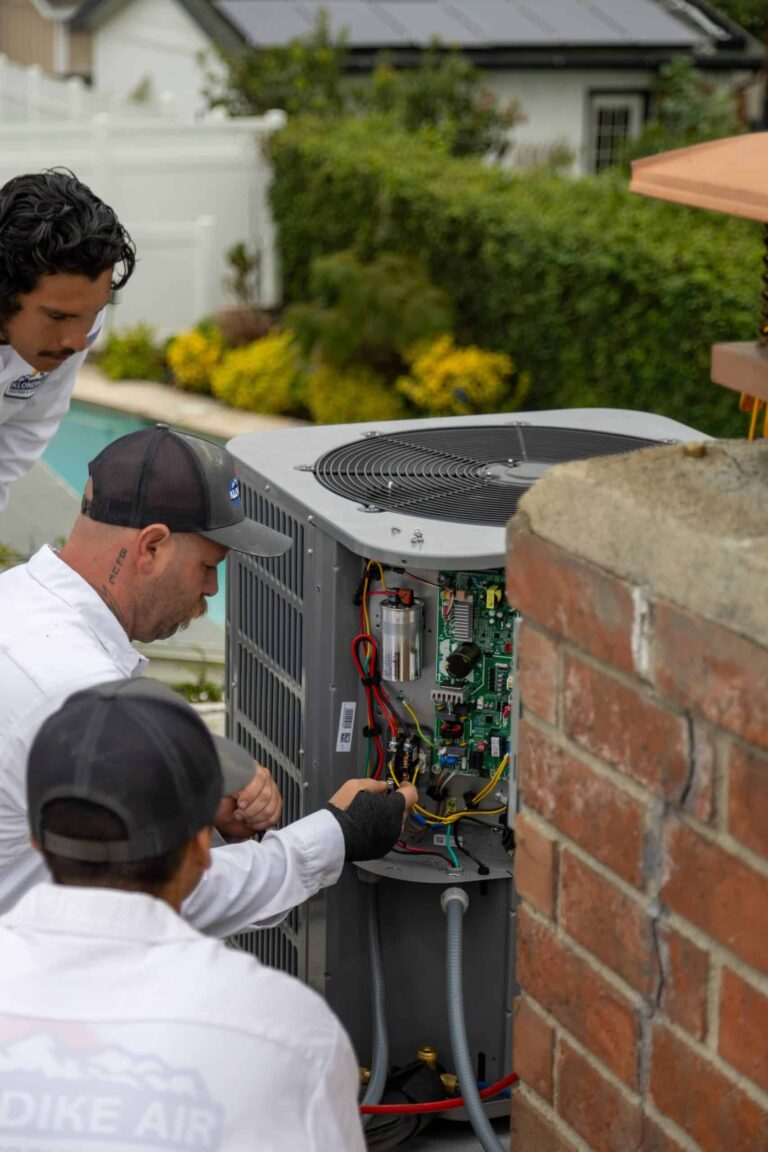
Electrical components should be regularly inspected for loose connections and faulty wiring. Faulty electrical connections can decrease the efficiency of your HVAC system and are also a safety hazard, significantly impacting your HVAC longevity.
You should hire a technician or HVAC contractor for regular electrical maintenance, including checking capacitors, contactors, and relays for signs of wear and tear.
5. Check Thermostat Settings
You should always check your thermostat setting to ensure the calibration is active and your HVAC system is not overworking. Some thermostats offer programmable schedules for increasing energy efficiency, which will also increase the lifespan of your HVAC system.
You should also invest in smart thermostats because they offer remote control and advanced technology functions.
Air Conditioner and Heating Repair: Essential for System Health

Regarding faulty air conditioners and heaters, some homeowners might be tempted to delay repairs, especially if the systems are still operational. However, if the repairs are delayed further, minor issues might become significant problems and affect your system’s health.
Here are some of the reasons why heating and AC repair is essential:
1. Health Implications
One reason to repair faulty air conditioners and heaters is that they optimize home air quality. When you refuse to fix a malfunctioning heater or air conditioner, you risk your home’s air quality.
Dust, mold spores, and pollen will not be adequately filtered, which may aggravate asthma symptoms and other health complications. However, when you ensure repairs are done on time, you’ll not only have quality air in your home but also increase the lifespan of your HVAC system.
2. Preventing Major Electrical and Technical Issues
Failing to repair your air conditioner and heater can exacerbate minor issues, making them unmanageable and needing significant repairs. For instance, failing to clean air filters may cause your air conditioner to stop blowing air or bring dust into your home, necessitating substantial replacements.
Other minor system issues may require a comprehensive overhaul and huge costs.
3. Safety Concerns
Beyond comfort and cost issues, regular maintenance and repairs of your heating and air conditioning systems can help you discover critical safety malfunctions. Issues like poor electrical connections or wiring can be found and fixed on time.
Additionally, heaters powered by natural gas, propane, and fuel oil can pose a significant fire hazard if they are not properly maintained.
4. Energy Efficiency
Your heating and air conditioning systems need energy to work efficiently. However, when they are not properly maintained, they consume more energy, which increases your costs. Components that can reduce energy efficiency include dirty air filters and coils, low refrigerants, poor insulation, and more.
Seasonal Preparations: Getting Ready for Peak Seasons
As the season changes, your HVAC system must be primed to handle the upcoming weather conditions. Neglecting seasonal preparations can lead to the breakdown of your system, expensive repair bills, or inefficient energy usage. The following tips will help you get your Orange County home ready for the coming season:
1. Hire a HVAC Professional Services Company
You should always get a professional HVAC contractor to inspect your system settings and calibration. A certified technician will review the entire system extensively and fix any issues that arise.
2. Clean or Replace Air Filters
Dirty or clogged air filters will affect the quality of air coming through your home and the efficiency of your HVAC unit. For optimal performance, you should either clean or replace your air filters before the start of any season.
3. Adjust Thermostat Settings
To maintain a comfortable temperature in your home, you should constantly adjust your thermostat settings according to the season. You should also consider investing in programmable or smart thermostats, which make it easy for you to adjust the temperature and ensure energy efficiency.
4. Insulate and Seal
Proper insulation and sealing will ensure your home’s temperature stays comfortable. Before the start of the season, you should have a professional HVAC contractor review your home insulation and offer recommendations to prevent heat and cool air from escaping.
5. Check and Clean the Outdoor Unit
The outdoor unit of your HVAC system can quickly accumulate dirt, dust, and debris, affecting its efficiency over time. Excessive accumulation can lead to eventual breakdown. To prevent this, you should regularly check and clear the area around the outdoor unit.
Energy Efficiency: Tips to Reduce Wear and Tear
The most minor wear and tear occurs every time you turn on your HVAC system. And when the little problems accumulate, your system consumes more energy to operate optimally. However, you can improve energy efficiency and increase your HVAC longevity with these tips:
1. Use an Appropriately Sized System
The first tip to being energy efficient is ensuring that your HVAC system is fit to handle your home’s needs. If the system is too small or too large, it will consume too much energy and accumulate wear and tear quickly.
So, before choosing an HVAC system for your home, involve your contractor for better options.
2. Explore Other Heating and Cooling Options
Giving your HVAC system a rest is a straightforward way to reduce energy consumption and wear and tear. You should explore alternative options like fans in the summer and extra blankets or a fireplace in the winter.
Exploring other options will increase the lifespan of your HVAC system and help you save on energy bills.
3. Use a Smart Thermostat
A smart thermostat will minimize energy use while ensuring a comfortable temperature in your home. It is equipped with intelligent learning and remote control features, making it easy to achieve energy efficiency.
4. Inspect Your Ducts
Ducts are the method for cool and hot air reaching your home. However, when these ducts are clogged or dirty, they will resist performing their function, which will force your HVAC system to work harder and consume more energy. If this dirt accumulates, the HVAC system will eventually stop working until repairs are made.
5. Regular Maintenance
Regular maintenance is a comprehensive servicing of your HVAC system. With regular maintenance schedules, minor issues can be discovered and fixed before they become significant problems. This will reduce wear and tear and also increase your HVAC longevity.
Call the Professionals for Help
The plan to maximize the lifespan of your HVAC system starts with a comprehensive review of your system and regular maintenance. While homeowners can easily carry out some of this maintenance, other aspects require professional handling.
Don’t wait for your HVAC system to break down before calling a professional for help. Klondike Air operates in Orange County and larger California. Contact us now for HVAC repairs and maintenance.
Edit Content
"*" indicates required fields
Conclusion
With proper maintenance, your HVAC system can last more than ten years, giving you ample time to save up for a better upgrade. However, you need a professional HVAC contractor to ensure minor fixes are handled appropriately to guarantee HVAC longevity.
Klondike Air is certified across all brands and has over 30 years of experience helping homeowners in Orange County maximize the lifespan of the HVAC system. Contact Klondike Air now for affordable repairs.
FAQs
How can I extend the life of my HVAC system?
You can extend the life of your HVAC system by scheduling regular maintenance to address minor issues before they become major problems.
What improvements can you suggest to improve the HVAC system?
To improve your HVAC system, use a smart thermostat and regularly clean your air filters.
How can I maximize my HVAC efficiency?
Sealing and insulating your home can maximize the efficiency of your HVAC system. This ensures that cool air and heat will not escape, forcing your system to work harder.
What is the longevity of an HVAC system?
The average HVAC system can last up to 10 to 15 years with regular maintenance.
How can I make my HVAC more sustainable?
To make your HVAC more sustainable, use smart thermostats, seal and insulate your home, and follow your contractor’s recommendations.