
Which Common AC Problems Can You Avoid Through AC Maintenance?
Summary:
Most common AC problems can be easily fixed with a little preventive maintenance. This article highlights the common issues with air conditioners and how to fix them.
Table of Contents
Introduction
Air conditioning is essential to home comfort in the summer. But when your AC unit starts blowing hot air, making strange noises, or worse, breaks down completely, your home quickly turns into an oven. The good news is that regular AC maintenance can prevent the most common AC problems.
By staying on top of simple tasks like filter changes, coil cleanings, and refrigerant checks, you can avoid the hassle, expense, and discomfort of a malfunctioning AC system. This article will explore the most common AC problems that can be avoided through maintenance and provide a comprehensive guide to keeping your AC running smoothly, efficiently, and reliably all season long.
Let’s begin.
Contact Us for Preventive AC Care
Common AC Problems Prevented by Regular Maintenance
The following are some common AC problems that can be prevented by regular maintenance:
1. Poor Cooling Performance
Your air conditioner not cooling properly can be a very frustrating experience, but rest assured, this is a typical AC problem and sometimes easily solved. Poor cooling performance could be a result of the following:
- Clogged air filters: If your AC is not cooling very well, check your filters for signs of dirt, dust, debris, and blockage. If they are clogged, you can replace them with new ones or deep clean them. A clogged air filter makes it hard for air to circulate and puts unnecessary strain on your cooling unit.
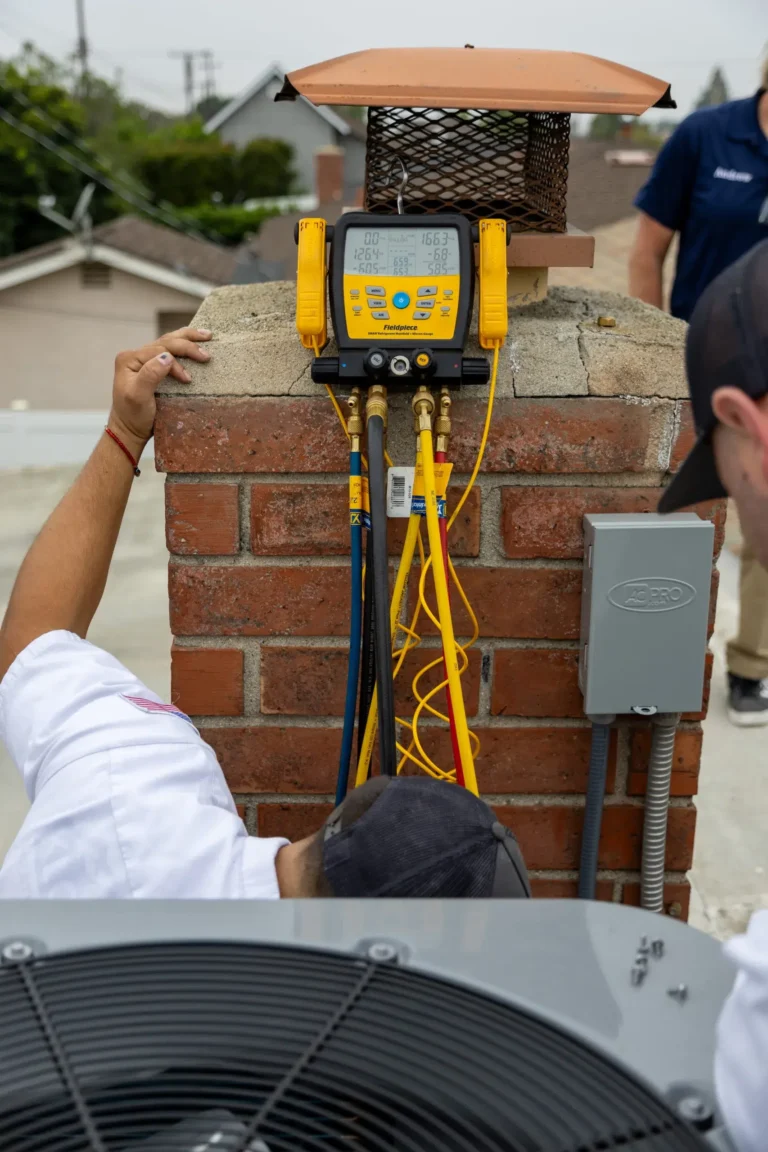
- Low refrigerant levels: If your AC is not cooling correctly, it could be due to low refrigerant levels. The best way to ensure proper refrigerant levels is to have an HVAC specialist inspect your unit.
- Damaged compressor: Another cause of poor cooling performance is a damaged compressor. Unfortunately, you must replace your entire AC unit if your compressor is damaged.
2. Frozen Evaporator Coils
The evaporator coils are crucial components of your air conditioning unit. They discharge heat from your home in the summer and help regulate home temperature. If they get frozen, they won’t be able to regulate the temperature, and in severe cases, the AC might stop working entirely.
Frozen coils can be connected to:
- Dirty air filters: A dirty air filter makes your AC work harder than usual, leading to ice buildup on its coils.
- Low refrigerant levels: When the refrigerant in your air conditioner gets too low, it can cause the coils to freeze.
If your evaporator coils are frozen, a simple solution is to turn off the AC and let the ice melt. This process can take up to 24 hours, but you can accelerate it by setting your AC to “fan only.” This blows warm air over the coils. It is best to have a professional handle other causes of frozen coils, like refrigerant leaks, clogged drain lines, and dirty coils.
3. Thermostat Malfunctions
Your thermostat directs your cooling, when to start, and how long to run. If your thermostat settings are wrong, your air conditioner will not function optimally, making your home uncomfortable.
Some of the reasons for thermostat malfunctions are:
- Batteries: Check to ensure that your thermostat batteries are still good. If they are not, changing them should get the device working again.
- Reset thermostat: Try resetting it by turning it off and back on after 30 seconds.
- Wiring: If the batteries are not the problem, there could be an issue with the wiring. Disconnect your AC from the power supply and check for loose, exposed, or damaged wires.
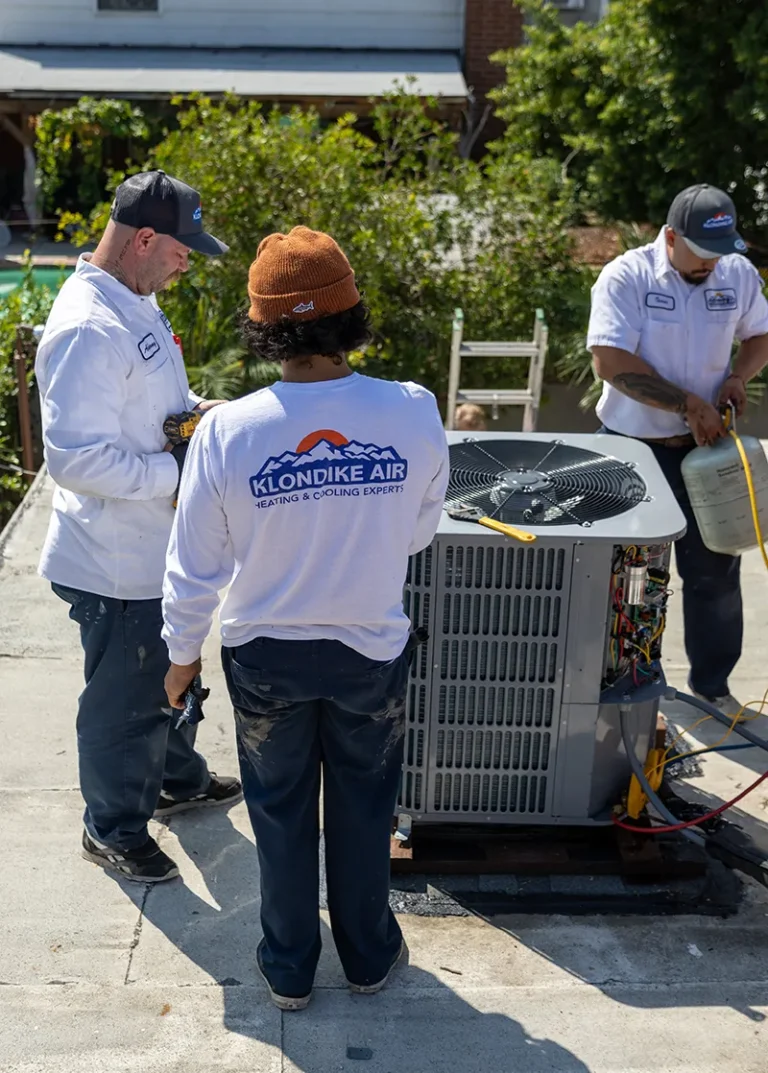
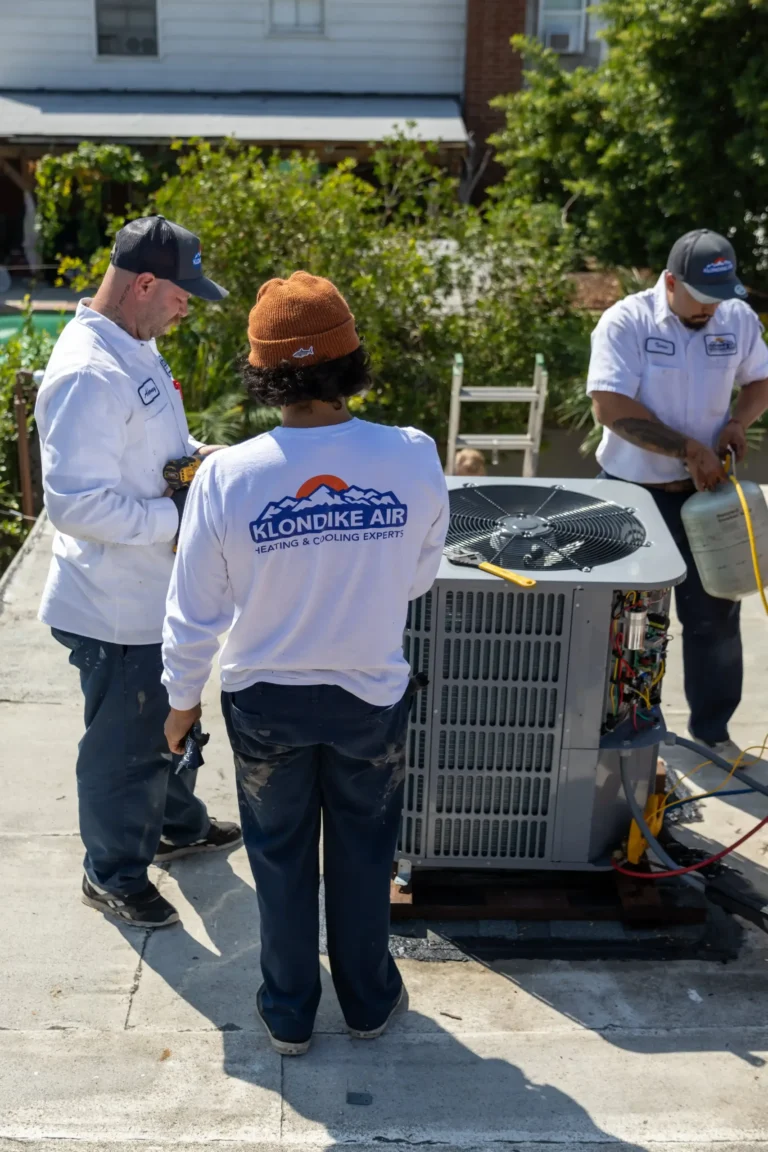
4. Dirty or Blocked Condenser Coils
The condenser unit is responsible for dissipating heat from the refrigerant by circulating air over the coils. When your condenser coils are blocked or dirty, they will affect your air conditioning and can lead to costly repairs.
Some reasons for dirty or blocked condenser coils are:
- Fan not working: If the fan is not working correctly, the condenser cannot remove warm air from your home. This can cause a buildup of dust, debris, and dirt on the coils. You can fix this by removing substances that may stop the fans from working correctly. Compressed air is the best way to remove dust and dirt from condenser coils.
- Dirty coils: If the coils are dirty, the condenser unit cannot remove heat from your home. When this happens, the refrigerant will become overloaded and back into the evaporator coils. This can cause many AC problems, including reduced cooling capacity, reduced efficiency, and even total air conditioner breakdown. You can clean the coils by turning off the power to the unit, removing the condenser unit, and cleaning with a brush attached to a vacuum cleaner. Wear protective gear (gloves and eye goggles) when doing this.
5. Wear and Tear on Components
Wear and tear on components is a common issue in air conditioning systems, which can be avoided with regular AC maintenance. Some examples of wear and tear are:
- Clogged air filters: Dirty filters can cause the system to work harder, leading to wear and tear on the fan motor, compressor, and other AC components.
- Worn-out bearings: Bearings in the fan motor and compressor can wear out over time, causing noise, vibration, and eventual breakdown of the AC unit.
- Corroded coils: Corrosion on condenser and evaporator coils can lead to reduced airflow, increased pressure, and compressor failure.
- Leaking refrigerant: Leaks can make your air conditioner work harder, leading to wear and tear on components.
- Poor insulation: Insulation can deteriorate over time, reducing system efficiency and causing temperature fluctuations.
Benefits of Consistent AC Unit Service
The following are the benefits of consistent air conditioner maintenance:
1. Enhanced Performance
When your air conditioner is well-maintained, it will cool your home faster and use less energy. Here are some ways consistent air conditioner maintenance can enhance performance:
- Improved cooling capacity: Regular maintenance ensures your AC unit can handle hot weather and cool your home effectively.
- Faster cooling times: A well-maintained AC unit can cool your home faster, making you feel comfortable sooner.
- Increased airflow: Clean air filters and coils improve airflow, circulating cool air throughout your home more efficiently.
- Better humidity control: Regular service helps your AC unit manage humidity levels, making your home feel more relaxed and comfortable.
2. Cost Savings
Engaging in regular AC maintenance leads to fewer service calls, disruptions, and lower electricity bills. Some ways that you can save costs include:
- Timely resolution of issues: During air conditioning maintenance, your technician will inspect your AC unit and identify potential problems or wear and tear that can lead to breakdown if left unattended. Addressing these issues prevents them from becoming more significant, costly, and disruptive problems. This proactive method also means you spend less on repairs.
- Lower electricity bills: By addressing wear and tear issues in your AC unit, you ensure your system remains efficient and functions optimally. This will prevent it from working harder and using more energy than needed.
- Extended lifespan: A well-maintained air conditioner tends to have a long lifespan. This means you won’t have to replace the component units as frequently or spend significant sums on a total system overhaul.
3. Improved Indoor Air Quality
Regular air conditioner maintenance helps improve indoor air quality. Air conditioners can accumulate dust, dirt, allergens, and mold if not correctly serviced. Here are some ways in which regular AC servicing can lead to better indoor air quality:
- Filter replacement: Replacing or cleaning air filters is one of the most essential AC servicing tasks. Air filters catch airborne particles like pollens, allergens, dust, dirt, etc. Over time, they become less effective due to the accumulation of these particles, leading to contaminants entering your home. Regularly replacing or cleaning your air filters ensures they continue to catch these particles and protect indoor air quality.
- Duct cleaning: The ductwork in your air conditioner delivers conditioned air to your home. Over time, these ducts can accumulate dust, dirt, pollen, and other particles. If they’re not cleaned, they will contribute to poor air quality in your home. Professional duct cleaning will remove these contaminants, improving indoor air performance.
How Often Should You Schedule AC Maintenance?
You should service your air conditioner at least once every year and our Gold Club service is perfect for keeping your equipment in optimal working order. But ideally:
- Before the cooling season: Schedule spring maintenance before the hot weather sets in to ensure your AC is ready for the summer.
- Every 6 months: If you use your AC frequently, consider scheduling maintenance every 6 months to keep it running efficiently. This also coincides nicely with checking your system at the start of winter, when most will switch from using AC to using heat.
- As needed: If you notice any issues or changes in your AC’s performance, schedule maintenance as soon as possible.
Edit Content
"*" indicates required fields
Conclusion
AC problems, at best, can be frustrating and, at their worst, can make your home uncomfortable. However, with some knowledge and skills, you can quickly resolve some of those issues without needing to call the technician and most other AC issues can be resolved with regular maintenance. Contact Klondike Air for efficient HVAC solutions and to keep your whole home safe, comfortable and healthy.
FAQs
How do I know if my AC needs maintenance?
You know your AC needs maintenance when its performance has reduced and it’s using more energy than usual.
Regular air conditioning maintenance will improve your AC’s performance, reduce energy bills, and enhance indoor air quality. It is also a smart financial decision to maintain your AC unit in comparison to buying a new one more frequently.
What is the most common problem with air conditioners?
The most common AC problems are dirty or blocked condensers, poor cooling performance, frozen evaporator coils, thermostat malfunctions, and wear and tear on the system.
What does AC preventive maintenance include?
Preventive maintenance includes calibrating your thermostat, checking for leaks, replacing your air filters, clearing the outside unit, proper insulation, etc.
How often should I service my AC?
You should service your air conditioner at least once every year if not twice.