How Proper Heater Installation Can Help You Save on Utility Bills
Summary:
Your heater is an essential component of your home comfort. However, when the heating system is not well-installed, it can cause significant harm, including poor indoor air quality and increased utility bills. This article explores several ways to improve energy efficiency and save on utility bills.
Table of Contents
Introduction
Homeowners are bracing themselves for the inevitable spike in utility bills as temperature drops and the heating season kicks in. However, what if you can maintain a warm and cozy home temperature while keeping energy costs in check? The way to do that is in heating system installation.
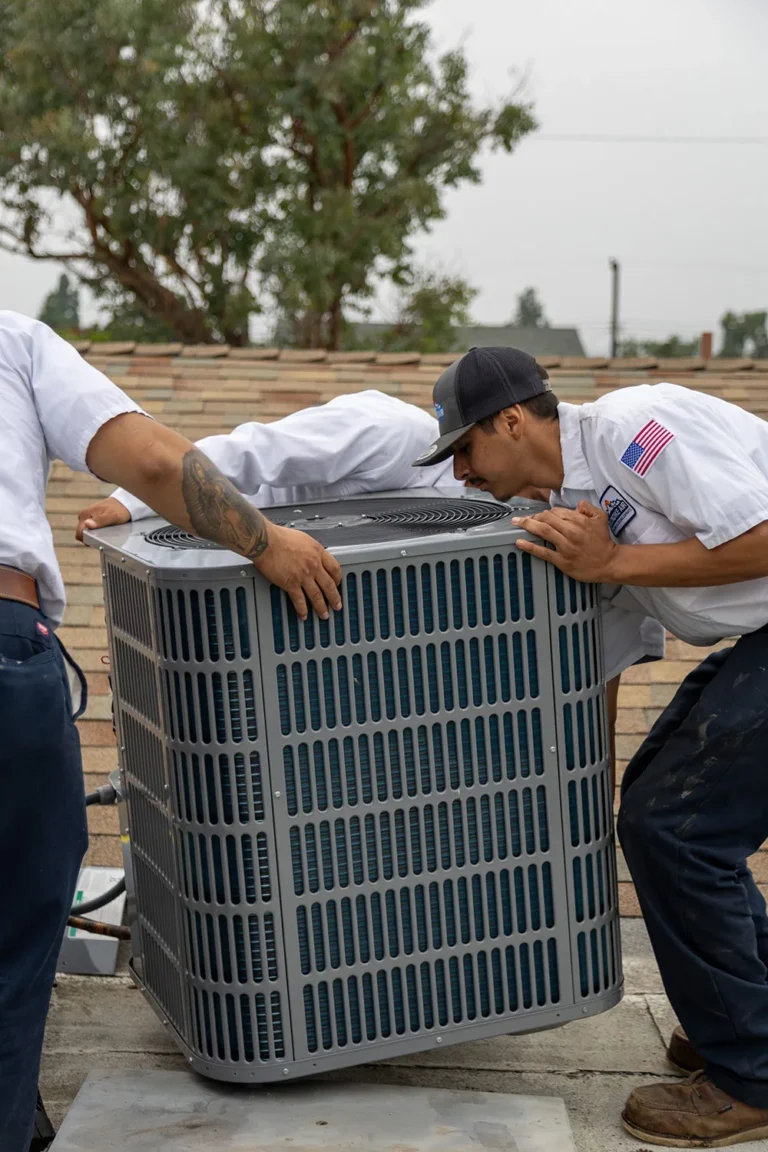
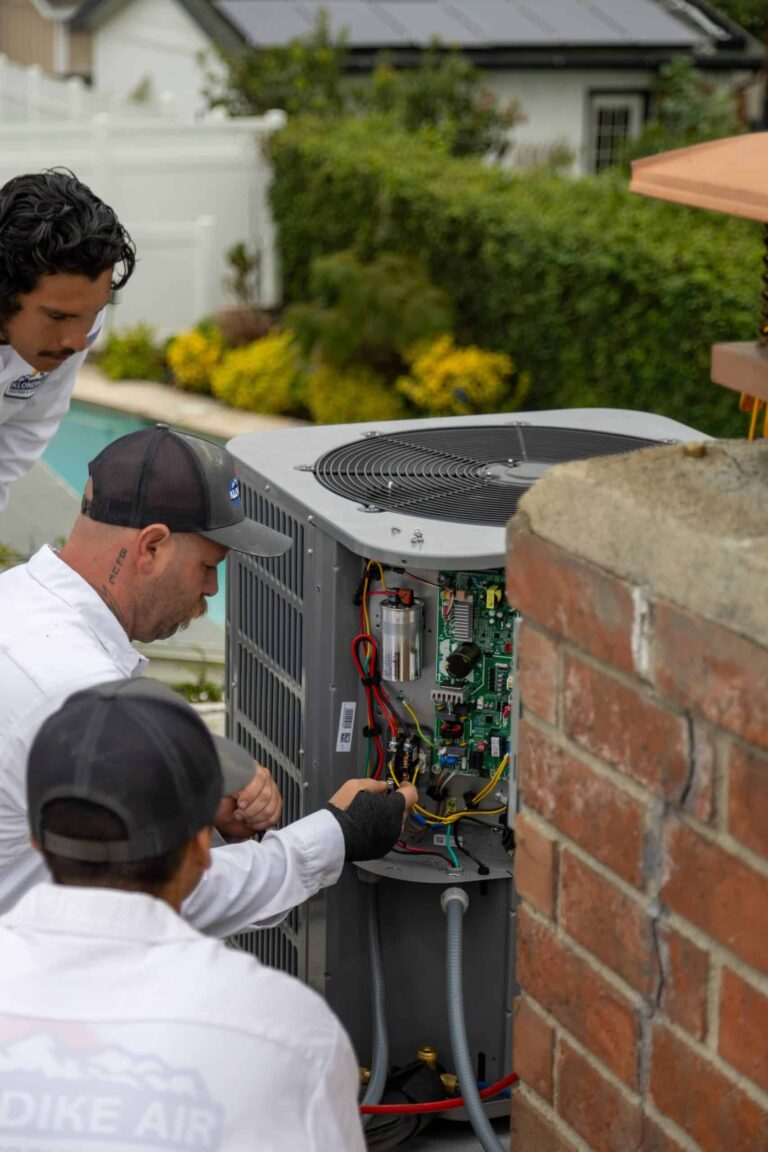
A well-installed heater can significantly impact the performance of your heating system by reducing energy waste and helping you save on energy bills. This article will explore how proper heater installation can help you save on utility bills and stay warm and energy-efficient all winter.
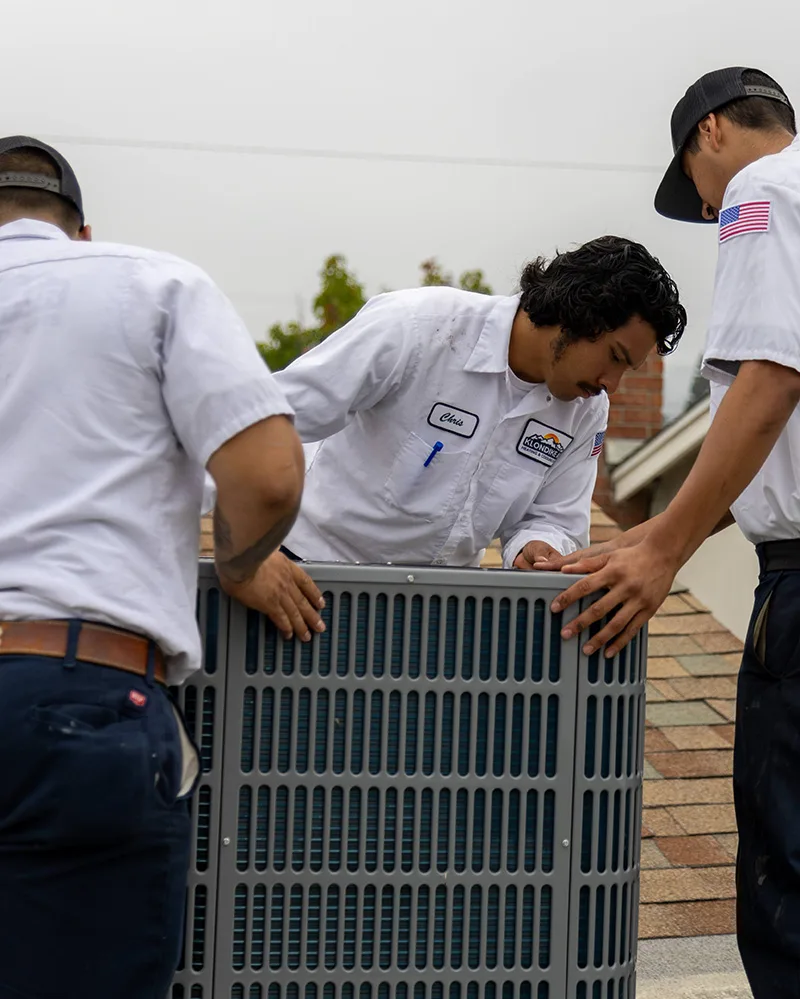
Contact a Professional Heating Contractor
The Role of Proper Heater Installation in Energy Efficiency
1. Optimized Performance
When installed professionally, your heating system will operate efficiently, reducing energy consumption and costs.
2. Reduced Heat Loss
Proper heating installation ensures that all components are in good working order, preventing heat loss through ducts, pipes, and lack of insulation. This reduces energy wastage and bills.
3. Improved Airflow
Correct installation of heaters, such as furnaces or heat pumps, ensures proper airflow, essential for efficient heating performance.
4. Reduced Energy Consumption
A properly installed heater will consume less energy to produce the same heat as a poor one. This will result in lower heating bills, optimized comfort, and better performance.
5. Extended Equipment Life
When your heating system is installed correctly, it will accumulate less wear and tear, requiring fewer repairs and replacements. This will extend the lifespan of your heater and help you save money.
Energy-Efficient Heater Options: What to Consider
There are three main types of heaters:
1. Heat Pumps
Heat pumps are the most efficient heating systems because instead of creating heat, they move it outside your home to displace cool air. A heat pump moves heat from outdoors and removes heat from your home as necessary.
There are two main types of heat pumps available:
- Air Source Pumps: They extract air from outside and distribute it indoors using a refrigerant system. These systems are a great alternative to traditional heating systems; they are also cost-effective and environmentally friendly. Additionally, air source pumps can be combined with solar panels to decrease costs and reduce carbon footprints.
- Ground-Source Pumps: This heating system works similarly to air-source pumps. However, a ground-source pump takes its heat from outside the property. These systems can be powered by natural gas or oil. By circulating a mixture of water, antifreeze, and heat energy through underground pipes, a heating source can efficiently warm or cool your home regardless of the weather conditions.
2. Boilers
Boilers are a reliable and energy-efficient heating option for many homes. This system uses gas or oil to generate hot water or steam, distributed throughout the house by radiators or an underground pipe system. Gas boilers have a lower operating cost than oil boilers, and both are more efficient than forced-air systems.
3. Furnaces
Furnaces burn fuel to produce hot air, which is distributed throughout the home by a network of ducts and vents. This efficient heating method is popular in all homes due to its efficiency and affordability.
Here are some things to consider when choosing energy-efficient heaters for your home:
- The size of your home: The size of your home is essential when choosing a heater. For instance, a bigger home does not necessarily require an oversized heating system. A professional heating contractor can help you understand your options.
- Fuel types: Certain fuel types are more efficient and expensive than others. For instance, oil heaters are less efficient for home heating, while gas-based heaters, while expensive, are more efficient.
- Budget: Highly efficient heaters are a significant investment compared to low-efficient systems. They are highly dependable, durable, and save you money in the long run. You should also consider supplementary costs like operation and maintenance costs.
Benefits of Choosing the Right Size Heater for Your Home
1. Saving on Cost
Choosing the right heater for your home prevents you from spending additional money on maintenance and repair that could occur if you make the wrong heater choice. Saving on costs starts with proper installation, and employing the services of professionals will help you save on utility bills.
2. Reduced Energy Bills
If your heater is the right fit for your space, it can optimize energy consumption and reduce unnecessary maintenance and repair costs, significantly reducing your energy bills.
3. Environmental Impact
Installing the right heating system for your home reduces carbon emissions. This is due to the reduction in carbon emissions.
4. Long-Term Functionality
Installing the right size heater for your home prolongs its lifespan. This is because it prevents the heater from doing unnecessary additional work that will tax it more, thereby reducing its working life.
The Impact of Zoning Systems
Zoning in your home can significantly impact energy efficiency and help you reduce utility bills.
1. Improved Indoor Air Quality
Proper heating system installation can reduce humidity and air circulation by controlling airflow and temperature to improve indoor comfort and warmth.
2. Energy Efficiency and Cost Savings
Zoning can lead to significant cost savings by reducing the workload on your heating system. Instead of heating your entire home to the same temperature, zoning allows you to only configure the areas in use for maximum warmth.
3. Extended Lifespan
Reducing the demand on your heating system means your heater won’t have to work as hard to maintain a consistent temperature throughout your home. This means it will experience less wear and tear, fewer breakdowns, and a longer life for your system.
The Importance of Sealing Ductwork During Heater Installation
Sealing your ducts during heater installation is crucial for several reasons. Some of these are;
1. Healthier Indoor Air
Sealing off ducts ensures healthier indoor air by eliminating pollutants and allergens that could compromise quality and force your system to work harder, increasing energy bills.
2. Comfort
Sealing all ductwork significantly improves your home’s comfort and reduces excessive strain on your heating system. This will ensure its long lifespan and enhanced comfort.
3. Energy Efficiency
With sealed ductwork and sound heating system installation, your heater efficiently consumes energy without carrying a load that would increase energy consumption.
4. Extended Lifespan
Sealed ductworks reduce excessive load on your system, reducing wear and tear. Your heater can be used for longer because it uses energy more efficiently and requires less effort.
Routine Maintenance Post-Installation for Continued Savings
Generally, all heating, ventilation, and air conditioning systems require proper maintenance to work efficiently. Even expertly installed heating systems require routine maintenance to maintain optimal performance. You might also need to upgrade your heating system to keep your unit after installation.
Post-installation routine maintenance helps save money.
You can practice routine maintenance for your heater through the following methods:
- Changing air filters: To prevent your heating system from doing more than necessary, you should regularly check and replace the air filters.
- Heat pump tuning: Your heat pump may need occasional tuning. To ensure routine maintenance, inspect it and schedule a tune-up.
- Regularly check the thermostat: This is to make sure it’s correctly calibrated and functioning correctly.
- Inspection of electrical connections: Regularly inspect your electrical connections for any damage or potential damage to prevent unpleasant emergencies and costly repairs.
Edit Content
"*" indicates required fields
Conclusion
When your heating system installation is done correctly, you will notice an improvement in heating performance, enhanced home comfort, and reduced energy bills. However, because the installation is complex and choosing the right system for your home is difficult, it is always better to consult with home heating experts before making significant heating decisions.
Consider scheduling regular maintenance to maintain energy efficiency and optimal performance. Contact Klondike Air now for assistance with heater installation and reducing your utility bills.
FAQs
The lifespan of heaters varies depending on the type, but it should work for at least 15 years with proper maintenance.
What type of heater should I get?
You should get a heater that works for your home, and that will depend on its size and layout, as well as your budget. The professionals at Klondike Air can help make sure you have the right one for your home.
How long does it take to install a heating system?
Factors like the type and size of the heater will determine how long the installation should take, but it is usually within a day.
What are the potential sources of damage to my heater?
Faulty wiring, incorrect installation, and calibration are factors that could cause damage to your heater.
Why is there noise coming from my heater?
If you hear an unusual sound, it could be due to loose components or a problem with the heat exchanger to name a few possible items. A trusted technician, like the ones at Klondike Air, can help you figure it out.