Extend Your Heater’s Life with Proper Maintenance
Summary:
Proper heater maintenance is essential for efficient heating operation. Learn the importance of regular air conditioning and heating maintenance.
Table of Contents
Introduction
Maintaining a comfortable and friendly home environment, especially in the winter months, can be vital to your family’s well-being. One critical component of achieving this comfort is keeping your heating system well-maintained and running properly.
Without regular air conditioning and heating repair from a reputable firm such as Klondike Air, your heating system may not function optimally, resulting in higher energy expenditures and a shorter lifespan. Addressing possible problems before they become serious can increase your heater’s lifespan and efficiency. But where do you start?
This article explores the importance of regular maintenance and common issues that can be avoided with preventive steps. Whether you’re a homeowner or building manager, this article helps you identify early signs of trouble and when to call the professionals.
Let’s begin.
The Importance of Regular Heater Maintenance
1. Increased Energy Efficiency
One of the most obvious advantages of regular heater maintenance is increased energy efficiency. When your heater is maintained regularly, it runs more efficiently, using less energy to deliver the best possible comfort.
2. Enhanced Safety Measures
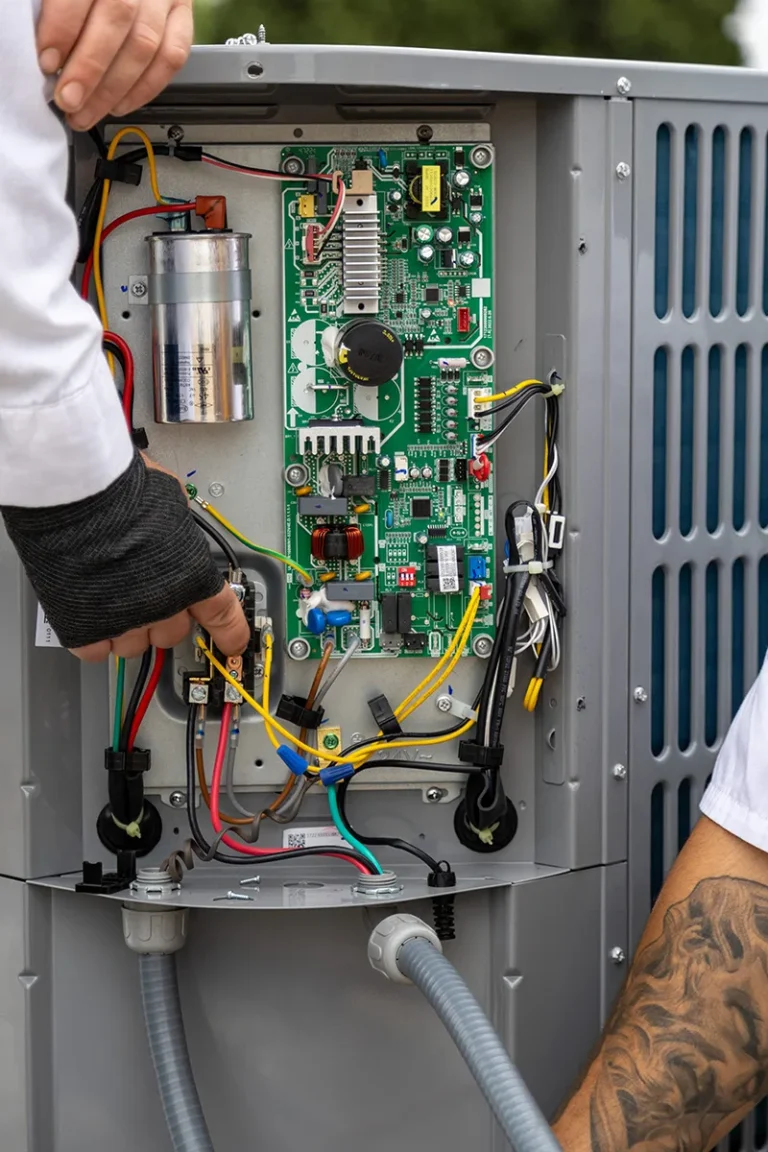
Regular maintenance checks include safety assessments to detect potential dangers. Our technicians examine components such as the heat exchanger for cracks or leaks, which can result in deadly carbon monoxide emissions. In addition, electrical connections should be inspected during safety checks to help avoid fires.
3. Improved Indoor Air Quality
Dust, allergies, and pollen can collect in your heating system. When it runs, these particles can enter your home, reducing indoor air quality and potentially exacerbating existing allergies.
4. Reduced Risks of Breakdowns
Regularly servicing your system allows you to rapidly discover and address minor faults before they become serious concerns. This strategy helps to prevent sudden system breakdowns, particularly during peak heating seasons when the pressure on the system is high.
5. Warranty Compliance
Many heating system manufacturers require regular maintenance to keep warranties valid. By scheduling regular maintenance, you can protect your investment and ensure your warranty remains intact in case of a system breakdown.
Common Heating Issues That Can Be Avoided
1. Clogged or Dirty Air Filters
When your heating system is not regularly serviced, your filter becomes dirty, making it hard to circulate air throughout your home. Dirty filters will also affect the air quality as pollens, allergens, and dust will easily get into your home.
2. Strange Noises Coming from Your Heater
When your heating system is in operation, it usually produces a low buzzing sound. However, hearing an unusual or loud noise indicates that you require quick air conditioning and heating service.
3. Thermostat Malfunctions
The thermostat is often the brain of your heating system. If faulty, your heater may not turn on or function properly.
4. Frequent Cycling
If your heater turns on and off frequently, it indicates a serious problem with the air filter or thermostat. Frequent cycling disrupts the flow of heating, causing discomfort. It also increases wear and tear, shortening the heater’s lifespan.
5. Leaks in Your Air Ducts
Leaking air ducts is a common enough heating problem that can be easily avoided with regular inspections. When your air ducts are loose or broken, warm air escapes before it reaches your home, causing the system to work harder to compensate for inefficient heating and increasing wear and tear.
How Regular Maintenance Saves on Heating Repairs
Investing in regular maintenance can lessen the need for costly repairs. Problems are identified and addressed before they cause significant and costly damage to the heating system. Regular air conditioning and heating maintenance also saves money on energy bills and prevents wear and tear, which can lead to failures and a shorter lifespan.
Essential Heater Maintenance Tips to Prevent Costly Repairs
1. Identifying Early Signs of Heater Trouble
Identifying warning indications that your heating system needs to be repaired as soon as possible might save you money on repairs later. Hearing odd noises is a clear indication of a heating issue. Hissing, hammering, or whistling sounds signal a variety of faults, but one thing is clear: your system requires quick care.
Inconsistent warmth in your home is another early warning indication of heater problems. If some rooms are warmer than others, it indicates that your heater is not dispersing heat uniformly or efficiently. This could be due to clogged or dirty filters, thermostat problems, or internal burner troubles.
Higher-than-average electricity costs without an increase in heater usage suggest that your system is losing efficiency.
2. The Role of Professional Heating Services
Professional heating services can help you avoid expensive heater repairs by scheduling regular heating system inspections. Professional heating contractors may do the following preventive maintenance tasks:
- Tune-Up and Minor Repairs: Heating contractors will fine-tune your system to ensure peak performance. This could include regulating the thermostat, inspecting for wear and tear, correcting minor issues as they arise, and lubricating moving parts.
- Energy Efficiency: Regular heating maintenance will help your system function more efficiently, save energy bills, and, most importantly, extend its life.
3. DIY Maintenance Tips for Homeowners
It is not always necessary to hire a professional to service your heater. Here are some steps you may take to keep your heater working smoothly:
- Cleaning: Dust and debris buildup can affect indoor air quality and make the system work harder, significantly reducing lifespan.
- Air Filter Replacement: The air filter is a critical heating system component. However, after extensive use, it accumulates dust, dirt, and other substances, which can cause frequent cycling, uneven heating, and poor indoor air quality.
- Thermostat Checks: Compare the temperature on your thermostat screen with the actual room temperature. If they don’t match, you should re-calibrate or replace it.
When to Call for Professional Heating Repairs
Deciding when to get a professional assessment of your heating system can be tricky. As a rule of thumb, professionals should handle all internal issues or issues concerning critical components like the air ducts and electrical connections.
Frequent breakdowns are a clear indication that your system needs professional repairs. If your heater continually develops issues, it may be time for a thorough inspection by a qualified technician.
Edit Content
"*" indicates required fields
Conclusion
Regular air conditioning and heating maintenance are critical to adequately functioning your HVAC system. They improve its efficiency, extend the lifespan of your heater, and help you save money that would have been otherwise spent on energy bills or repair and replacement parts. Klondike Air experts are ready to help improve the operation of your home comfort system. Contact Klondike Air now to schedule regular heating maintenance.
FAQs
Why is regular maintenance necessary for my heater?
It helps prevent breakdowns, reduce energy bills, and extend the lifespan of your heating system.
What maintenance task should I perform on my heater?
Basic DIY tasks include cleaning, filter replacement, and thermostat calibration.
How many times a year should my heater be serviced?
Your heating system should be serviced at the beginning of every heating season.
When should I call for professional repair services?
Contact Klondike experts for issues beyond your skill set, such as loose electrical connections, internal faults, and significant physical damage.
What are some signs that my heater needs maintenance?
The signs include unusual noises, increased energy bills, uneven heating, reduced airflow, and the heater not turning on.
Can I perform maintenance tasks myself, or should I hire a professional?
Some tasks can be performed yourself. However, you should hire a professional to handle complex issues.
How can I extend the lifespan of my heater?
You can extend the lifespan of your heating system by engaging in regular preventive maintenance.
How long can the average heating system last?
A heater’s lifespan is 15-20 years. With regular maintenance, it can perform optimally for another 5 years.
How often should I replace my air filter?
You should replace your air filter every 3 months and replace it more often if you have pets or a dusty environment.
How can I troubleshoot common heater problems?
Start by checking the power supply, verifying the thermostat settings, looking for duct leaks and water damage, checking the air filter condition, and checking for error codes.