How Often Should You Schedule a Heating Tune-Up?
Summary:
Your heating system should be serviced at least once a year, preferably before the beginning of the heating season. Klondike Air examines the importance of regular heating system maintenance and key maintenance tasks for professionals and homeowners.
Table of Contents
Introduction
Furnaces are essential to our lifestyle in Costa Mesa, California. Once the summer heat comes down, homeowners are getting ready to turn on the heater for the first time in the season. Before you do that, consider getting heating tune-up services. They keep your heater in top condition and prevent it from breaking down when you need it the most.
The best time to get a heater tune-up is during the fall, right before winter comes in full force. Klondike Air provides reliable heater servicing for Costa Mesa and the larger Southern California area. Call us if you haven’t serviced your heater in the last six months to make sure that you are all set for the season.
Contact Us for HVAC Maintenance
Importance of Regular Heating System Care
1. Improved Efficiency
When your heating system is regularly serviced, it operates more efficiently, using less energy to provide the same level of comfort. A well-tuned system helps lower your utility bills and reduce your carbon footprint.
2. Extended Lifespan
Regular maintenance is crucial to ensuring that your heater has a long lifespan. The average heating system is designed to last 15 to 20 years, but that lifespan can be significantly reduced if proper heating system care is not taken. Regular inspections can identify and address minor problems before they become significant problems, ensuring that your system stays efficient for years.
If not quickly addressed, a minor heating problem like a dirty filter will force your heating system to work harder to push warm air into your home. This situation will lead to increased wear and tear, more energy usage, inefficient heating, and, eventually, equipment breakdown.
3. Reduced Energy Costs
One significant benefit of heating tune-ups is the lower energy costs from more efficient heating. Regular maintenance irons out the kinks affecting the performance and efficiency of your heater. Some tasks like calibrating the thermostat, ensuring proper insulation, and keeping the outside unit clear of dust, dirt, and debris can significantly increase energy efficiency and reduce operating costs.
4. Improved Indoor Air Quality
A well-maintained heating system is essential for improving indoor air quality and ensuring occupants’ safety. Without proper maintenance, dust, dirt, allergens, and other pollutants accumulate in your heating system, and when it runs, these contaminants circulate through your home, causing and worsening respiratory problems.
However, maintenance tasks like regular filter cleaning and changes prevent the buildup of contaminants in your heating system, ensuring cleaner air for you and your family.
5. Consistent Comfort
A poorly maintained heating system will struggle to provide and maintain consistent heating throughout your home, leading to cold spots or overly hot spots. By scheduling regular heater care with Klondike Air, you can ensure your heating system operates efficiently and delivers warm air to all home areas.
6. Enhanced Safety
Heating systems can pose significant safety hazards if they are not regularly maintained. Regular inspections help identify potential problem spots such as gas leaks, carbon monoxide emissions, or faulty wiring, ensuring the safety and protection of your household.
For instance, a gas leak can cause serious health problems and explosions.
How Often Should You Schedule a Heating Tune-Up?
1. Annual Tune-Ups
Scheduling heating tune-up services is essential to ensuring your heater functions efficiently. The consensus among heating professionals is that you should schedule a heating tune-up at least once a year, specifically just before the start of the heating season. Some basic annual maintenance tasks include:
- Cleaning: You should clean the furnace, heat pump, or boiler to remove dirt, dust, and debris.
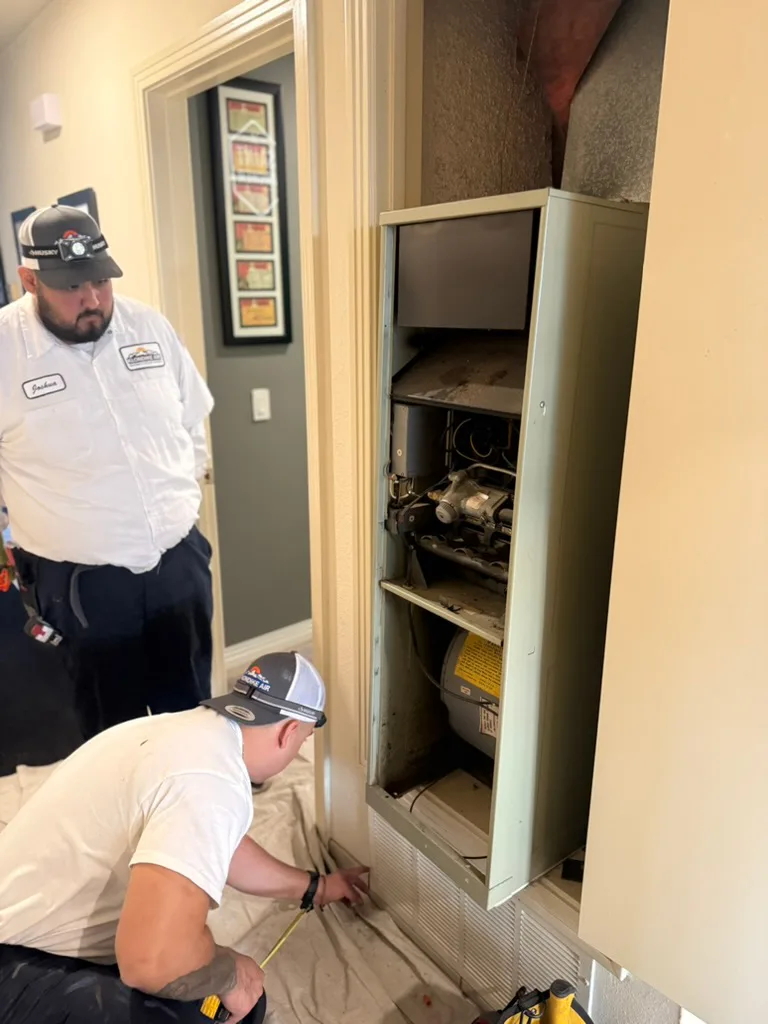
- Inspection: Conduct a visual inspection to identify potential problem areas. Pay attention to worn-out and damaged components and exposed wires.
- Filter Replacement: Replace the air filters to ensure efficient airflow and prevent indoor air contamination.
- Lubrication: Lubricate the moving parts to reduce friction and wear.
- Electrical Check: Check electrical components and connections to ensure a safe and proper operation.
- Refrigerant Check: Check the refrigerant levels and inspect for signs of leakage.
- Thermostat Calibration: The thermostat is the brain of your HVAC system. Calibrate it to ensure accurate temperature readings and efficient heater operation.
2. Pre-Season Checkups
The best time to do a heater tune-up is before the arrival of the heating season. Pre-season checkups ensure your heating system is prepared for extended operations and prevent untimely breakdowns. You can schedule pre-season checkups with Klondike Air.
3. Professional vs. DIY Maintenance
When it comes to maintaining your heating system, deciding whether to do it yourself or hand it to a professional can be challenging. While there are some maintenance tasks that you can handle on your own, you should leave the complex issues to those with experience and expertise. Here are some considerations for choosing between DIY or professional maintenance:
- Cost Considerations
DIY can save you money on labor, but if not done correctly, you might cause more harm than good, resulting in expensive repairs. Meanwhile, professional maintenance has an initial high cost; the tasks are done correctly, preventing further issues. Also, most heating contractors like Klondike Air provide bonding and warranty, ensuring that any issues arising from professional maintenance tasks will be done without additional costs.
- Experience and Expertise
Most homeowners can handle basic heater maintenance tasks like cleaning and changing the air filters. However, more complex tasks, such as diagnosing system inefficiencies, require specialized knowledge and equipment that only professionals have access to.
- Time
DIY maintenance requires you to invest significant time in learning and handling your heater repairs. However, professionals already have the knowledge and can make repairs, replacements, and enhancements twice as fast, ensuring that your home is not deprived of comfort for long periods.
- Safety Concerns
Handling heating systems involves potential hazards, such as gas leaks or electrical issues. These problems require professional attention, as a single misstep can cause grievous harm to oneself and one’s family.
- Long-Term Benefits
Regular and professional heating tune-up services can extend the lifespan of your heating system, saving you money and stress in the long run. Meanwhile, while suitable for short-term upkeep, DIY maintenance could lead to overlooked issues that can develop into major and more expensive problems for your system.
Edit Content
"*" indicates required fields
Conclusion
For efficient and safe operation, you should schedule annual heating tune-up services just before the start of the heating season. Regular heating maintenance will prevent your system from breaking down and extend its lifespan. Professional heating contractors agree that regular heater care reduces energy bills and repair costs. Contact Klondike Air for a quote on annual heating maintenance.
FAQs
1. How often should I schedule a heating tune-up?
It’s recommended to schedule a heating tune-up at least once a year, preferably before the heating season begins.
2. Why is regular maintenance necessary?
Regular maintenance helps ensure your heating system runs efficiently, effectively, and safely, reducing the risk of breakdowns and prolonging its lifespan.
3. What happens during a heating tune-up?
A typical heating tune-up includes cleaning, inspecting, and testing your heating system, replacing filters, and lubricating moving parts.
4. Can I perform a heating tune-up myself?
While you can perform some basic maintenance tasks, it is recommended that you hire a professional HVAC technician for a comprehensive tune-up to ensure your safety and the system’s efficiency.
5. How long does a heating tune-up typically take?
A heating tune-up can take anywhere from 30 minutes to several hours, depending on the complexity of the system and the scope of the maintenance.
6. Will a heating tune-up save me money?
Yes, a heating tune-up can help you save money by improving your system’s efficiency, reducing energy bills, and preventing costly repairs.
7. Can I schedule a heating tune-up at any time?
It’s best to schedule a heating tune-up before the heating season begins, typically in the fall. However, you can schedule a tune-up at any time if you notice issues with your heating system.
8. What are the benefits of scheduling a heating tune-up?
Benefits include improved efficiency, reduced energy bills, extended system lifespan, improved indoor air quality, and enhanced safety.
9. How often should I replace my heating system’s air filter?
Depending on usage and manufacturer recommendations, your heating system’s air filter should be replaced every 1-3 months.
10. How long does a typical heating system last?
The lifespan of a heating system varies depending on the type, usage, and maintenance. On average, a well-maintained heating system can last 15-20 years.