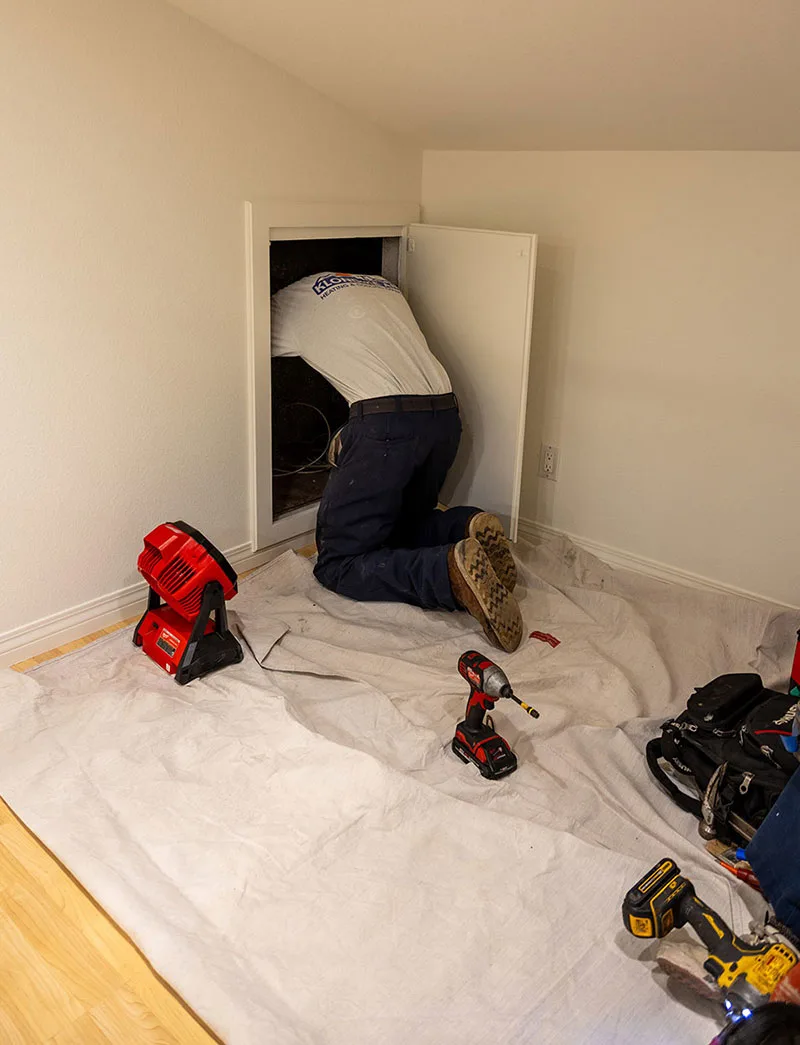
Energy-Efficient Heating for Your Home
Summary:
When summer leaves and the cold season sets in, an energy-efficient heater is all that stands between you and an uncomfortable heater. Regular heating maintenance improves performance and protects your home from polluted air and fire hazards.
Table of Contents
Introduction
Do you know that your heater uses more energy and costs more than any other appliance in your home? It makes up 20-30% of your utility bill.
No matter the heating equipment you have in your home, you can save money and increase comfort through regular heater repair and maintenance. However, an energy-efficient heater alone won’t have the desired impact on your energy bills.
At Klondike Air, we recommend the whole-house approach to energy efficiency. By combining regular equipment maintenance with recommended insulation and thermostat settings, you can save up to 30% of your utility bills. This article examines the importance of energy efficiency in your home and ways to achieve it.
Edit Content
"*" indicates required fields
Why Energy-Efficient Heating is Essential for Your Home
If you are one of those homeowners who are tired of their ever-increasing energy bills, switching to an energy-efficient heater is a solution you should explore.
1. How Energy-Efficient Heating Can Reduce Your Bills
According to the US Department of Energy (DOE), the average American spends $200 to $400 annually on wasted energy caused by drafts, old appliances, and outdated heating and cooling systems.
Energy-efficient furnaces use less energy to provide the same comfort level in your home, resulting in lower energy consumption and reduced energy bills. Even if you don’t have the money for a new system, you can consider heating repair to improve your equipment’s performance. Some tips for improving heating include:
- Lowering the thermostat
- Using a smart or programmable thermostat
- Sealing air leaks
- Duct repair.
In the winter, you can save $20 to $30 on heating, which equates to thousands of dollars over the lifespan of your equipment.
2. The Environmental Impact of Energy-Efficient Heating
Although most heating systems can impact the environment, there are ways to reduce carbon emissions and lessen their adverse effects. One such way is to use high-efficiency heaters. When choosing an HVAC system for your home, look for equipment with the ENERGY STAR label, which indicates it meets strict energy efficiency guidelines.
The environmental impact of energy-efficient HVAC units includes:
- Reducing Greenhouse Emissions: Energy-efficient heaters are designed to use less energy to achieve the same comfort level. Using less energy from fossil fuels reduces your carbon footprint and contributes to cleaner air.
- Reducing Air Pollution: Traditional energy sources such as oil, propane, and natural gas contribute to air pollution. Using energy-efficient heaters reduces reliance on these sources and keeps harmful substances such as carbon monoxide and sulfur dioxide out of the environment.
- Resource Conservation: By optimizing energy usage, energy-efficient heaters minimize waste and resource depletion.
- Promoting Sustainable Living: Using energy-efficient HVAC units reduces environmental pollution, promoting healthy living and a greener future.
3. Long-Term Benefits of Investing in Energy-Efficient Heating
Investing in an energy-efficient heater requires a considerable upfront cost, but the long-term savings make it worthwhile.
- Rebates and Incentives: If you make qualified energy-efficient improvements to your home, you may qualify for a tax credit of up to $3,200.
- Increased Home Value: An energy-efficient home is an attractive feature for potential buyers.
- Lower Maintenance Costs: Many energy-efficient heaters require less maintenance and have a long lifespan. This translates into fewer repair costs.
Different Components of the Heating System
Various types of heating systems require different approaches to maintenance. However, regardless of your chosen system, regular maintenance is still essential for energy efficiency. Some popular heating equipment includes:
1. Heat Pumps: A Versatile and Efficient Heating Option
Heat pumps are versatile options for areas with mild climates. They offer both heating and cooling capabilities. These systems operate by taking it from outside and releasing it into your home to warm the air. The warm air is distributed through a network of vents and duct systems.
2. High-Efficiency Furnaces: Powerful and Cost-Effective
A furnace operates on the principle of forced air heating, which uses air to distribute heat. This system combusts a fuel source (natural gas, oil, or propane) to warm the air. A blower fan distributes the warm air through vents or registers.
3. Boilers: Energy-Efficient Heating for Larger Homes
Boiler-based heaters heat water within a central boiler, creating steam or hot water. The heat is transported through pipes to radiators or baseboard units throughout your home. As the water releases its heat, it warms the surrounding air, effectively warming your home.
Maintaining and Repairing Your Heater for Maximum Efficiency
Like every household equipment, your heater needs regular repair and maintenance to perform consistently and optimally.
1. Signs Your Heater Needs Repair to Prevent Energy Loss
Here are some indicators that it might be time to schedule heater repair:
- Uneven Heating: If some rooms are colder than the others, it is a sign that your heater is not distributing heat efficiently. The problem might be leaky ducts, clogged filters, or a failing blower motor. If the problem is not promptly addressed, energy consumption and utility bills will increase.
- Frequent Cycling: If your heater turns on and off more than usual, it is not operating efficiently. Poor air flow, thermostat issues, or an undersized/oversized equipment can cause frequent cycling. If not quickly addressed, this will result in energy loss and shorten equipment lifespan.
- System Age: The average heater lasts 15 to 20 years. If your heater is nearing the end of its lifespan, it will become less efficient and require more repairs and maintenance to keep it reliable.
2. The Importance of Regular Heater Maintenance
Scheduling annual heater maintenance checks helps identify potential safety hazards and ensure your family’s safety.
- Increased Energy Efficiency: When your heater is regularly serviced, it operates more efficiently and uses less energy to provide the same comfort level. According to the US Department of Energy (DOE), regular maintenance can improve heating efficiency by 30%.
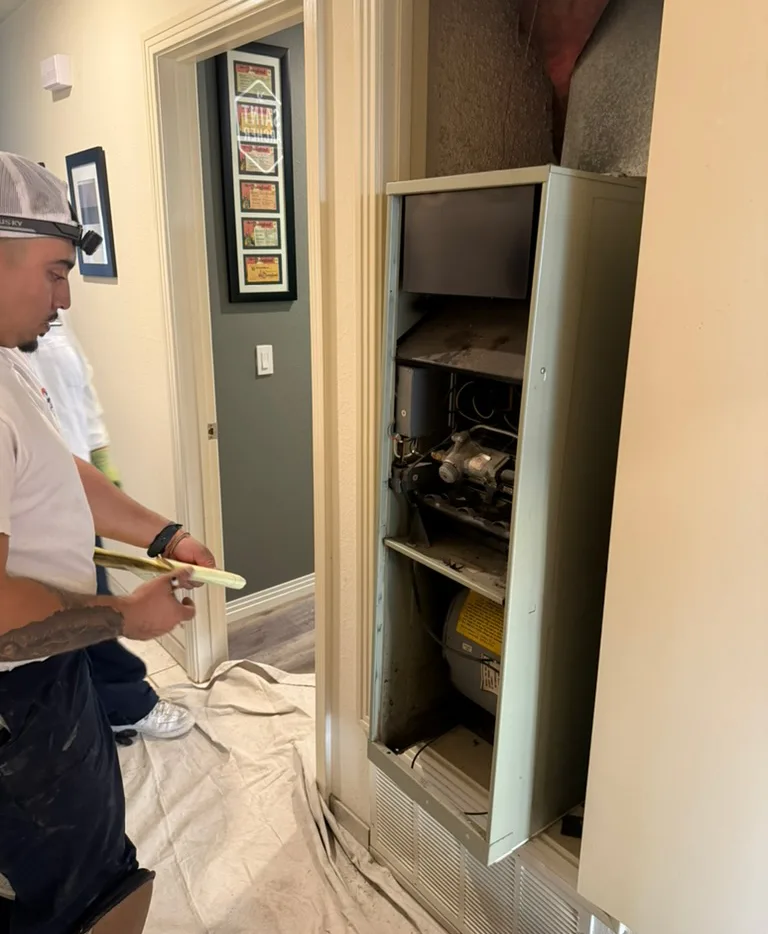
- Extended Lifespan: Over time, dust, dirt, and debris build up in your equipment, affecting performance and leading to wear and tear, which shortens its lifespan. With regular maintenance, these substances are cleared, your equipment is cleaned, and it is repaired to prevent performance issues and further damage.
- Improved Indoor Air Quality: Regular maintenance is essential for improving your home’s indoor air quality. It removes air pollutants such as mold, pollen, allergens, pet dander, dust, etc., which can exacerbate allergies and cause respiratory illness.
- Lower Repair Costs: Regular heating maintenance reduces the likelihood of heater repair. Minor issues can be identified and resolved before they hamper performance or require expensive repairs.
3. How Professional Heater Repair Can Extend Your System’s Lifespan
Professional heater repair can extend your system’s lifespan by:
- Ensuring safe operation and minimizing fire risks
- Preventing unexpected breakdown
- Reducing system strain and wear
- Preventing minor issues from they become major repairs
Consult with a Home Heating Expert
End Note
Getting new equipment is not the only way to achieve energy efficiency. One of the best and most affordable ways is to schedule regular heater repair with a professional HVAC specialist. Watch for signs of malfunctions such as strange noises, frequent cycling, high energy bills, uneven heating, and old age. If you notice any of these symptoms, contact Klondike Air for your heating repair in Orange County.
FAQs
If your heater is malfunctioning, check if the thermostat works correctly. Also, ensure the filters are not clogged. If they are, call a technician for help.
How can I make my heater work better?
Preventive maintenance, such as cleaning the outside unit and air filters, will help improve heating efficiency.
Servicing a heater involves cleaning or replacing the air filter, checking the thermostat, inspecting ductwork for leaks, cleaning the blower, and lubricating moving parts.
What causes a heater not to heat?
A clogged filter is one of the most common causes of a heater blowing cold air.
How do I know if my heater is working correctly?
Check if the heater is working with the thermostat. If the heating is even, comfortable, and uses optimal energy, your heater works correctly.
Why does the heater take so long to heat up?
A dirty filter will take a long time to heat your home. Dirt and dust buildup restrict airflow, making it harder for your equipment to warm the air.
What maintenance does a heater need?
Recommended heating maintenance includes cleaning the filters, checking the burner and heat exchanger, and inspecting electrical connections.
Where is the heat pump located?
A heat pump can be located inside or outside your house. The split pump has two units; one located inside and another outside, while the packaged pump is in one big metal box outside your home.
Skipping regular maintenance is a common reason for heater failure. Over time, wear and tear build up, leading to system malfunction and eventual collapse.
No, it is recommended that you hire a professional technician for all repairs and maintenance. Call Klondike Air now if you need professional heating repair in Orange County.