Understanding the Air Duct Cleaning Process
Summary:
Did you know that keeping a dirty air duct is more expensive than calling a cleaning service? The consequences of a dirty duct system include system breakdown, higher energy bills, and health problems. Learn how and when to clean your air ducts.
Table of Contents
Introduction
Duct cleaning is an essential AC maintenance service. Just as all the surfaces in your home get dirty and dusty, so do your ductwork. The ducts accumulate dust, dirt, debris, pollen, and pet dander, which are then pulled into your HVAC system and circulated throughout your home, causing increased allergic reactions, respiratory illness, and discomfort.
This article examines the process, duration, and importance of cleaning your air ducts.
Edit Content
"*" indicates required fields
Why Air Duct Cleaning Is Essential for Your Home’s Air Quality
Over time, dust, dirt, mold, and other air pollutants build up in your HVAC system. If they are not quickly tackled they can lead to system malfunction, energy inefficiency, eventual equipment breakdown, or worse, affect your family’s health.
1. Benefits of Clean Air Ducts for Health and Comfort
Here are some ways regular air duct servicing can improve comfort and family’s health:
- Improved Air Quality: Clean air ducts can benefit families or individuals with allergies or respiratory issues. Clean air also impacts how your home feels. It creates a sense of freshness and comfort, especially in the winter and summer when your windows are closed.
- Reduction of Allergens and Irritants: Various air pollutants and allergens can accumulate in your ductwork and circulate through your home. These substances can be a constant cause of discomfort for people with asthma and other respiratory issues. Even if you don’t have asthma, mold spores, dust, pollen, and other particles can cause skin rashes, eye irritation, coughing, sneezes, etc.
2. How Air Ducts Affect Indoor Air Quality
Air ducts have a significant impact on AC efficiency. When they function correctly, indoor air is clean, healthy, and comfortable. However, when your duct system is compromised, you have air loss, reduced system efficiency, and introduction of contaminants in your home. Here are some ways ductwork affects indoor air quality.:
- Eliminates Mold and Bacteria: Regular duct cleaning eradicates mold spores and bacteria that often drive inside the duct system. This improves air quality and reduces the risk of exacerbating allergies.
- Removes Unpleasant Odors: Regular duct cleaning helps to remove odor-trapping particles accumulated from household activities such as cooking, smoking, or using cleaning agents.
- Enhances Air Flow: Removing debris and blockages from your ductwork helps ensure a smooth airflow. This means the heating and cooling system can operate more efficiently, reducing air pollution and promoting healthier indoor air quality.
3. Reducing Allergens and Pollutants with Professional Cleaning
Many people suffer from allergies and respiratory issues due to the accumulation of dust, pet dander, mites, allergens, and other air pollutants. While regular AC maintenance can help reduce these allergens, professional cleaning offers a more comprehensive approach to improving indoor air quality.
The Step-by-Step Air Duct Cleaning Process
If you have had your duct system cleaned before and are unsatisfied with the results, then you are not alone. The following are steps for proper AC duct cleaning:
1. Inspection: The First Step to Clean Ducts
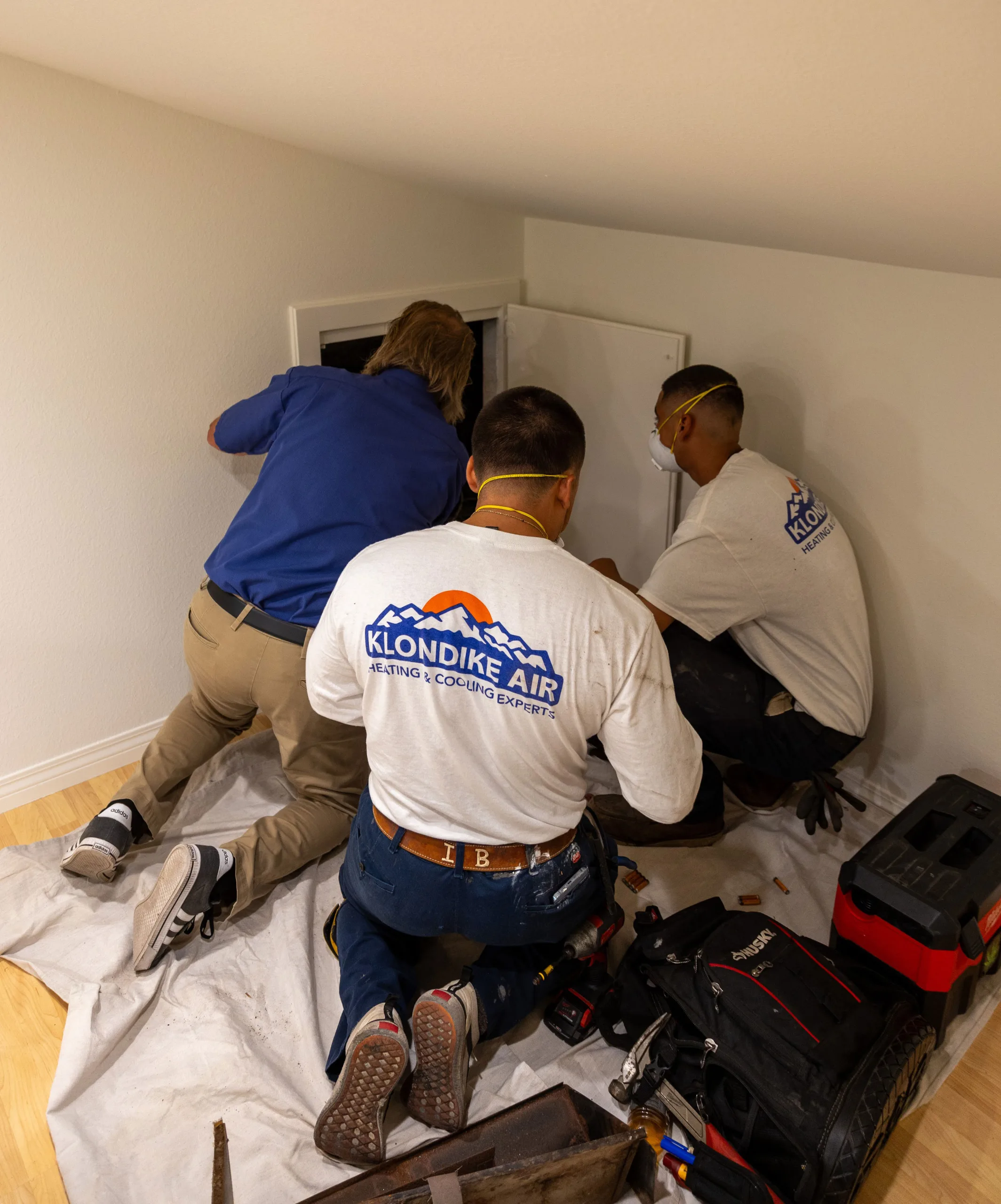
The first step in AC duct cleaning involves inspecting the ducts that lead to the return and supply registers. A professional will look for signs of structural damage, such as leaks, breakages, or blockages. If damage is found, it will be repaired before the cleaning begins.
2. Cleaning Methods: How Professionals Tackle Duct Cleaning
After inspection is the cleaning itself. The methods of AC vent cleaning include:
- Negative Air Cleaning: This method involves having your technician connect a powerful vacuum cleaner to an access point in your ductwork. When the vacuum is turned on, it creates a negative pressure which sucks out the debris and dust in the ductwork.
- Contact Cleaning (Agitating the Dust): With the vacuum still running, the technician will hope to dislodge stubborn debris using rotating brushes or air whips. This process is crucial to breaking up tough debris and ensuring they are sucked into the vacuum.
3. The Tools and Technology Behind Efficient Duct Cleaning
Effective AC vent cleaning requires specialized tools to remove contaminants without damaging the ductwork.
- High-Powered Vacuum with HEPA Filter
- Brushes and Agitation Tools
- Compressed Air Tools
- Video Inspection Equipment
When and How Often Should You Schedule Air Duct Cleaning?
1. Signs That Your Air Ducts Need Cleaning
The following are signs that your air ducts need urgent maintenance:
- Mold is Growing Around the Vents: If your vents have dark spots or are moldy, there’s a high chance that mold is in the ductwork. Left unchecked, it can cause serious health issues and affect HVAC performance.
- Air Vents are Dusty: Dusty air vents indicate widespread contamination in the ducts. Call for an AC cleaning service for a thorough cleanup.
- Bad Smell in Your Home: If you notice a musty or stale odor coming from your air vents, it is a sign of bacterial infestation in your ductwork. Regular duct cleaning can remove the materials or substances causing the smell.
- High Energy Bills: Clogged air ducts will strain your HVAC system, consuming more energy to meet your cooling and heating needs. This will result in higher energy bills.
- Worsening Allergies: If you notice more allergic reactions than usual, your air ducts have likely been contaminated. Call an AC maintenance service for emergency duct cleaning.
2. The Recommended Frequency for Air Duct Cleaning
The National Air Ducts Cleaners Association (NADCA) recommends cleaning your air ducts every three to five years.
3. How to Choose the Right Air Duct Cleaning Service
When selecting an AC maintenance service, you should consider the following criteria:
- Membership in a Professional Association: Contractors certified by NADCA or the Indoor Air Quality Association (IAQA) will adhere to strict quality standards.
- Years of Experience: Contractors with more years of service will have more experience and have dealt with various duct cleaning scenarios.
- Customer Reviews and Satisfaction: Prioritize contractors with a higher customer rating. Check platforms like Yelp and Better Business Bureau for more information on the quality of their service.
- Transparent Pricing: Interview and request quotes from various contractors. This gives you a clear understanding of what you are paying for and the average rate. You can quickly weed out offers that are too low or too high and pick the ones that offer a balance of fairness and quality service.
Request Air Duct Cleaning Services
Closing Note
Although it is an essential part of AC maintenance, duct cleaning is the most overlooked aspect of AC cleaning service—until it is too late or too expensive to fix. Neglecting regular duct maintenance can lead to respiratory illness, increased allergic reactions, component failure, energy inefficiency, and eventually, system breakdown. Protect your family’s health and equipment safety. Contact Klondike Air to schedule duct cleaning now.
FAQs
Duct cleaning reduces the amount of dirty air entering your home. It also protects you from allergens, bacteria, dust, and other substances that can affect your health and living conditions.
Yes, it is worth it. Duct cleaning improves the air quality in your home, the efficiency of your HVAC system, extends its lifespan, and helps reduce energy bills.
What is the best method for cleaning air ducts?
The best method for cleaning air ducts is to create negative pressure, agitate the dust, and clean the entire HVAC system.
What happens if you don’t clean your air ducts?
Dirty air ducts make cooling and heating less efficient. They also wear down your system, eventually causing a breakdown, making your home uncomfortable and unhealthy.
How do I know if my air duct needs to be cleaned?
If you notice an increase in energy bills, foul odor from the duct, dirty air filters, clogged vents, or inefficient heating or cooling, you should contact a professional.
You should leave AC maintenance, including duct cleaning, to trained professionals.
How often should I clean my air ducts?
NADCA recommends cleaning your air ducts every 3 to 5 years.
Can dirty air ducts cause health problems?
Yes, a dirty duct can lead to respiratory issues such as asthma, allergic reactions, and lung infections.
What can you expect after cleaning your air duct?
You should expect cleaner indoor air and more efficient cooling service.
How long does it take to clean an air duct system?
It takes three to five hours to clean an entire duct system.