Simple Ways to Reduce Your AC Bill This Summer
Summary:
You don’t have to set your AC to the highest level to achieve comfort in the summer. Some ways to achieve optimal comfort while reducing energy bills include using a smart thermostat and setting the right temperature.
Table of Contents
Introduction
It is not a secret that as temperatures rise, so do your electricity bills. The Department of Energy reports that air conditioners account for approximately 12% of electricity use in households, resulting in $29 billion in annual costs.
While it may seem impossible, you can reduce AC bill costs and energy consumption in the summer. From timely AC repair to regular maintenance, this article, written by Klondike Air experts, explores various strategies to reduce your AC bill this summer.
Edit Content
"*" indicates required fields
Importance of Energy Efficiency in Summer
Your air conditioner consumes more energy in the summer than at any other time of year. But what if you can reduce energy consumption while maintaining the same level of cooling? Here are some reasons you should invest in an energy-efficient AC before the start of summer.
- Reduce Your AC Bill: As a homeowner, energy costs account for a significant portion of your utility bills. The Department of Energy estimates that you can save anywhere from 5% to 30% of your utility bills with energy-efficient air conditioners.
- Return on Investment: Energy-efficient air conditioners make up for their high prices in cost savings that add up over the product’s service life. Additionally, your returns will likely increase as energy prices inevitably rise.
- Increased Property Value: In the real estate market, homes equipped with energy-efficient air conditioners tend to sell for a higher price than those with standard appliances. Potential buyers and renters prefer these homes because they expect reduced utility and air conditioning repair bills.
- Environmental Sustainability: Investing in energy efficiency is a great way to reduce your carbon footprint, thereby protecting the environment and human health. Since standard air conditioners run on non-renewable energy, using them in the summer increases your carbon footprint, endangering both the environment and your health. Installing an energy-efficient air conditioner can reduce your home’s carbon footprint by 25 to 30%.
Regular Maintenance and AC Repairs
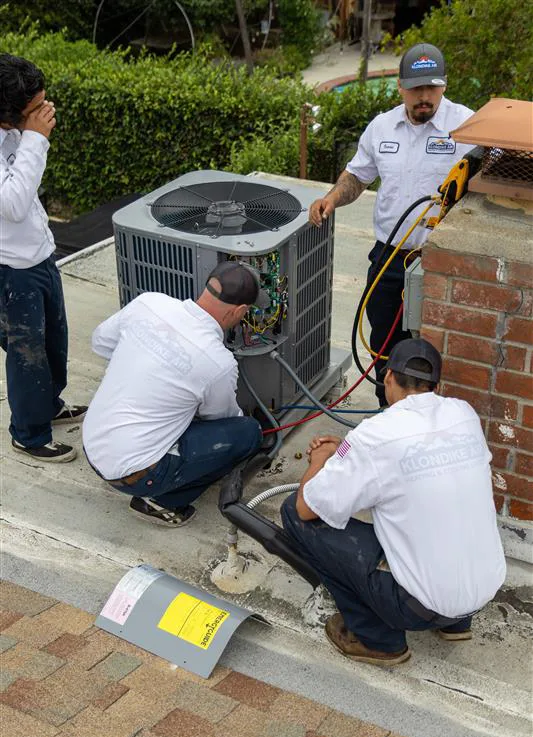
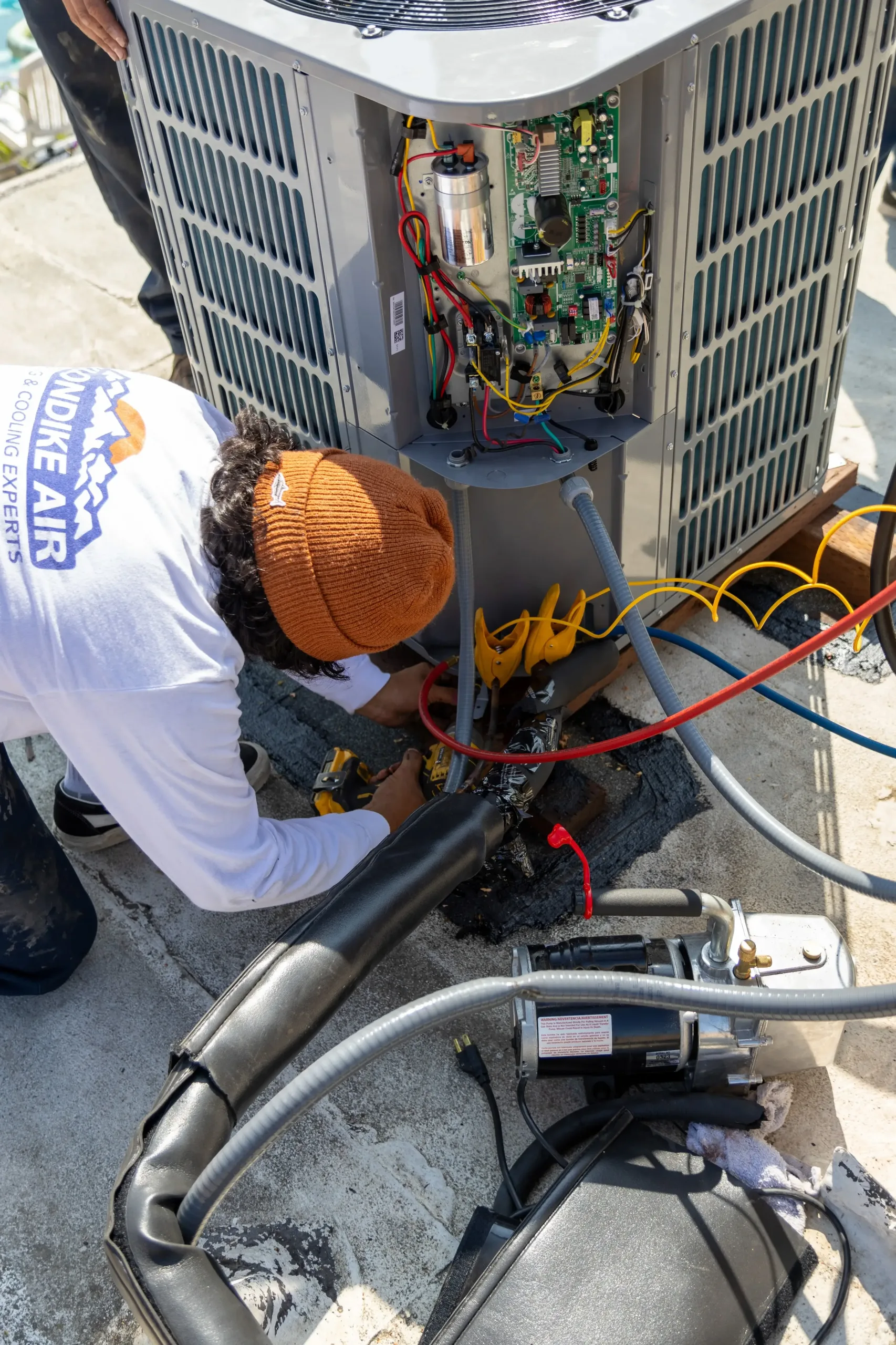
Regular maintenance of your air conditioner’s filters, coils, fins, and refrigerant lines is crucial for optimal performance. Neglecting maintenance leads to reduced cooling performance, increased energy usage, and costly AC repair service.
Some maintenance tips include:
- Clean or Replace Air Filters: Dirty and clogged air filters reduce airflow and affect your AC’s efficiency. When airflow is obstructed, dirt can bypass your filter and accumulate on the evaporator coil, reducing its heat-absorbing capacity. Regular cleaning or replacing a dirty filter with clean ones enhances the operation of your AC and prevents the buildup of dirt in your system.
- Clean Evaporator Coil: Even with a clean filter, your evaporator coil will still accumulate dirt over time. You should have a professional HVAC contractor inspect and clean your evaporator coils to maintain proper airflow and heat absorption.
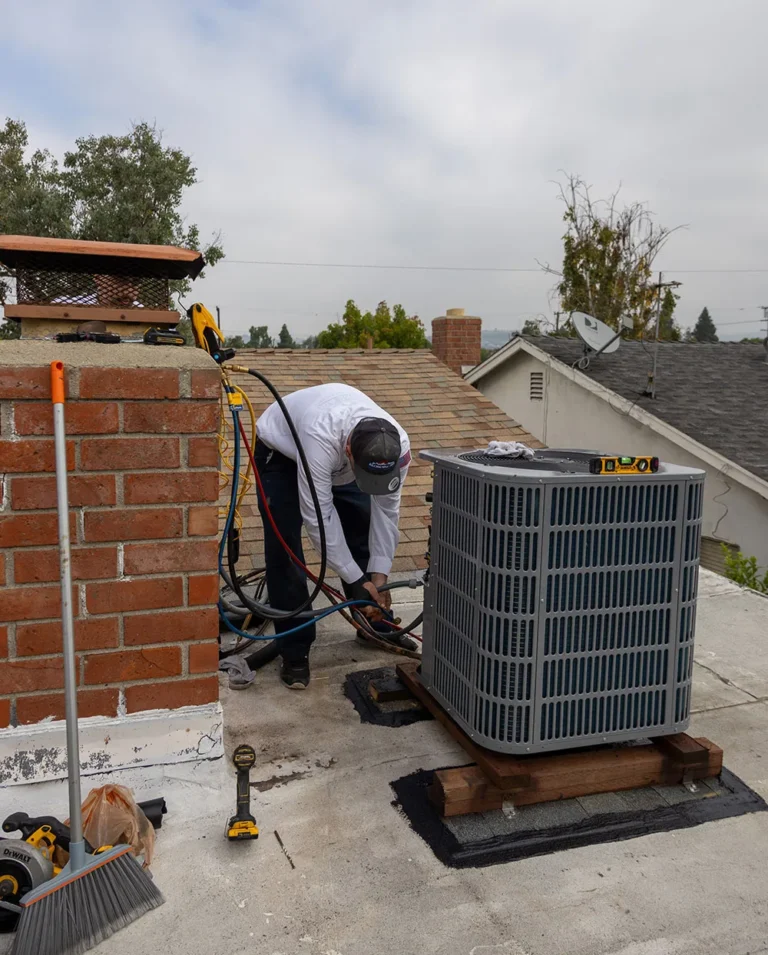
- Clean Condenser Coil: The condenser coils, located in the outdoor unit, can become very dirty, especially in dusty environments. Keep the area around the unit clean, remove debris, and trim foliage to ensure adequate airflow.
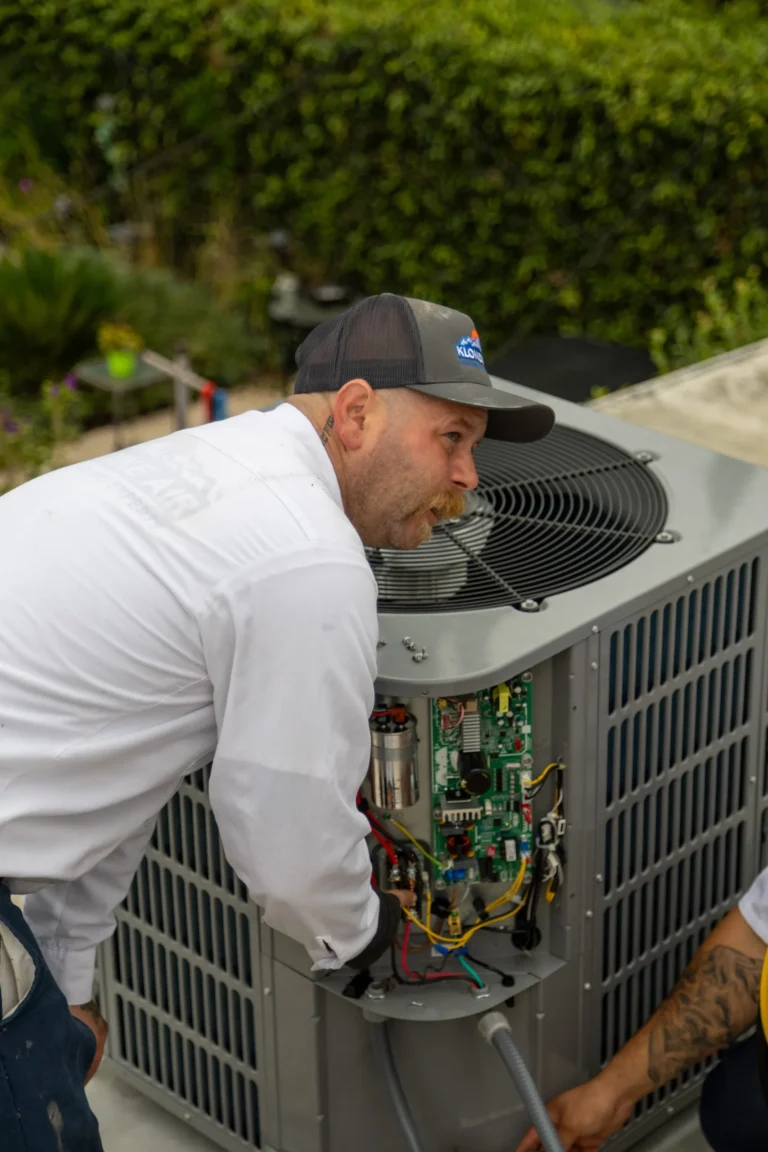
- Check Refrigerant Levels: Low refrigerant levels can strain AC performance, leading to wear and tear and eventually system breakdown. Have an HVAC specialist inspect your system for leakage and recharge the refrigerant.
- Seal Windows, Gaps, and Tears: Inspect air ducts and room seals to ensure your home retains cool air. Poor insulation can put unnecessary strain on your system, leading to costly air conditioning repair and maintenance services.
Optimizing Your AC System for Efficiency
Cranking up your air conditioner throughout the summer can be expensive. Here are some ways to reduce AC bill costs while keeping your system efficient.
- Use Smart Thermostats: Upgrading to a smart thermostat can help you reduce energy consumption while ensuring efficient AC performance. These thermostats can be programmed to turn on and off at specific times or remotely from your smartphone. They also have sensors that determine occupancy and humidity levels.
- Change Air Filters Every Six Months: Air filters are the first line of defense against dirt and dust in your home. If you have been using your filters consecutively for six months, don’t bother with cleaning; it’s better to replace them. Air filters trap dirt, dust, and other air particles from entering your home. Replacing a clogged filter can reduce energy consumption and increase performance by at least 15%.
- Use the Right Size AC: If your air conditioner is too big or too small for your home, it will lead to reduced performance, more wear and tear, and eventually breakdown. To optimize your air conditioning system for efficiency, ensure that the AC is the proper size for your room.
- Schedule Regular Maintenance: The first step to ensuring the efficiency of your air conditioner is regular maintenance. Tasks such as regular cleaning and inspection of evaporator and condenser coils, oiling moving parts, and checking the refrigerant level can help you save money on AC repair and extend the system’s lifespan.
- Set the Right Temperature: The optimal home temperature for efficient AC performance while reducing energy consumption is 75 degrees Fahrenheit.
Using Smart Cooling Strategies
If you’re wondering how to reduce your AC bill costs while also improving cooling performance, consider investing in modern AC units, especially those with the ENERGY STAR rating. Additionally, consider upgrading your existing system to enhance efficiency and performance. The average air conditioning system typically lasts between 10 and 15 years.
1. Benefits of Modern AC Units
Here are some reasons why upgrading your air conditioner is a good idea. Modern AC units have the following qualities:
- Enhanced Cooling Performance: Modern air conditioners are designed to be more energy-efficient than older systems. They cool your home faster and maintain a consistent temperature while reducing energy consumption and utility bills.
- Improved Indoor Air Quality: Modern air conditioners (ACs) feature advanced filtration and ventilation options, which effectively filter out air pollutants and enhance indoor air quality.
- Energy Savings: Modern AC units consume less energy due to their increased efficiency. This helps to reduce AC bill costs over time.
2. When to Consider an Upgrade
- Age of Your Air Conditioner: If your air conditioner is 15 years old or nearing that age, it’s time to consider upgrading it. At this stage, even regular maintenance will have a reduced effect on the AC performance, and you can expect more visits from your air conditioning repair service company.
- Reduced Cooling Performance: Older AC units can not keep up with the demands of modern living, leading to inefficient cooling during hot days.
- Rising Energy Bills: If you notice a sudden increase in your energy bills without a corresponding increase in your cooling needs, it is a sign that your system is inefficient. Upgrade your system to reduce AC bill costs.
Conclusion
If you are still wondering how to reduce AC bill costs. Some simple ways to reduce your AC bill include using a smart thermostat, scheduling regular maintenance with an air conditioning repair service, and using an energy-efficient system. Contact Klondike Air for efficient AC repair and maintenance in Orange County.
FAQs
What should I set my AC to to lower my bill?
To reduce your AC bill, set your thermostat to the highest comfortable setting during hot weather. The lesser the difference between indoor and outdoor temperatures, the lower your bills will be.
How to make the AC consume less energy?
Seal windows, close gaps, and cracks to prevent heat from entering your home or the escape of cool air. Poor insulation will strain your AC, making it consume more energy to meet cooling demands.
How can I get the lowest AC bill?
Ensure your home has proper insulation, invest in regular maintenance, and an energy-efficient AC.
What can I put my AC on in the summer to save money?
Set your thermostat to 75°F to reduce energy consumption and enhance cooling performance.
A high AC bill can be due to inefficient operation, old age, poor insulation, or clogged filters.
What uses the most electricity in the AC?
The compressor is the most energy-intensive component in an AC system. It is responsible for compressing the refrigerant gas before it passes through the evaporator coil.
What is the best AC temperature for sleeping?
The best AC temperature for sleeping is 15.6 degrees Fahrenheit and 19.4 degrees Fahrenheit. This range helps regulate your body temperature and induce drowsiness.
You can reduce your AC bill by investing in regular maintenance, using smart thermostats, and ensuring proper insulation.
When should you schedule regular AC maintenance?
You should have your AC maintenance done before the start of summer. If you need AC repair or maintenance in Orange County, contact Klondike Air.
What maintenance is necessary for the summer?
Ensure proper insulation, check the refrigerant levels, and clean and replace air filters.