How an HVAC Contractor Can Help Lower Your Energy Bills
Summary:
An HVAC contractor can lower your energy bills by upgrading your sealing and insulation, installing smart thermostats, replacing old systems with efficient alternatives, and carrying out routine HVAC servicing to fix issues before they escalate.
Table of Contents
Introduction
Do you know that your HVAC system accounts for almost half of your home’s energy bills? According to the US Department of Energy (DOE), heating and cooling account for about 48% of energy usage in American households.
One of the most effective strategies to reduce energy bills is scheduling regular maintenance with an HVAC contractor. Maintenance helps minimize problems and optimizes your heating and cooling system, reducing energy consumption and repair costs.
In this article, Klondike Air energy experts examine the causes of rising energy costs, the importance of having an efficient system, and ways to lower your energy bills.
Regular HVAC Maintenance for Optimal Efficiency
Regular maintenance is essential to ensure that your HVAC system operates efficiently. A well-maintained HVAC system consumes less energy, thus reducing your energy bills.
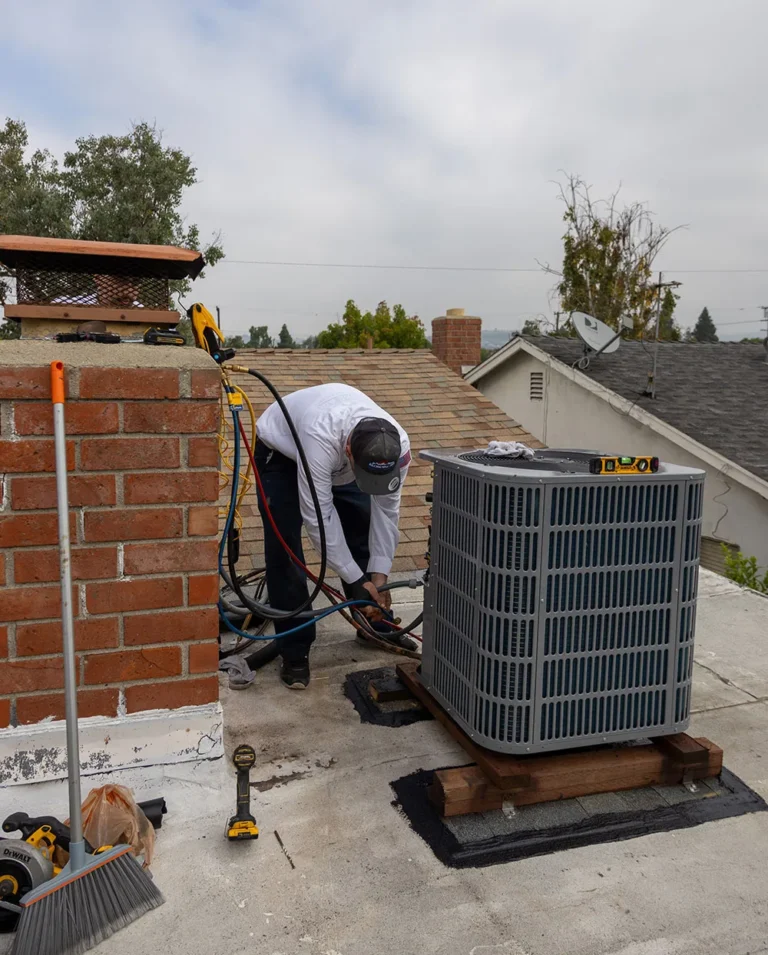
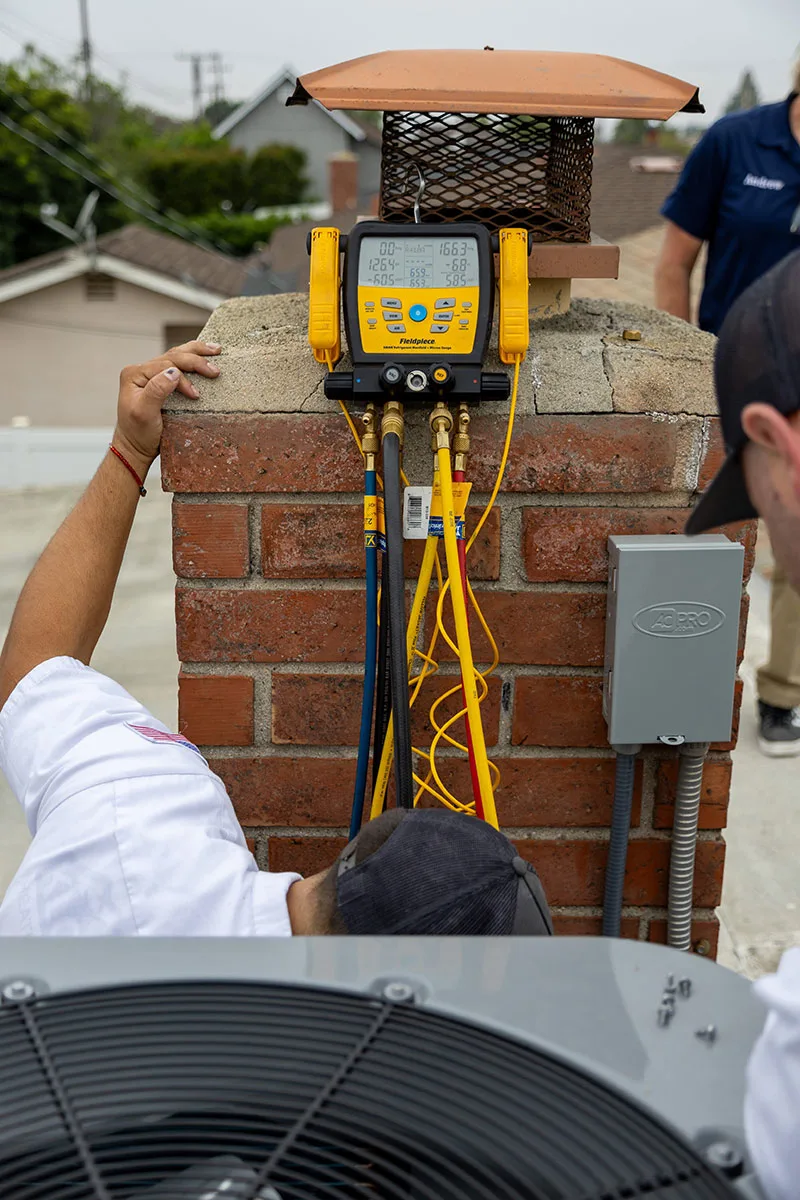
During HVAC maintenance, your technician will clean components, check for wear and tear, test for thermostat accuracy, and verify electrical safety.
Klondike Air experts recommend that you schedule regular maintenance twice annually, once before the cooling season and again before the heating season, to ensure smooth and efficient operation.
Key maintenance tasks include:
- Clean the Air Filters: Your air filters keep dust, dirt, and other contaminants away from your home. Over time, these components accumulate grime, dust, and debris, reducing airflow and forcing your system to consume more energy to meet your heating and cooling needs. You should replace and clean your air filters every 1-3 months or according to the manufacturer’s specifications.
- Clean Evaporator and Condenser Coils: The evaporator and condenser coils ensure your system can effectively cool or heat your space. Over time, these coils accumulate dirt and grime, preventing heat exchange and proper air flow. When this happens, your system must consume more energy to heat or cool your home. A professional HVAC technician will inspect and clean these components to keep your system efficient.
- Check Refrigerant Levels: Your refrigerant level plays a key role in heating and cooling performance and energy consumption. Low refrigerant levels reduce your system’s ability to cool your home, prolonging run time and increasing energy consumption. Running a system with insufficient refrigerant can also cause compressor damage, increasing energy consumption by at least 20%.
- Lubricate Moving Parts: Your HVAC system runs efficiently thanks to the efforts of several moving parts, such as the blower motor bearings and condenser fan motor. Without proper lubrication, friction increases, leading to increased wear and tear, and more energy is consumed to meet cooling and heating needs.
By keeping your system in top shape, you will avoid overworking it, reduce energy consumption, and lower your monthly bill.
Upgrading to Energy-Efficient HVAC Systems
If your system is over 10-15 years old, it may be time for an upgrade. Modern HVAC systems are designed with energy efficiency in mind. These systems have high SEER (Seasonal Energy Efficiency Ratio) ratings.
Older heating and cooling units, on the other hand, have lower efficiency ratings. Twenty years ago, the best HVAC units had 18 SEER, while the highest available today is 30 SEER.
When choosing an energy-efficient system for your home, look for models with high SEER and HSPF (Heating Seasonal Performance Factor). Also, look for ENERGY STAR certified systems, which means they meet strict energy efficiency guidelines set by the U.S Environmental Protection Agency (EPA).
While the initial investment can be higher than expected, energy-efficient HVAC systems can lead to significant savings through reduced energy bills.
Smart Thermostats & Zoning Systems
According to the US Department of Energy, you can save as much as 10% on annual heating and cooling bills by adjusting your thermostat to 7-10 degrees for eight hours. Upgrading to smart thermostats makes it easier to implement this energy-saving plan and improve your system’s efficiency.
Key features of smart thermostats include:
- Learning Capabilities: Smart thermostats are equipped with advanced learning capabilities that allow them to learn your daily routine and temperature preferences, using them to create a personalized heating and cooling plan for your home.
- Remote Access: Smart thermostats are linked to your smartphone, giving you greater control over your home’s temperature. You can control your HVAC system from anywhere.
- Energy Reports: Smart thermostats provide detailed reports on energy consumption, inefficiencies in your system, and suggestions on achieving optimal performance. These reports will help you reduce energy usage and achieve lower energy bills.
- Geofencing: This feature lets your smart thermostat detect when you leave or return home and sets the temperature accordingly.
You can also save costs by setting your thermostat to the highest comfortable temperature in the summer and the lowest comfortable temperature in the winter. This helps optimize comfort while increasing energy savings.
Your HVAC contractor can optimize your thermostat settings and implement zoning systems to prevent unnecessary heating and cooling when you’re not at home or when a room is not occupied, reducing energy bills.
To implement this, your contractor will:
- Evaluate your home for zoning capabilities
- Install retrofit ductwork with dampers
- Set up thermostats and controls for each zone
- Integrate the zoning system with your smart thermostat.
Sealing and Insulation: The Hidden Energy-Savers
When your HVAC becomes inefficient, many homeowners focus on the system, when the problem might be external. Sealing and insulation often go unnoticed, yet they are the most cost-effective upgrades for reducing energy bills. According to the North American Insulation Manufacturers Association, 90% of single-family homes in America are under insulated.
Proper sealing and insulation help to prevent heat loss in the winter and keep cool air in the summer. Without adequate insulation, your HVAC system will work harder to compensate for the heat loss or gain, increasing energy consumption.
1. The Role of an HVAC Contractor in Checking Home Insulation
An HVAC technician provides residential HVAC services, which include home energy assessments to detect where your home might be losing energy. To do this, your technician will:
- Assess Insulation and Ductwork: HVAC specialists will assess the insulation condition in walls, attics, crawl spaces, and ductwork, looking for gaps or damage that can lead to heat loss or gain. They may also identify areas where sealing is needed, such as windows and doors.
- Identify Potential Issues: Your heating and cooling contractors may use thermal imaging and a blower door test to measure air leakage and identify potential insulation or air sealing issues.
- Provide Solutions and Recommendations: Based on their assessments, your contractor will recommend ductwork repairs or insulation upgrades in specific areas to improve energy efficiency.
2. How Proper Sealing Prevents Energy Leakage
According to EPA’s ENERGY STAR, sealing air leaks and adding insulation can save the average homeowner up to 11% of total energy bills. When you seal your home, you’re closing any gaps or cracks that allow air to get in or out.
This process involves using caulk, weatherstripping, and spray foam insulation to create a tight seal around windows, attics, doors, vents, and other areas where air might escape.
By doing this, you prevent conditioned and heated air from getting out, improving comfort and energy efficiency. This means less wasted energy and reduced energy bills. HVAC specialists believe sealing ducts alone can boost energy efficiency by 20%.
Edit Content
"*" indicates required fields
Conclusion
Lowering your energy bills starts with keeping your system efficient and in shape. From scheduling regular maintenance to upgrading old systems, integrating smart thermostats, and ensuring proper insulation, an HVAC contractor can help devise ways to keep your system efficient and reduce energy consumption.
Are you looking to reduce your utility bills and enhance home comfort? Invest in professional HVAC services today. Contact our HVAC contractor in Orange County for immediate heating and cooling assistance.
FAQs
1. How can I make my HVAC system more energy-efficient?
Change your air filters regularly, consider yearly tune-ups, install a smart thermostat, and seal air leaks and damaged ducts.
2. What is energy saving in HVAC?
Energy efficiency in HVAC is about maximizing the performance of heating, ventilation, and air conditioning units.
3. How to save money on HVAC installation?
Your contractor can help you apply for tax credits and local utility incentives. Also, manufacturer rebates should be considered, and a smart thermostat should be installed.
4. Which of the following can help improve the energy efficiency of an HVAC system?
Sealing and insulation are cost-effective methods of increasing the efficiency of your heating and cooling units. It prevents the heat loss or gain, reducing energy consumption.
5. How can I make my HVAC more sustainable?
Clean or replace air filters regularly, check for leaky ducts and seal them, improve insulation in walls, floors, and attics, and upgrade to a smart thermostat.
6. What is the most energy-efficient HVAC system?
Air-source heat pumps are the most energy-efficient heating and cooling systems in 2025. They work by transferring heat from one place to another, instead of generating it as a furnace does.
7. What is an HVAC and energy management system?
An HVAC energy management system is an integrated solution designed to control and optimize the performance of the heating, ventilation, and air conditioning system within a building.
8. What is the best way to save energy in the air conditioner?
You should set your thermostat to the highest comfortable temperature. Klondike Air experts recommend 78 degrees when you’re home and 80 degrees when you’re away.
9. What makes an HVAC system less efficient?
When the air filters become dirty, your system finds it harder to circulate clean air, forcing the unit to consume more energy to meet your heating and cooling demands.
10. How do I know if my HVAC is energy-efficient?
Check whether your unit has an ENERGY STAR label, indicating that it meets energy efficiency standards set by the EPA and DOE.