How Ductwork Impacts Your AC Installation Efficiency?
Summary:
This article explains how ductwork directly impacts the efficiency, performance, and lifespan of your AC system. It covers the different types of ducts (flexible, sheet metal, fiberglass-lined, and fiberboard), highlighting their pros, cons, and ideal use cases. Key factors, such as airflow, proper sizing, sealing, and insulation, are discussed as essential to achieving energy efficiency and maintaining indoor comfort. The article also emphasizes the importance of professional installation, regular maintenance, and code compliance.
Table of Contents
Introduction
When it comes to air conditioning systems, there is a direct connection between ductwork and HVAC performance. Most homeowners only focus on the unit, its brand, and features, but one of the most overlooked components that affects the installation and performance of your system is the design of your AC ductwork.
Proper ductwork design ensures that cool air flows efficiently throughout your home. Poorly designed ductwork can lead to uneven cooling, increased energy cost, and a shorter lifespan for your system.
At Klondike Air, we offer efficient ductwork AC installation to enhance the performance of your system. Our experts will also break down how ductwork influences the cooling performance of your air conditioner and why it matters in residential and commercial settings.
Types of Ducts in Residential and Commercial AC Installations
If you are looking to replace or install new ductwork in your Orange County building, you should carefully consider the type of AC ductwork you want to use.
The type of ductwork and how they are installed significantly affect performance, energy efficiency, and indoor comfort. One of the main factors affecting AC ductwork and HVAC performance is the purpose of your building.
Both residential and commercial applications utilize a range of duct types, tailored to their specific size, complexity, and environmental conditions.
Edit Content
“*” indicates required fields
This field is for validation purposes and should be left unchanged.
The four main types of ductwork commonly used in HVAC systems are:
Flexible Ductwork
This type of ductwork is made from a metal wire coil and is covered with a layer of flexible plastic. These ducts are designed to be flexible and can be bent or shaped to fit into tight spaces or around obstacles. This makes them ideal for use in tight areas such as attics or crawl spaces.
Flexible ducts are easy to install and come with built-in insulation, typically made of glass wool or plastic materials such as polyethylene. They’re an excellent choice for tight spaces, such as attics or crawl spaces. A significant drawback of flexible ductwork is that it can be easily crushed and kinked, resulting in airflow restrictions. Also, they are susceptible to tears, leaks, and degradation over time.
Sheet Metal Ducts
Sheet metal ducts are the most common type of duct in the US. They are suitable for both residential and commercial applications. These ducts are usually made with galvanized steel or aluminium for their lightweight and easy installation. The best part of installing sheet metal ducts is that they are resistant to mold and bacterial growth. They are also durable, and their smooth surfaces reduce friction, improving airflow.
A significant drawback of sheet metal ducts is that they are expensive and labor-intensive to install. The other drawback is that they are poor insulators. If you have metal sheet ductwork in an unconditioned area, such as an attic or crawl space, the outside of the ducts needs to be wrapped with insulation to prevent heat transfer.
Fiberglass Lined Ducts
Fiberglass-lined ducts are very similar to sheet metal ducts; the only difference is that they have internal and external fiberglass lining. These ducts are preferred for commercial AC installations as they can help dampen the sound of your air conditioner.
This type of duct is not typically recommended due to its high installation cost. The biggest problem, however, is that it tends to trap lots of dust, allergens, and bacteria. Therefore, it will need to be cleaned more frequently; additionally, this type of duct is difficult to clean, which increases maintenance costs.
Additionally, fiberglass-lined ducts do not last long, and if they are not replaced promptly, they will begin to deteriorate, releasing fiberglass particles into the air. This is a significant health concern, as exposure to fiberglass can irritate the eyes, skin, throat, and lungs. Prolonged exposure to deteriorating fiberglass may pose health risks, including respiratory irritation.
Fiberboard Ducts
Fiberboard duct is made of compressed and resin-bonded fiberglass. The outside of the duct is laminated with a foil sheet, which protects it from moisture and acts as an air barrier for better insulation. The inside of the duct also features a special coating that fully seals the fiberboard, preventing fiberglass particles from escaping.
Fiberboard ducts are better insulated and have acoustic properties, making them perfect for commercial and industrial applications. Compared to sheet metal and fiberglass-lined ducts, these ducts are less expensive and easier to install.
However, a significant drawback is that they trap more dust and debris, which impacts indoor air quality. They are also challenging to clean and have rough interiors, which creates airflow resistance and highlights the relationship between AC ductwork and HVAC performance.
The Science Behind Airflow and Efficiency
Airflow affects everything from how quickly your house cools down to how fresh the air feels. When air is distributed evenly, your HVAC system doesn’t have to work as hard, which can extend its lifespan and save you money on repairs. The science behind airflow and efficiency lies in the relationship between air pressure, duct design, and system performance.
Static Air Pressure and Velocity
Air must move at the right speed and volume through ductwork to effectively cool your space. A narrow or dirty duct will create resistance, forcing your system to work harder. This reduces the efficiency of your system and the lifespan of your unit.
Air Leaks and Energy Loss
Leaky ducts are the most common reason behind the loss of efficiency. Conditioned air that escapes through the gaps puts a strain on your system, forcing it to work harder than necessary and increasing energy loss.
Air Return and Pressure Balance
Energy-efficient AC systems maintain a balance between the supply and return airflows, ensuring optimal performance. If the return air path is restricted, it can create negative pressure, drawing unconditioned air from outside, attics, and garages.
Installation Quality and Its Impact
The following are the ways ductwork AC installation can affect cooling performance and efficiency:
Proper Sizing for Efficiency
Ductwork installation must be sized to match the capacity of your system. Undersized ducts will reduce airflow and strain your system, while oversized ducts can reduce air velocity, resulting in poor air circulation and uneven cooling.
Sealing and Insulation
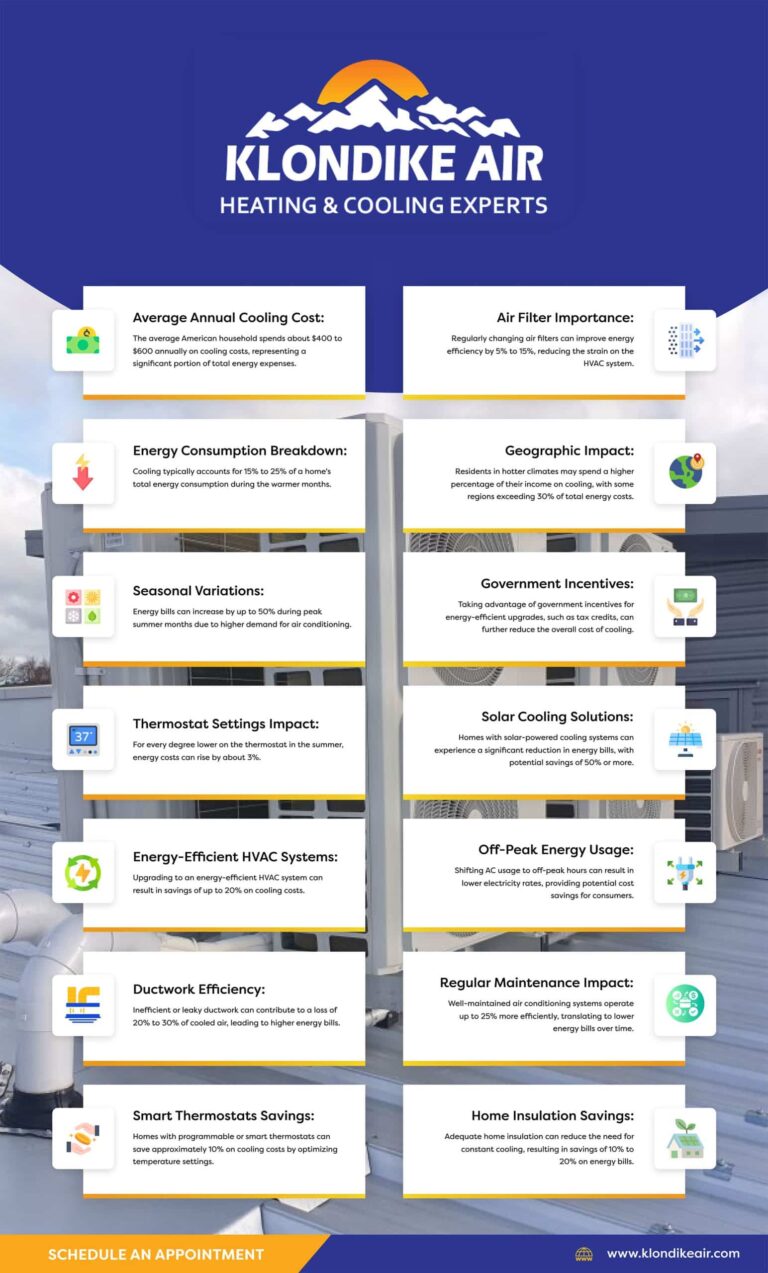
Poor sealing and insulation can result in a 20-30% decrease in cooling efficiency. When your air ducts are not properly sealed, it allows conditioned air to escape before it reaches your house. This leads to energy loss, forcing your system to work harder to compensate for the loss.
Balancing the System
A quality installation ensures that each room receives the correct volume of conditioned air. This helps enhance energy efficiency and ensures that no room gets too hot or too cold.
The Value of Trusted AC Installation
Working with a reputable HVAC installer in Orange County brings long-term benefits, including:
Accurate Load Calculations
One of the first steps a trusted installer takes for AC installation is performing a Manual J load calculation. This enhances ductwork and HVAC performance, ensuring proper air circulation and energy efficiency.
Code Compliance
Trusted HVAC professionals adhere to local, state, and national building codes, which are designed to protect homeowners and maintain energy standards. For example, in Orange County, California, Title 24 compliance is mandatory for AC and ductwork installation. The title ensures that systems are designed, installed, and tested to meet or exceed modern energy efficiency and safety standards.
Testing and Balancing
This ensures that your HVAC system and its ductwork deliver the right amount of airflow to every room in your home. It ensures optimal comfort, energy efficiency, and noise reduction, while also extending the lifespan of your air conditioner.
Duct Condition and Its Role in Long-Term Efficiency
l̥ṁ,The condition of your air ducts directly impacts the long-term efficiency of your HVAC system. Properly maintained ducts ensure optimal airflow, prevent energy loss, and contribute to better indoor air quality. Neglecting air duct maintenance can lead to decreased efficiency, increased operating costs, and potential health issues.
- Energy Efficiency: Poorly insulated or damaged ducts can allow conditioned air to escape, forcing your system to work harder and resulting in higher energy consumption and utility bills.
- Indoor Air Quality: Your ducts can accumulate dust, dirt, and allergens, all of which can block the air paths and be circulated throughout your building. Some of these particles can lead to serious health challenges, including asthma and cancer.
- System Longevity: Regular duct maintenance can help you identify and address potential problems before they worsen, thereby extending the lifespan of your air conditioner. Minor issues such as leaks, blockages, or mold growth, if not promptly treated, can lead to system failure.
- Cost Savings: A well-maintained duct system improves energy efficiency, resulting in lower utility bills and reduced repair needs.
Pros and Cons of Ductwork and Ductless AC Installation
When choosing between a traditional ducted and a ductless system, it is advisable to weigh the pros and cons before making a decision. Here is how both duct systems compare to each other:
- Installation Cost: In homes with existing ductwork, the cost of adding or replacing AC units is considerably lower. At the same time, ductless systems have a higher upfront cost.
- Energy Efficiency: Ducted systems have good energy efficiency as long as they are well-maintained. But ductless systems are excellent, energy-efficient AC systems.
- Maintenance: Ducted systems have comprehensive, frequently expensive, and complicated maintenance needs. Meanwhile, ductless systems only require a simple filter change.
- Air Quality: Ducted systems can be infested with dust, mold, bacteria, and other contaminants, compromising indoor air quality. Meanwhile, ductless systems have cleaner and safer air.
Conclusion
When considering AC installation, ensure that your ductwork is sized correctly for your system and meets your specific needs. Most homeowners overlook the connection between AC ductwork and HVAC performance, which can lead to poor cooling, high utility bills, and a shortened system lifespan.
It is essential to note that while minor flaws can be easily corrected, a major ductwork issue may necessitate extensive or costly changes. Contact us for quality AC installation in Orange County now!
FAQs
1. Do air ducts affect air conditioning?
When ducts are clogged with dust, dirt, allergens, and debris, some rooms may receive less airflow, resulting in uneven cooling performance.
2. Why is ducting so important in an air conditioning system?
When your air duct is correctly sealed, it prevents air loss and ensures that hazardous particles, such as fiberglass, dust, and dirt, are unable to enter your home.
3. What affects aircon effectiveness and efficiency?
Several factors influence the efficiency of your air conditioner, including its SEER rating, the condition of the air ducts, and your thermostat settings.
4. How to increase the efficiency of your air conditioner?
To maximize the efficiency of your AC, consider the following steps: seal air ducts, install a programmable thermostat, insulate and weatherize, regularly check and change filters, and schedule annual inspections.
5. What is the effect of air ducts?
The size of your air duct affects the efficiency, noise levels, and overall performance of your HVAC system.
6. Can dirty ducts cause AC problems?
Dirty ducts can reduce the efficiency of your cooling system. And if your air ducts remain dirty for too long, they could wear out your system and cause a breakdown.
7. What’s the difference between regular AC repair and emergency AC repair?
Sheet metal is the most durable and efficient material for ducting. But it is also costly.
8. What are the disadvantages of ducting?
If they are not correctly installed or maintained, sheet metal ducts can corrode over time, losing their effectiveness and structural integrity.
9. What does ductwork do in an HVAC system?
The ductwork in your home is responsible for circulating the air around your home.
10. How to Make a Ducted AC More Efficient?
Our top air conditioning tips for ducted systems include setting your air conditioner to 24ºC, starting it early in the morning, keeping doors and windows closed, and drawing the curtains.