HVAC Maintenance Myths Every Newport Beach Homeowner Believes
Summary:
- Many Newport Beach homeowners believe in HVAC myths that lead to inefficiency, high costs, and system damage.
- Believing these myths can result in reduced energy efficiency, shorter system lifespan, poor indoor comfort, and voided warranties.
- Homeowners in Newport Beach should replace filters regularly, schedule biannual professional maintenance, and use smart thermostats.
Table of Contents
Introduction
When it comes to your home’s HVAC system, misinformation can lead to costly mistakes. Homeowners often believe common heating and air conditioning myths that can result in a waste of energy, money, or even damage to their system.
As the leading HVAC in Newport Beach, we encounter various misconceptions from homeowners about their air conditioner and heating systems. These myths not only affect your understanding of your units but can also impact their efficiency and lifespan.
In this article, Klondike Air experts uncover the myths, clarify realities, and set you on a path of proper HVAC maintenance.
Myth 1: You Only Need to Change Filters Once a Year
Many Newport Beach homeowners believe that their air filters need to be changed only once a year, especially if their HVAC system is running fine. Unfortunately, this myth can lead to higher energy bills, lower indoor air quality, and increased wear on your system.
The Truth:
HVAC filters in coastal areas, such as Newport Beach, tend to clog quickly due to the presence of salt in the air, seasonal allergens, pet dander, and dust. A clogged filter restricts airflow, making your system work harder than necessary. It also reduces AC performance and puts unnecessary strain on components, leading to more breakdowns, repairs, and a shortened lifespan.
What to Do Instead:
Check your filters annually, especially in the peak cooling season. Additionally, replace your filters every 30–90 days, depending on your household’s usage. Our experts recommend that you change your air filters:
- Every 30 days, if you have pets or allergies.
- Every 60 days for average homes.
- Every 90 days, if your home is rarely occupied.
Edit Content
“*” indicates required fields
This field is for validation purposes and should be left unchanged.
Myth 2: Bigger AC Units Cool Better
One of the most popular air conditioning myths among homeowners is that bigger air conditioning units will cool their home faster and more efficiently than smaller ones. But in reality, bigger is not always better.
The Truth:
Air conditioners don’t just cool your home; they also remove excess humidity from the air. According to Energy Star, improperly sized HVAC systems are one of the top causes of inefficient cooling and high humidity indoors.
An oversized cooling unit will cool your home too quickly and cycle off before it can complete a full cycle, thereby failing to remove moisture from the air. The result is a damp and uncomfortable home with higher humidity levels, creating a breeding ground for mold and mildew.
What to Do Instead:
Before installing or replacing your air conditioner, hire a licensed HVAC contractor to perform a Manual J load calculation to determine the correct system size. This assessment considers factors like:
- Home size and layout
- Window placement and insulation
- Climate condition
- Heat generated by appliances and the number of occupants in your home.
Myth 3: Maintenance Isn’t Necessary for New Units
Think of your HVAC system like a new car. It runs great, but still needs oil changes, tire rotations, and regular checkups to stay that way. The same applies to your air conditioning system. Just because it is new does not mean it does not need maintenance. Neglecting maintenance on a new system can result in costly repairs.
The Truth:
Even a brand-new system can experience issues caused by dust buildup, salty air corrosion, and installation-related imbalances. New systems still require maintenance to ensure they operate optimally and perform efficiently at all times.
Regular maintenance is also important to maintain warranty coverage for a new system. In fact, most warranties become void if you don’t document maintenance and service history.
What to Do Instead:
Schedule professional HVAC maintenance before the start of the cooling season and again before the beginning of the heating season. A proper AC tune-up includes changing the air filter, cleaning the coil, checking refrigerant levels, and testing airflow, among other tasks.
Myth 4: Turning the Thermostat Way Down Cools Faster
When the summer heat is unbearable, many people believe that turning their thermostat way down will speed up the cooling process. Unfortunately, it does not work like that.
The Truth:
Your air conditioner cools at a consistent rate regardless of the temperature setting. Therefore, setting the thermostat lower than necessary will not cool your home faster. Rather, it will only make your system work harder and longer, straining key components, leading to wear and tear, increased energy consumption, and higher utility bills.
What to Do Instead:
Set your thermostat to the ideal temperature needed for your comfort, and be patient while your system works to meet your needs. The recommended range by the Department of Energy (DOE) for air conditioners in the summer is between 74°F and 76°F. Also, if you want faster cooling:
- Close the blinds when there’s sunlight to prevent indirect warming of your space.
- Use ceiling fans to improve air circulation.
- Avoid using heat-generating appliances, such as ovens, during the hottest periods of the day.
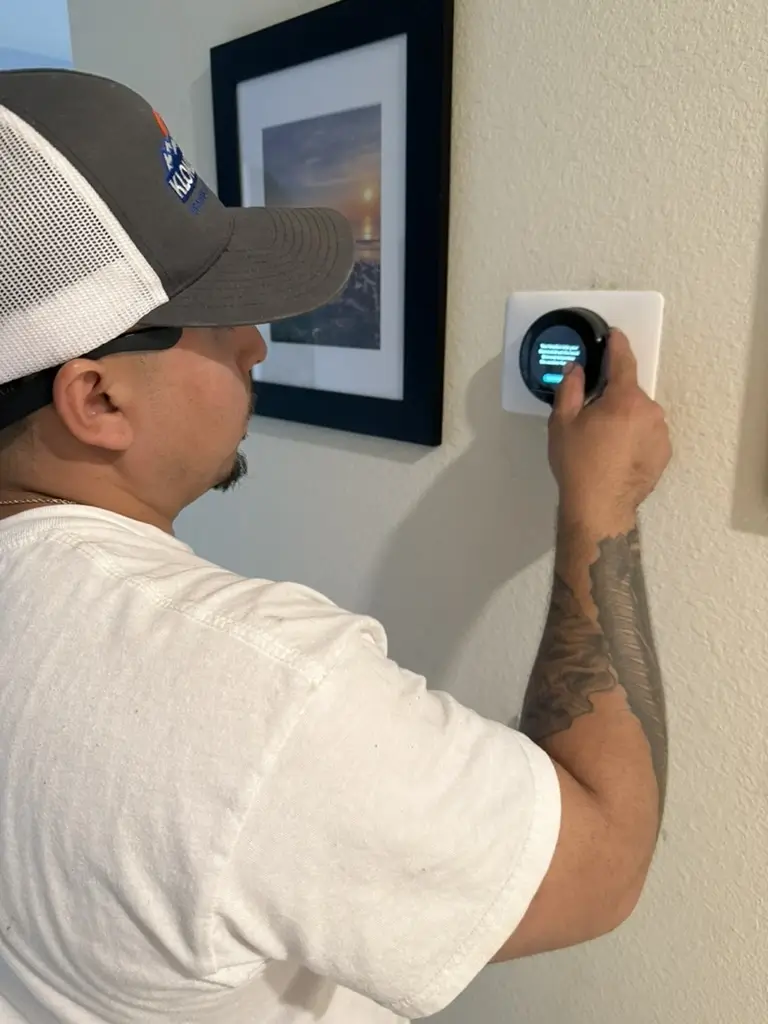
Additionally, consider investing in a programmable or smart thermostat to optimize cooling and reduce energy costs.
Myth 5: DIY Maintenance Is Always Enough
One of the most common air conditioning myths among homeowners is that DIY maintenance is all your HVAC system needs. While DIY tasks such as changing air filters or hosing down the outdoor unit do play a part in maintaining optimal AC performance and efficiency, they cannot substitute for professional HVAC maintenance.
The Truth:
While basic upkeep helps, DIY maintenance can’t replace professional HVAC service. Trained technicians have the tools and knowledge to detect common HVAC problems before they become more expensive or too complicated to resolve. Ignoring professional maintenance can result in unseen damage, safety risks, reduced AC performance, and declining energy efficiency.
What to Do Instead:
For improved efficiency and performance, combine DIY maintenance with yearly professional check-ups. A full system check-up would normally include:
- Checking refrigerant levels and detecting leaks.
- Inspecting electrical connections and controls.
- Testing system performance and airflow balance.
- Cleaning internal coils and blower components.
- Identifying corrosion or damage caused by salty coastal air.
How These Myths Hurt Your Air Conditioning
Believing HVAC efficiency myths may seem harmless, but over time, they can cause serious problems that impact your comfort, family health, and your equipment’s lifespan. Here is how air conditioning myths can hurt your system and home:
Reduced Energy Efficiency
Dirty filters, oversized AC units, and poor thermostat handling increase the strain on your system. Dirty filters restrict airflow, while oversized units and poor thermostat settings reduce cooling efficiency and performance. Either way, to meet your comfort demands, your system will consume more energy than usual, resulting in higher energy bills.
Shortened Equipment Lifespan
Skipping professional maintenance or relying on DIY care means that small issues are allowed to go unnoticed and grow to the point where they cause significant damage to components. Neglecting maintenance can lead to frequent repairs and replacements, which reduce the efficiency and lifespan of your system.
Poor Indoor Comfort
Oversized units, short cycling, and humidity issues leave your home feeling damp, uncomfortable, and even unhealthy. High humidity and dampness present a thriving environment for mold and mildew growth, which can lead to health problems such as respiratory and skin problems.
Voided Warranty Coverage
Many homeowners are unaware that neglecting professional maintenance can void their manufacturer’s warranties, leaving them responsible for expensive repairs and part replacements.
Tips for Smart HVAC Maintenance in Newport Beach
Living in a coastal city like Newport Beach brings unique HVAC challenges. Here are Newport Beach HVAC tips for keeping your unit efficient and long-lasting all summer:
- Replace air filters regularly.
- Schedule annual professional maintenance.
- Use a programmable or smart thermostat.
- Protect the outdoor unit.
- Seal and insulate your ductwork.
- Keep your vents unobstructed.
- Hire a local HVAC contractor for all maintenance, installation, and repair needs.
Contact Us for HVAC Maintenance
Conclusion
Most air conditioning myths may seem harmless at first, especially if your system has no noticeable faults and is still functioning properly. These myths can increase wear and tear, negatively impacting cooling performance, resulting in uncomfortable living conditions, higher energy bills, and even premature system failure.
However, with some HVAC maintenance facts, you can easily detect common HVAC problems in Newport Beach, resolve them, and extend the lifespan of your equipment. Living in Newport Beach means your HVAC system faces extra coastal wear and tear. Don’t wait until a small myth becomes a costly repair; call Klondike Air for a professional tune-up tailored to our unique climate.
FAQs
1. What is the number one problem with HVAC systems?
The most common issue with HVAC systems is the presence of dirty or clogged air filters. These filters restrict airflow, causing your system to work harder and leading to decreased efficiency, overheating, and potentially system breakdowns.
2. How often should you perform maintenance on your HVAC system?
Your HVAC equipment should be serviced at least once a year to ensure optimal performance. The best scenario is to have the heating system checked in the Fall and the air conditioner in the Spring.
3. What are the most common HVAC repairs?
The most common HVAC repairs include dirty filters, leaking refrigerants, dirty condenser and evaporator coils, thermostat issues, and electrical problems.
4. How often should filters be changed?
Your air filters should be changed every 30–90 days, depending on your home’s location, whether you have pets, and the age of your equipment.
5. What regular maintenance should be done on an HVAC system?
Regular maintenance for HVAC systems includes tasks like changing air filters, cleaning coils and vents, checking refrigerant levels, and ensuring proper airflow and electrical connections.
6. What is the average lifespan of an HVAC?
The average lifespan of an HVAC system is typically 15 to 25 years, depending on the type of system, usage, climatic conditions, and quality of maintenance it has received.
7. What happens if I avoid HVAC maintenance?
Failing to perform HVAC maintenance can lead to a range of problems, including higher energy bills, potential equipment failure, reduced comfort levels, and even health issues.
8. What is the difference between HVAC service and maintenance?
HVAC service refers to the repair and addressing of issues that have already arisen. In contrast, HVAC maintenance focuses on preventative measures to keep your system running smoothly and efficiently.
9. Are HVAC inspections worth it?
HVAC inspections are worth the investment. They help maintain the efficiency and longevity of your heating and cooling system, saving you money on energy bills and reducing the need for costly repairs in the future.
10. What is the $5000 AC rule?
The $5,000 AC rule suggests that if the cost to replace an AC system, multiplied by the unit’s age, exceeds $5,000, then replacing the unit may be the more cost-effective option.