Summary:
With cold weather approaching, regular maintenance is essential to prevent untimely and costly breakdowns. This article provides a guide on comprehensive HVAC maintenance.
Introduction
Your heating system will likely be used more frequently in the winter and will work harder to warm your home during these months. Therefore, HVAC maintenance is a priority for homeowners. A well-maintained heating, ventilation, and air conditioning (HVAC) system is critical to keeping your house warm, comfortable, and energy-efficient.
Prioritizing preventative maintenance can help you avoid unexpected breakdowns, lower energy expenses, and provide your family with a secure and comfortable home. This post will provide expert advice on preparing your system for the harsh winter months.
Let’s begin.
What is HVAC Maintenance
HVAC maintenance is the constant upkeep of heating, ventilation, and air conditioning systems to ensure they function properly. Its goal is to minimize costly breakdowns, lengthen equipment lifespans, and reduce operational expenses by increasing energy efficiency and lowering energy bills.
HVAC maintenance includes inspections, thermostat testing, air filter replacement, gap sealing, protection of the outside unit, and maintenance of the ductwork.
1. Inspecting Your Heating System
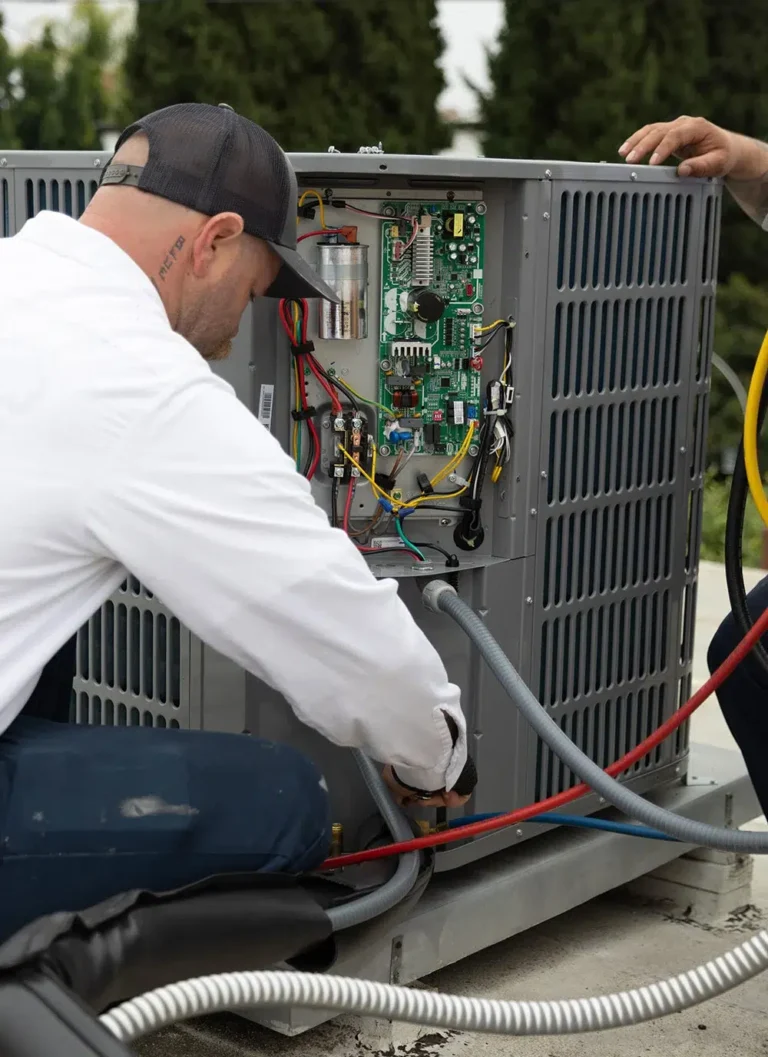
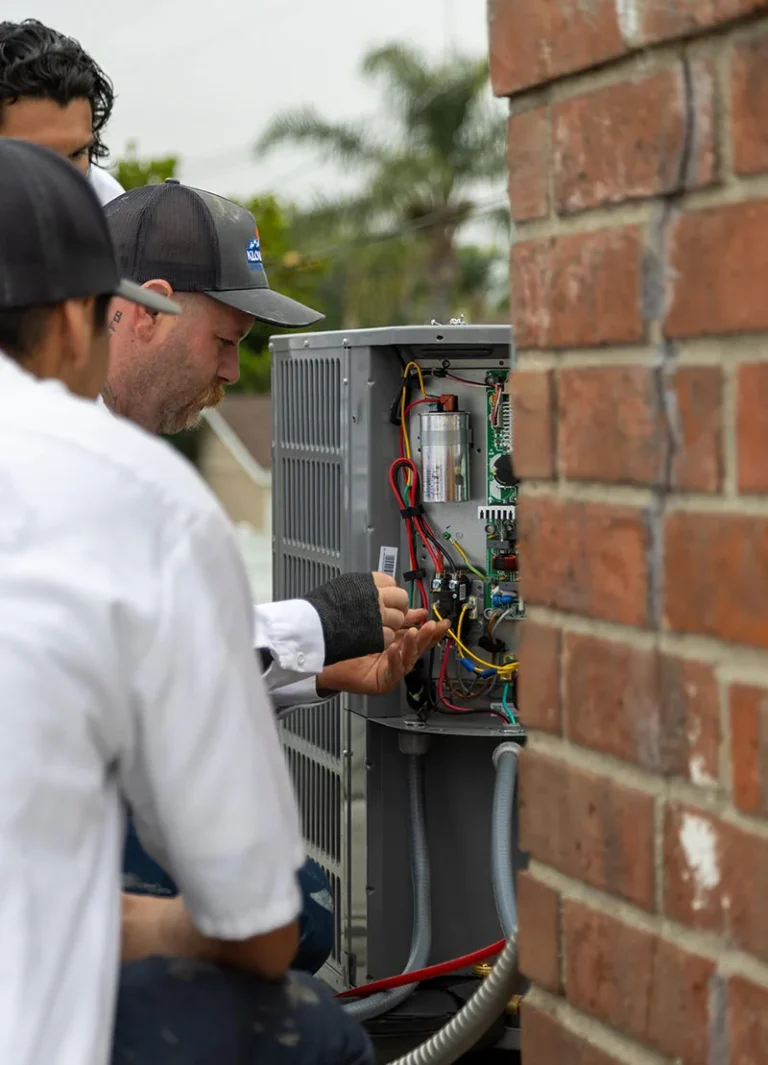
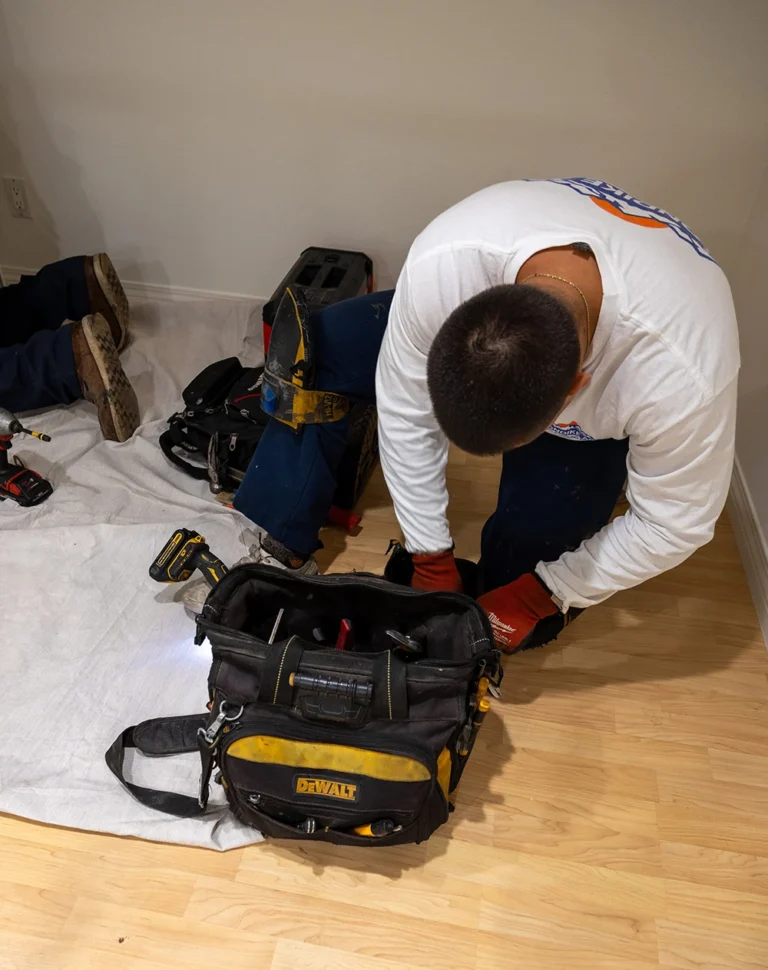
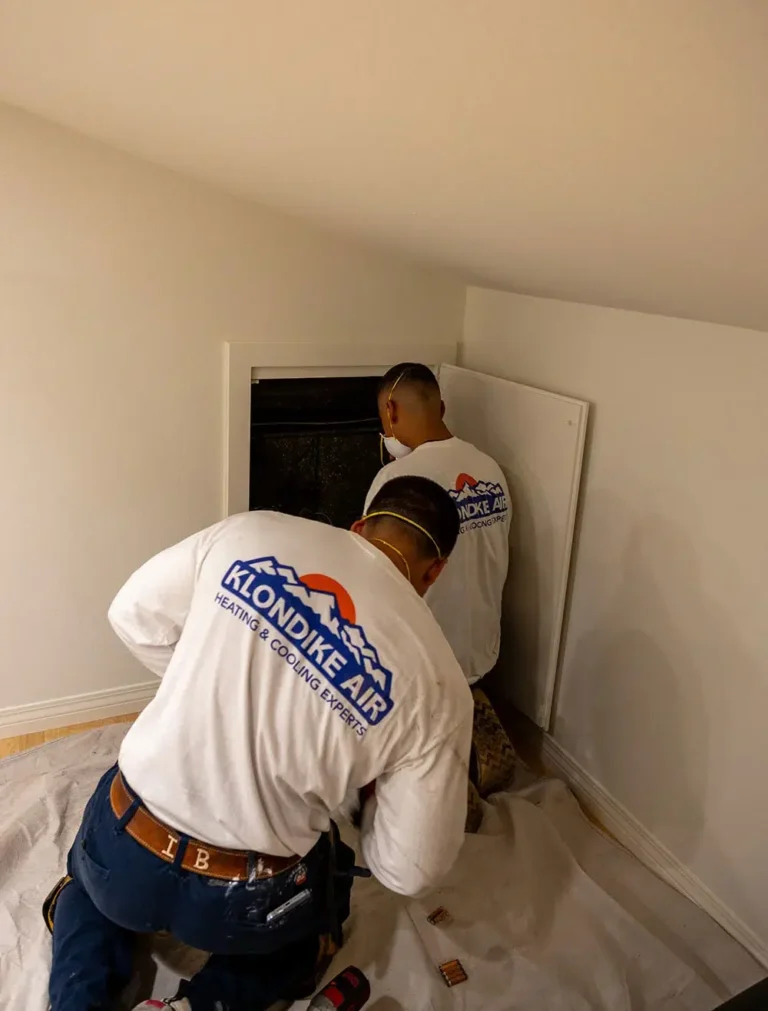
Inspecting your heating system is critical for ensuring it operates efficiently, safely, and effectively throughout the chilly winter months. A standard HVAC inspection checklist begins by turning off the power to the system at the circuit breaker. The technician then inspects your device’s remaining parts and components to verify that they function properly.
2. Test the Thermostat
The thermostat is the device that regulates indoor temperature, keeping your home safe and comfortable. To test the thermostat, take these steps:
- Ensure the power is on: Make sure the thermostat receives power, and the heating system is turned on.
- Turn up the temperature: You should test the thermostat’s connection to your heating system by raising the temperature by 2-3 degrees.
- Check the temperature reading: You should verify that the thermostat is accurately reading the temperature and adjusting the heating system accordingly.
- Test the thermostat’s cycle: Turn the temperature up and down to test the thermostat’s ability to cycle the heating system on and off.
3. Replace the Air Filter
Replacing the air filter is a simple but necessary maintenance task to keep your HVAC system running smoothly and efficiently. A simple filter change improves energy efficiency by 20%, lowers energy costs, and avoids costly repairs in the long run. Here’s an air filter maintenance guide:
- Open the air filter housing: Remove the screws or clips holding the housing in place.
- Pull out the old filter: Gently pull out the old air filter, taking note of the airflow arrows.
- Inspect and clean the housing: Check it for dust and debris, and clean it with a soft brush or vacuum.
- Install the new air filter: Insert the new air filter, ensuring the airflow arrows point in the correct direction.
- Replace the housing: Put back the air filter housing, securing it with screws or clips.
While this might seem easy, you must hire a professional HVAC technician to conduct repairs and replacements. Key recommendations include choosing the correct air filter with the same MERV rating and size as the original.
4. Sealing Gaps and Cracks to Keep Heat In
The smallest gap in your ductwork or indoor insulation can impair the function of your HVAC system, lowering efficiency and increasing cold spots throughout your home. Before winter, you must check your ductwork, windows, doors, and other entries to ensure tight insulation. Places to check include:
- Windows and doors
- Electrical outlets and switches
- Baseboards and moldings
- Attic hatches and whole-house fans
- Pipes and ducts
If you notice heat loss in your home, you should hire a professional to conduct an energy audit and identify areas where the insulation is broken for immediate fixes.
5. Protecting Outdoor HVAC Units
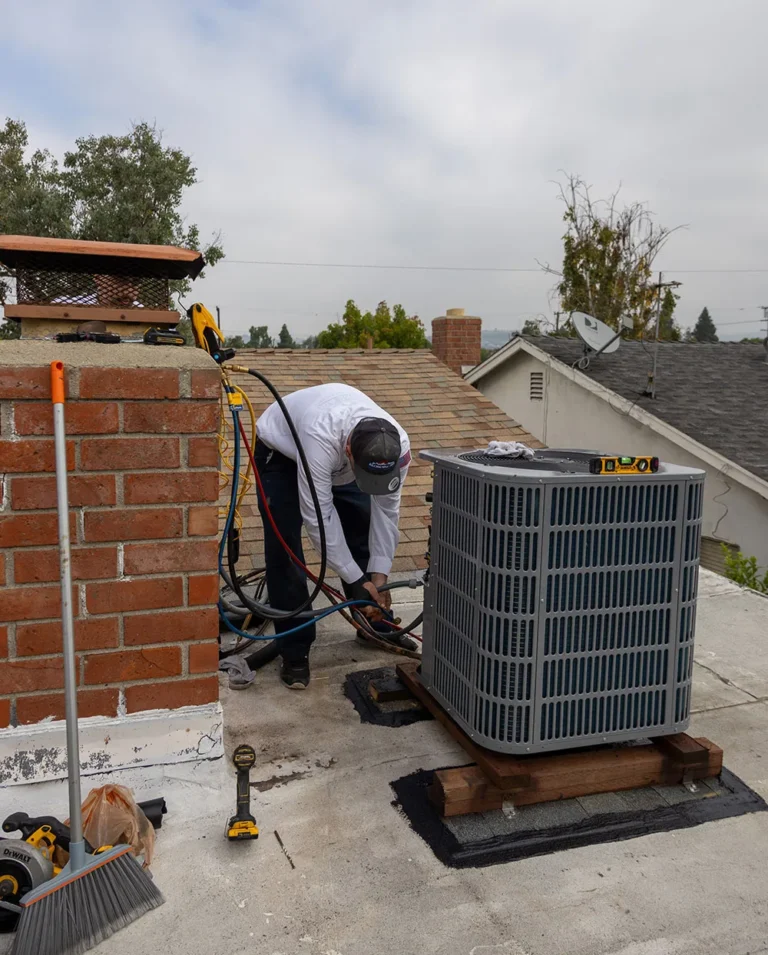
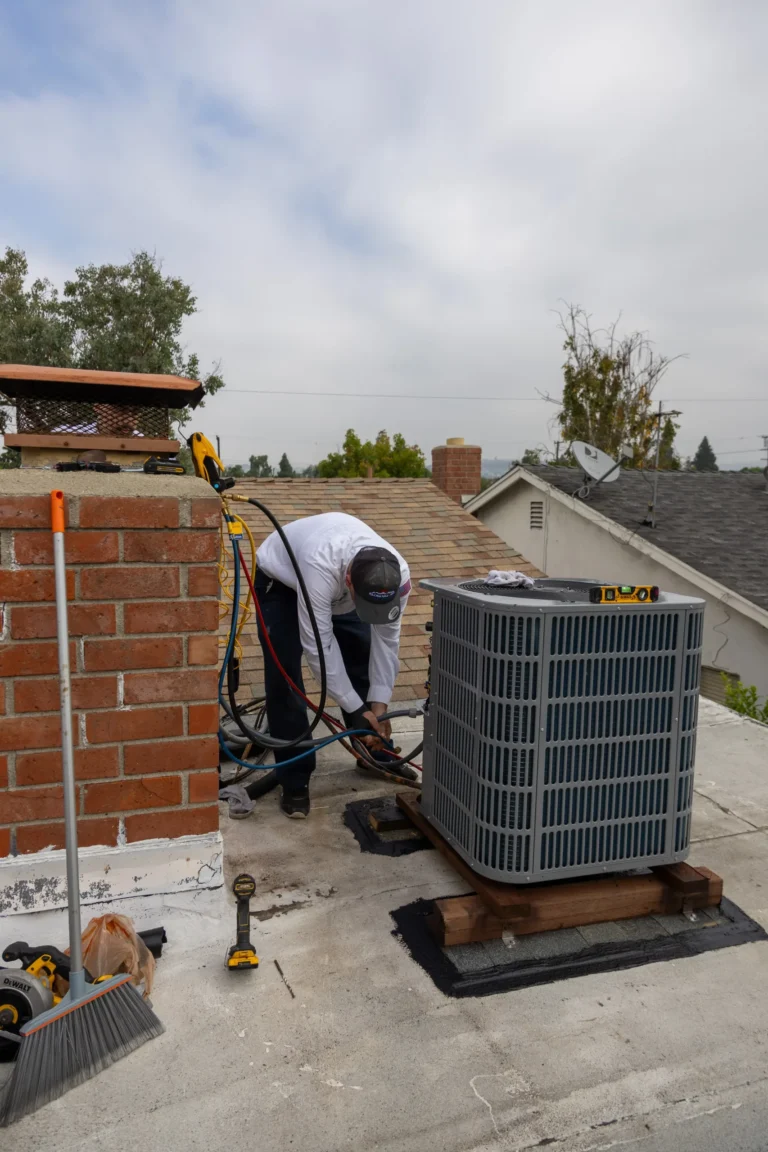
Your HVAC system does not consist only of indoor operations. Some outdoor units also need maintenance, as neglect can affect your home’s indoor air quality and increase wear and tear on the equipment. Here are some tips to protect outdoor units:
Protection from the Elements
- Snow and ice: Clear snow and ice from outdoor units to prevent damage and ensure proper airflow.
- Debris and leaves: To avoid blockage and damage, regularly clear dirt and leaves from outside units.
- Sun protection: Install a shade or umbrella to shield outside units from direct sunshine, which might cause overheating.
Protection from Physical Damage
- Fencing: Install a fence or other barriers around outside units to keep them safe from vandalism, pets, and damage caused by lawnmowers, trimmers, and other equipment.
- Mounting: Ensure that outdoor devices are firmly placed to avoid vibration and irregular movements, which can result in loose screws, increased wear and tear, and equipment damage.
Tips for Protecting Outdoor Units
- Keep the area surrounding the outdoor units clean. Maintain a clear area for optimal airflow and prevent dust and debris collection.
- Schedule regular inspections to detect potential issues before they become major problems.
- Covers and wraps protect outdoor units from the elements and extreme weather conditions.
6. Ductwork Maintenance: Ensuring Proper Airflow
Ductwork maintenance is an essential part of HVAC maintenance. It ensures proper airflow, improves indoor air quality, and optimizes your heating and cooling system’s performance. A well-maintained ductwork improves energy efficiency by up to 30% and protects your home from dirt, pollutants, allergens, and bacteria.
Ductwork maintenance tasks include:
- Inspect ducts: Do a visual inspection of ducts, looking for leaks, holes, and other signs of damage.
- Seal leaks: Use duct sealant or mastic to seal leaks and holes.
- Clean ducts: Use specialized equipment to clean ducts and remove debris, dust, and other contaminants.
- Replace filters: To avoid dust and debris buildup, replace air filters regularly.
- Check dust connections: Ensure that the duct connections are secure.
Employing flexible ducts can improve the efficiency of your ductwork, reduce noise and vibrations, eliminate oversizing, and keep them insulated.
Scheduling a Professional HVAC Inspection
You should arrange expert HVAC maintenance twice a year, once at the start of each cooling and heating season. This guarantees that your system is ready for both seasons and runs smoothly.
During the HVAC inspection, the professional will:
- Inspect your system: The expert will inspect your HVAC system, including both outdoor and interior units, for apparent symptoms of problems such as water leaks, broken ducts, leaking refrigerants, and so on.
- Performance Testing: The technician will do tests to determine the performance and efficiency of each component in your system. Check for airflow, refrigerant levels, and thermostat connection.
- Maintenance and repairs: Following an examination and performance test, your expert will identify problem areas and suggest repair or replacement options.
Reports and recommendations: Following the findings, your specialist will deliver a complete report with recommendations for maintenance, repairs, and upgrades.
HVAC Maintenance Tips for Energy Efficiency During Winter
- Change the air filter: Replace your filter with a new one to ensure good airflow and reduce energy consumption.
- Inspect and clean ducts: Clean and inspect your ducts to ensure they’re free from debris and leaks.
- Upgrade to a smart thermostat: Consider upgrading to one that can learn your schedule and preferences.
- Use zone heating: Use zone heating to heat only the areas of your home that need it.
- Use ceiling fans: Use ceiling fans to circulate warm air and reduce heating needs.
Conclusion
Your heating, ventilation, and air conditioning systems are essential for home comfort and safety. These components work frequently during the cold weather to provide sufficient heat to your home. However, because of the increased workload, they accumulate excess wear and tear and are more susceptible to breakdowns. HVAC maintenance keeps your heating system working efficiently throughout the heating season. Contact Klondike Air professionals for tips on preparing your heater for the cold weather.