Summary:
Heating issues are common in most homes. Luckily, most can be easily fixed with some DIY skills. This article examines the most prevalent heater problems and how to fix them.
Introduction
When the weather cools, your heating system makes your home safe and comfortable. So, it can be frustrating to encounter heater issues that prevent your system from working effectively. The good news is that many heater problems can be easily identified and fixed with some basic knowledge and DIY skills.
This article will explore the most frequent problems plaguing your heating system, from insufficient heating to the furnace blowing cold air. We will also provide practical tips and solutions to get your heater up and running smoothly again.
Common Heating System Problems
The following are issues that are common with the heating system:
1. Lack of Heat or Insufficient Heating
If your heater is not delivering an adequate amount of heat to your home, the following might be the problem:
- Closed vent registers: Most heaters have adjustable vents to open or close. However, because these vents are easy to close, they may block your home from receiving enough heat. If you’re experiencing insufficient heating, check your vent registers and ensure they are open.
- Clogs in ductwork: Duct systems rely on a network of duct pipes to deliver cool or warm air to your home. When these ducts are obstructed, air volume decreases or even totally stops. If you’re experiencing a lack of heat, check your duct pipes for signs of obstruction or damage. Most ducts are easy to fix if you can reach them, but others require professional assistance.
2. Uneven Heating
If your home is not uniformly heated, it could be a problem with the air filters, duct work, or the heating system’s fan motor. Replacing or cleaning the filters might resolve the issue in situations like this. However, if it doesn’t, you may need to contact the nearest heating repair specialist in Orange County.
3. Furnace or Heater Blowing Cold Air
If your furnace or heater is blowing cold air, it could be one of these issues:
- Dirty air filter: Furnace filters must be clean to filter air correctly. If your filters are clogged or dirty, they impede airflow, reducing the heat inside your home.
- Clogged condensate line: If your condensate drain lines are blocked, they could prevent your heater from functioning appropriately. Check your drainage pans and lines for blockage if you notice reduced warmth or cold air from your furnace. Clearing the tube might resolve the problem if you see a fluid buildup.
- Duct leaks: If your ductwork is damaged, heated air can leak into the surrounding spaces and be replaced by cold air. If you notice your heater blowing cold air, check your ductwork for leaks.
4. Mechanical Wear and Tear
It is expected to repair your heating system when it is faulty occasionally, but a heater that constantly accumulates wear and tear and needs repair work spells trouble. Some reasons for numerous wear and tear on your HVAC system are:
- Inadequate maintenance: Routine maintenance helps keep your system in top shape. When this maintenance is skipped, your system will continue to malfunction.
- Obsolete system: System breakdowns and repairs are common when your heater is nearing the end of its lifespan. If you have called for heating service recently and find yourself needing one again, it is a sign that a replacement is required.
5. There’s Mold in Your Heating System
Faulty ductwork and substandard insulation can cause moisture buildup in your heating system, leading to mold infestation. The best solution to protect your home health and purify the air is to have a professional properly insulate and seal your ducts.
DIY Tips for Basic Heater Maintenance
Some heater issues can be easily fixed with some knowledge and DIY skills. Before calling for a professional, here are some DIY tips for heating system maintenance:
1. Change the Filter Regularly
Changing the filter is one of the simplest ways to ensure your heater stays efficient all season. A dirty filter can affect airflow and make your heating system work harder, increasing energy consumption and leading to costly repairs.
2. Check Electrical Connections
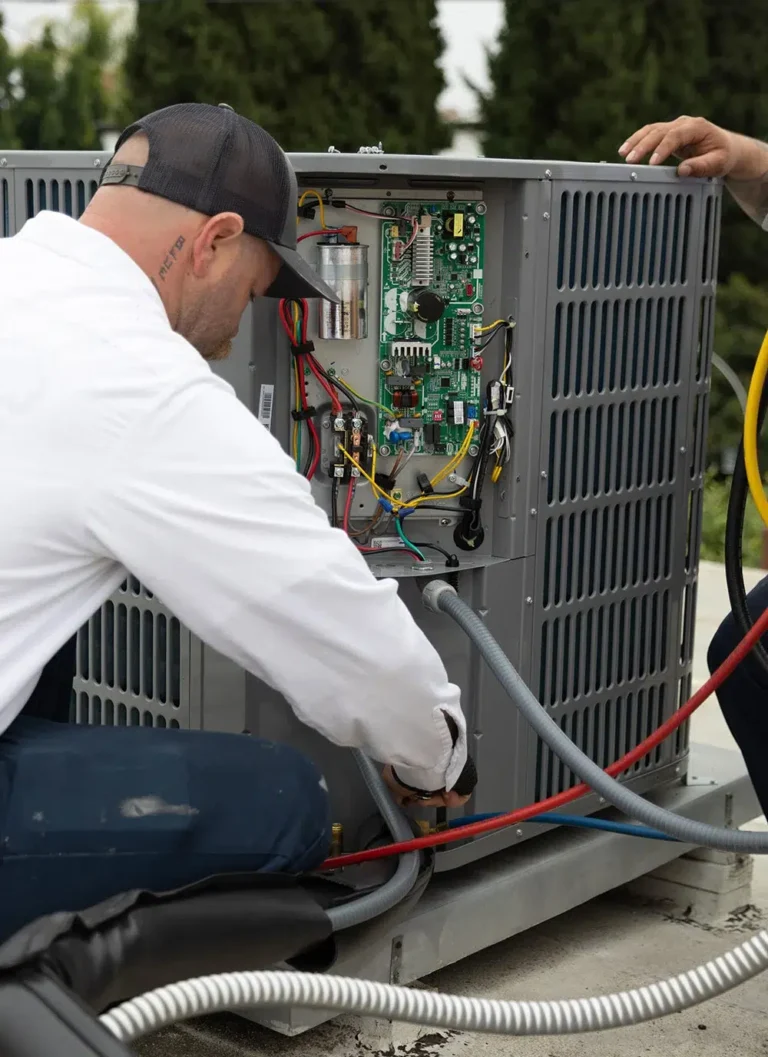
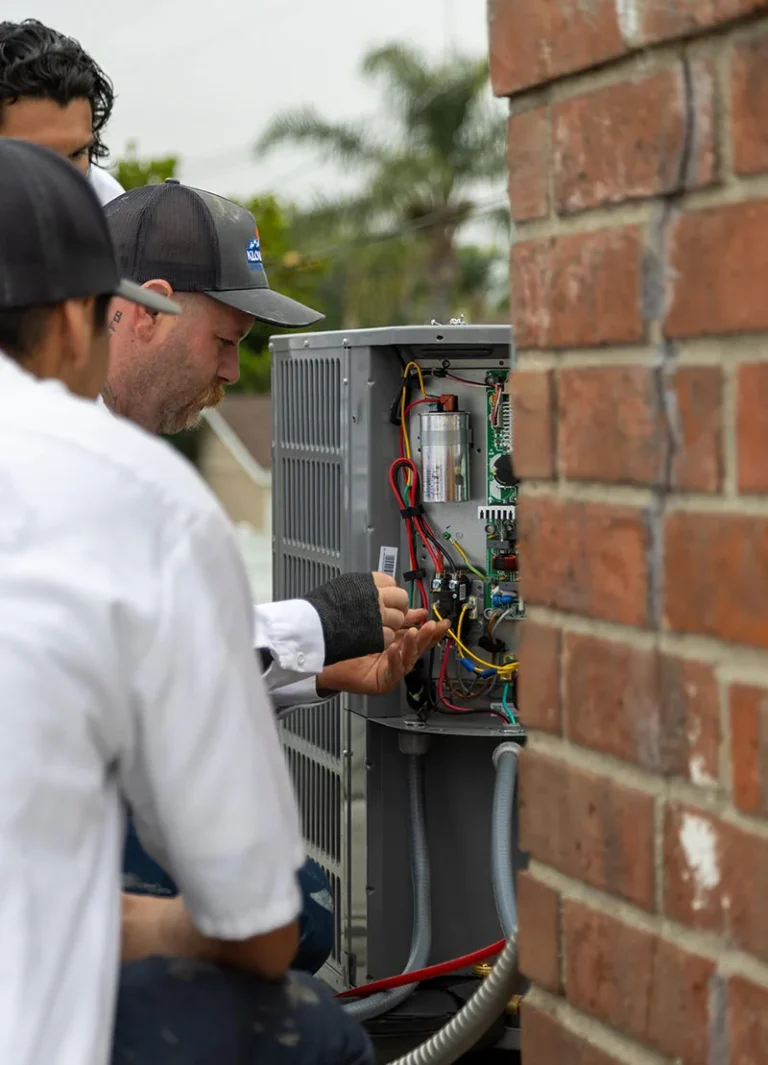
A visual check of the electrical connections is always important. A loose connection can cause the system to stop working, spoil heating components, or start a fire. If you notice loose connections or exposed wires, it is better to let a technician take care of them.
3. Test the Thermostat
A faulty thermostat can cause the heater to operate inefficiently or stop working. Test your thermostat by adjusting the temperature to see if it responds accordingly. Suppose it doesn’t replace the battery and try again. If the problem persists, call a professional to examine it.
4. Keep Your Outside Unit Clean
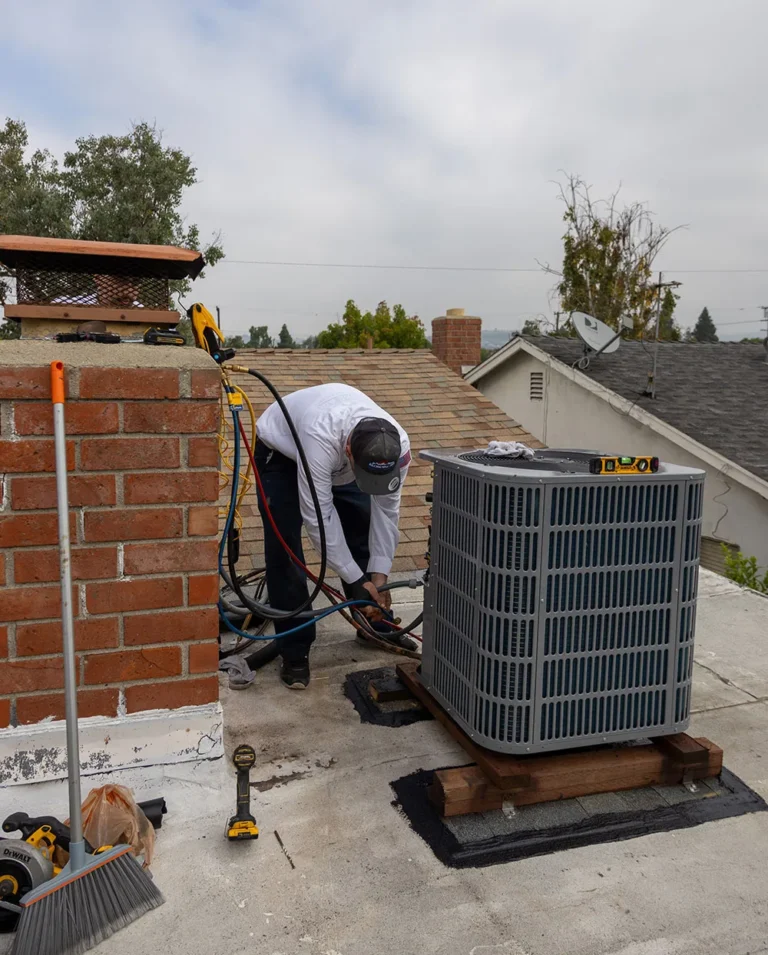
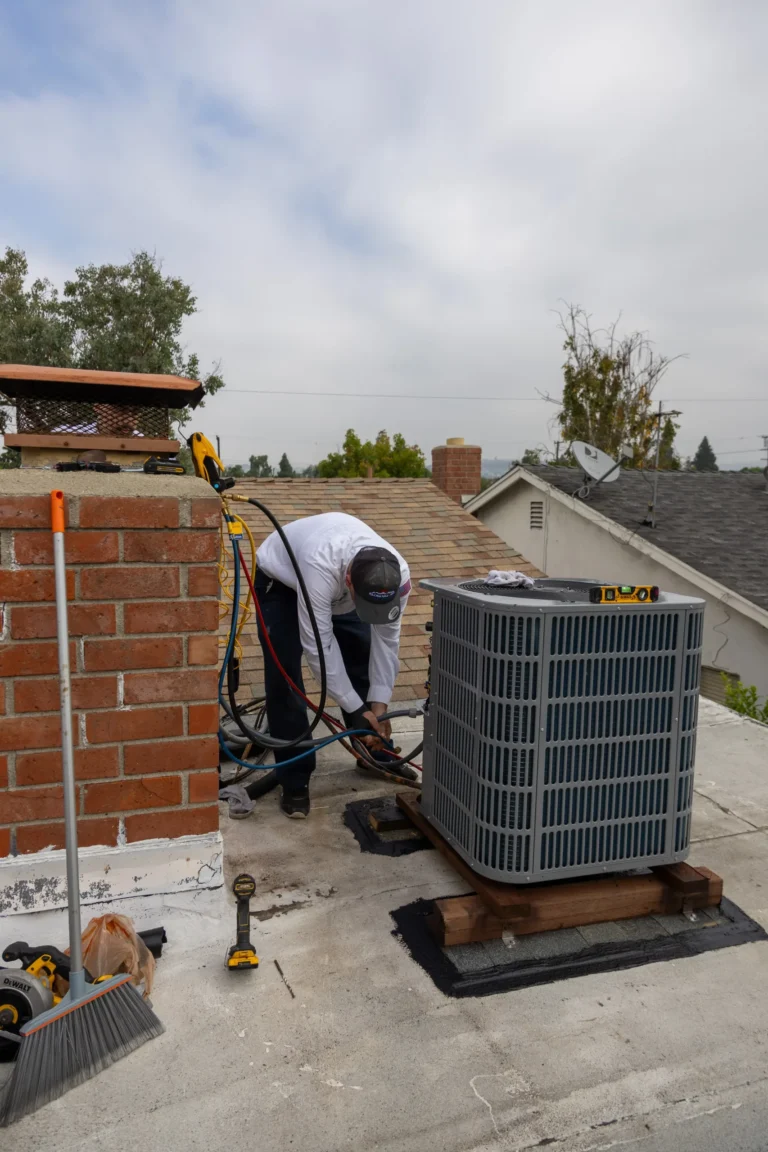
When working on improving your heater, remember to clean the outside unit. Clear the area of leaves, debris, and anything affecting the fan’s performance.
5. Listen for Noises
Listening to your heater is a crucial inspection component. A change in sound may point to your heater needing maintenance. If you notice scraping or clanging sounds, it could be a loose screw or component requiring urgent professional care.
Preventative Heater Maintenance: What It Involves
Preventive heater maintenance tackles an issue before it becomes a significant problem. During preventive maintenance, an HVAC specialist will:
1. Evaluate the Air Filter
Clogged filters are a typical problem that most homeowners face. Dust, dirt, and debris buildup will affect airflow and the quality of air entering your home. Your technician will evaluate the extent of the damage and determine if you need a repair or replacement.
2. Keep Tabs on Gas Pressure
If the gas pressure is too high or too low, your entire heating system risks shutting down, necessitating a significant repair cost.
3. Check for Signs of Wear and Tear
During preventive maintenance, your technician will check the entire system, including outdoor units, electrical connections, and ductwork, for signs of wear and tear. All issues requiring attention will be repaired or replaced.
4. Inspect the Interior Components
The interior components are responsible for most of your heating system’s work. Your technician will inspect the interior, including the ignition assembly, blower, motors, and pressure switches. The electrical components will also be examined, and the power usage will be measured to check for wastage.
5. Check Your Home Thermostat
Your technician will check your home’s thermostat to ensure it is properly calibrated and works with the heating unit.
Conclusion
If your heater is not working, there’s a high chance that one of the above problems is the culprit. A faulty heater can be frustrating and uncomfortable. Still, you can prevent that from happening by scheduling regular maintenance and paying attention to any strangeness before it blows up into a more significant issue. Most heater issues can be solved with preventive maintenance. If you need heating repair in Orange County, contact Klondike Air specialists for immediate servicing.