Summary:
Not all air conditioners or heaters are the same. Choosing the wrong system between ducted and ductless HVAC units can result in overheating, frequent cycling, inefficient performance, high utility bills, and eventually system breakdown. Let Klondike Air HVAC specialists help you choose the best unit for your home.
Introduction
Picking an air conditioning unit is one of the complex decisions you must make when installing or upgrading your system. One common dilemma homeowners face is deciding between a ducted vs. ductless HVAC system. Each option has its benefits and drawbacks, and the right choice depends on your home’s layout, your comfort needs, and your budget.
In this guide, HVAC installation experts from Klondike Air in Orange County break down both systems to help you make an informed decision.
What Are Ducted HVAC Systems?
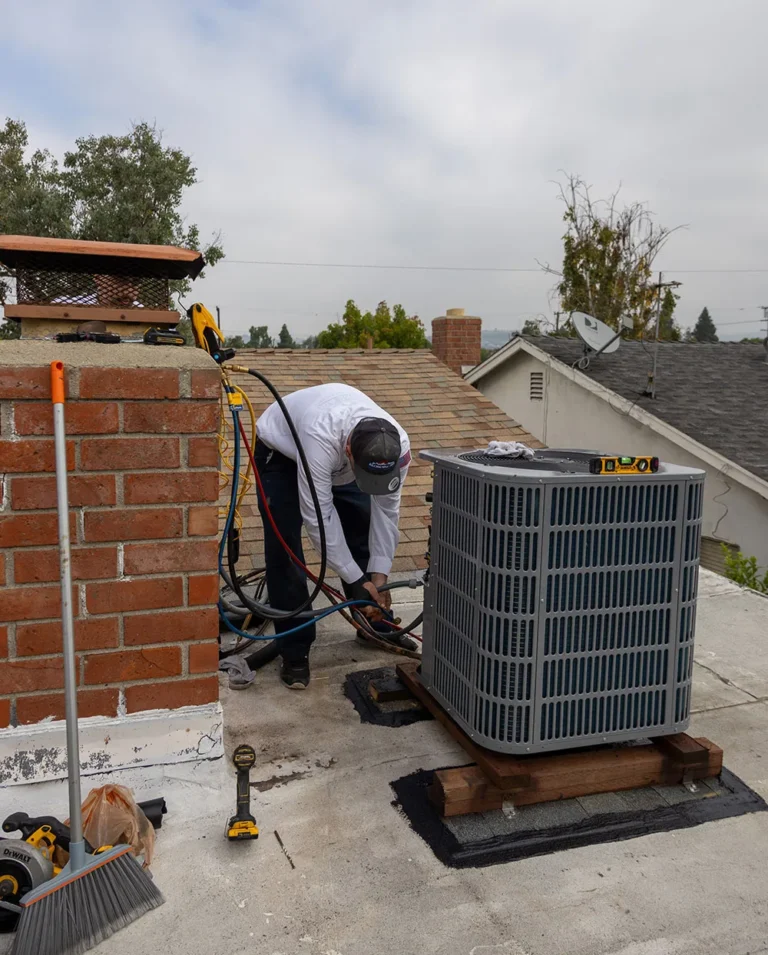
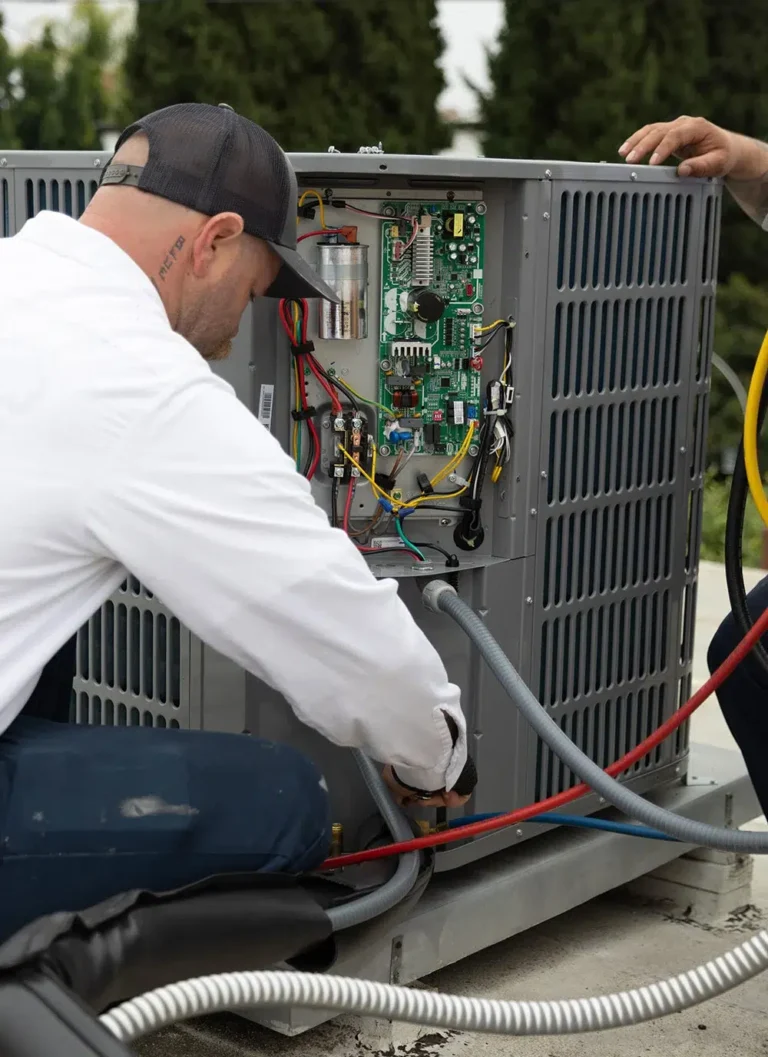
As the name suggests, ducted HVAC systems provide HVAC through a network of ducts spread throughout your home. The main components of a ducted heat pump are a condenser, a compressor, and an air handler unit, which is usually located in the basement, attic, or garage.
Ducted systems provide consistent and uniform HVAC service throughout your home. The ducts ensure that warm or cool air is distributed evenly, providing the same level of comfort across all rooms. The system also has a comprehensive air filtration system that protects your home from dust, dirt, pollen, mold, and other pollutants. When installed correctly, ducted systems offer a straightforward and cost-effective solution.
Despite their efficient operation, poor HVAC installation can lead to energy loss through duct leakage or inadequate insulation. Additionally, if an existing ductwork is unavailable, ducted HVAC systems can be invasive and costly. This system also requires regular cleaning and maintenance to prevent dust and mold buildup in the ducts.
Examples of ducted systems include split, hybrid, packaged, and zoned systems.
What Are Ductless HVAC Systems?
Unlike ducted systems, ductless heating and cooling systems do not require ductwork to move air around your house. Instead, they blow air directly into your living space, which makes them a highly efficient option. The main components of a ductless system are the outdoor unit, which comprises the compressor and condenser, the indoor unit, which is the air handler, and the refrigerant lines that connect the outdoor and indoor units.
With a ductless system, homeowners can avoid energy loss and lower utility bills. The individual zoning capability enables precise temperature control and caters to each room’s unique comfort needs.
Despite its significant benefits to home comfort, ductless systems have higher installation costs, especially if you are outfitting the entire house with multiple units. Maintenance will also be more frequent and costly because each unit has its filter, air handler, and compressor.
Key Factors to Consider When Choosing the Right System
When making a decision about ducted vs. ductless HVAC installation, the following factors will help you make the perfect choice for your home and family.
1. Home Size and Layout
The size and layout of your home can help you determine the winner in a ducted vs. ductless HVAC installation issue. Ducted HVAC systems are best for large homes with multiple rooms or commercial buildings. Meanwhile, ductless systems are better for small homes where room-by-room temperature is preferred.
2. Energy Efficiency and Cost
When choosing between ducted and ductless systems, analyze the upfront costs and the ongoing cost of operation. Ductless systems are more expensive but also have a high energy efficiency rating. The savings from this can offset the initial cost of investment. Meanwhile, ducted systems can incur high utility bills due to leaking or poorly insulated ducts.
3. Installation and Maintenance Requirements
Ducted systems require extensive installation, as ductwork needs to be laid all over your home. This can be costly and time-consuming, but it is also worth it in a larger house. They also require periodic maintenance to prevent dust, dirt, and pollen buildup in the ducts. Meanwhile, ductless systems are easy to install and require occasional servicing and filter maintenance to keep them optimal.
When to Contact a Professional HVAC Contractor
Your professional HVAC contractor should be involved in everything from planning to equipment selection and installation. At Klondike Air, our HVAC experts in Orange County will help you make the correct decision. We will consider your budget, home size and layout, and heating and cooling needs to pick the best option for your home.
Not consulting a professional before choosing your HVAC equipment can lead to complications, such as a ductless heat pump being too big or too small for your home. This will cause inefficient operation, wear and tears, higher utility bills, and eventually system breakdown.
Contact Klondike Air now for expert HVAC installation in Orange County.
Cost Comparison: Ducted vs. Ductless Systems
- Installation Costs: A ductless system costs between $4,000 and $7,000 to install. However, due to the need for more labor and specialized equipment, the cost of equipment with installation is between $7,000 and $11,000.
- Running Cost: Ducted systems have a higher running cost than ductless systems. Ducted systems service the entire home, including rooms with no occupants, and incur a considerable utility bill.
Summary of Pros and Cons
The best HVAC system for you is determined by your budget, home size and layout, and installation and maintenance costs. Ducted systems are perfect for large homes. They provide even and consistent heating across all rooms. They are cost-effective but can be inefficient due to duct issues.
Meanwhile, ductless systems are more efficient and easier to install. They have a smaller running cost and will help reduce overall utility bills and energy consumption. However, if you plan on outfitting your entire home, these systems become very expensive and have a high maintenance bill.
Contact Klondike Air HVAC installation experts now if you need more help choosing between ducted vs. ductless HVAC systems.