Summary:
Your HVAC system comprises various components that help maintain and control the temperature in your home. Understanding how these components work and their functions enables you to understand their importance and how to maintain them, saving you lots of money and stress.
Imagine your home as a comfortable oasis where the temperature is always right. This is thanks to your HVAC system, which works tirelessly to maintain a comfortable indoor climate. But have you ever stopped to think about what makes up the HVAC system components?
Your HVAC system comprises several essential components, each vital in delivering warm or cool air to your living spaces. This article will delve into the heart of your HVAC system, exploring the key components that make it tick. By understanding these components and their functions, you’ll gain a new appreciation for their complexity and be better equipped to maintain it, ensuring a cozy and comfortable home in all seasons.
Introduction to HVAC Systems
HVAC stands for Heating, Ventilation, and Air Conditioning. These mechanisms provide the basis of modern building comfort. They are intended to maintain a comfortable indoor atmosphere by regulating temperature, humidity, and air quality. HVAC systems are essential in residential, commercial, and industrial buildings for preserving occupant health, productivity, and overall well-being.
A typical HVAC system comprises various components, including heating and cooling equipment, air ducts, vents, and control systems. These components work together to:
- Control the temperature: HVAC systems maintain the temperature in your home by cooling and heating. Heating components or furnaces raise the temperature in the winter while cooling coils and refrigerants lower it in warmer climates. Consistent comfort is achieved by regulating the heating and cooling process, which is facilitated by thermostats.
- Improve air quality: HVAC equipment helps filter and purify indoor air. Filters trap allergens, dust, and pollutants that enter your private space.
- Control humidity: HVAC systems control humidity levels based on humidification and dehumidification. Dehumidification removes excess moisture, while humidification enriches your home in the dry season.
- Air movement: Home HVAC components use blowers, fans, and ductwork to promote air circulation. Conditioned air is distributed throughout the home to remove stagnant air, manage consistent temperature, and improve comfort.
HVAC systems are classified into four types: heating systems (furnaces, boilers, and heat pumps), cooling systems (air conditioning and evaporative cooling), ventilation systems (fans, blowers, and exhausts), and hybrid systems.
Key Components of an HVAC System
The following are key components of an HVAC system:
1. Heating Components
The heating components of your HVAC system are critical throughout the colder months. They offer warmth, keeping your home cozy. The heating system often employs a furnace or boiler and runs on a variety of fuels, including electricity, natural gas, or oil. Its principal duty is to generate and transmit heat around your home using duct pipes.
The heating components include the following:
- Furnace: Produces heat through combustion or electric resistance.
- Heat pump: Provides both heating and cooling by reversing the refrigeration cycle.
- Boiler: Generates heat through water circulation.
- Heat exchanger: Transfers heat from the furnace or boiler to the air or water.
- Coils: Contains the refrigerant that absorbs or releases heat.
- Burner: Converts fuel into heat energy in a furnace.
- Heat vents: Distribute warm air from the furnace or heat pump to the building.
- Igniter: Ignites the fuel in a furnace or boiler
2. Ventilation Components
The ventilation components are vital parts of the HVAC system. They ensure that air circulates efficiently through the indoor environment, contributing to inner home comfort and air quality. This section of your HVAC system includes air filters, ventilation ducts, and registers. Each plays a vital role in distributing, regulating, and filtering airflow in your home.
Some parts of the ventilation components are:
- Ductwork: They are the passageways through which air is distributed throughout your home.
- Exhaust fans: Removes stale air and moisture from your home.
- Air filters: Cleans the air of dust, pollen, and other particles.
- Humidifiers and Dehumidifiers: Humidifiers add moisture to the air for comfort and health, while dehumidifiers remove excess moisture.
- Grilles and registers: Directs airflow into occupied spaces.
3. Air Conditioner Components
The air conditioning components of your HVAC offer relief in hot weather by lowering indoor temperatures and removing excess humidity. This component generally comprises the compressor, condenser coils, evaporator coils, and more.
- Compressor: The compressor pressurizes the refrigerant gas, transforming it into the heat that flows into the condenser coil.
- Condenser coils: Releases heat from the hot refrigerant gas to the outside air.
- Evaporator coils: They absorb heat from your home, transfer it to the refrigerant, and expel it outside.
- Expansion valve: Reduces pressure and allows refrigerant to expand.
- Refrigerant: Transfers heat between the indoor and outdoor units.
4. Control Systems and Sensors
These components ensure precise and efficient operation of the HVAC system. They help maintain home comfort and indoor air quality while ensuring optimal energy usage. Control components include:
- Thermostat: Monitors and controls indoor temperature, signaling the system to heat or cool as needed.
- Contactors: Controls the flow of electricity to the system components.
- Timers: Controls system operations based on time schedules.
- Direct Digital Control (DDC) systems: Uses sensors and algorithms to optimize system performance.
- Flow sensors: Measures airflow or water flow rate.
- Level sensors: Monitors refrigerant or water levels.
5. Auxiliary Components
Some auxiliary parts of the HVAC system include:
- Valves: Controls flow rate, pressure, and direction in HVAC systems.
- Actuators: Converts electrical signals into mechanical motions to operate valves and dampers.
- Dampers: Regulates airflow in ducts and vents.
- Diffusers: Distributes air evenly throughout a room.
- Vibration isolators: Reduces noise and vibration from HVAC equipment.
HVAC Components that May Require Regular Replacement
The following are some HVAC system components that may need regular replacement:
1. Air Filters
Regular air filter replacement or maintenance is crucial to maintaining the efficiency of your HVAC system and indoor air quality. Neglecting this can lead to more severe issues, including clogged filters, increased energy consumption, poor airflow, contaminated air, and unnecessary wear and tear on your HVAC system. You should replace your air filters every 3 to 6 months to maintain efficiency.
2. Capacitors and Contactors
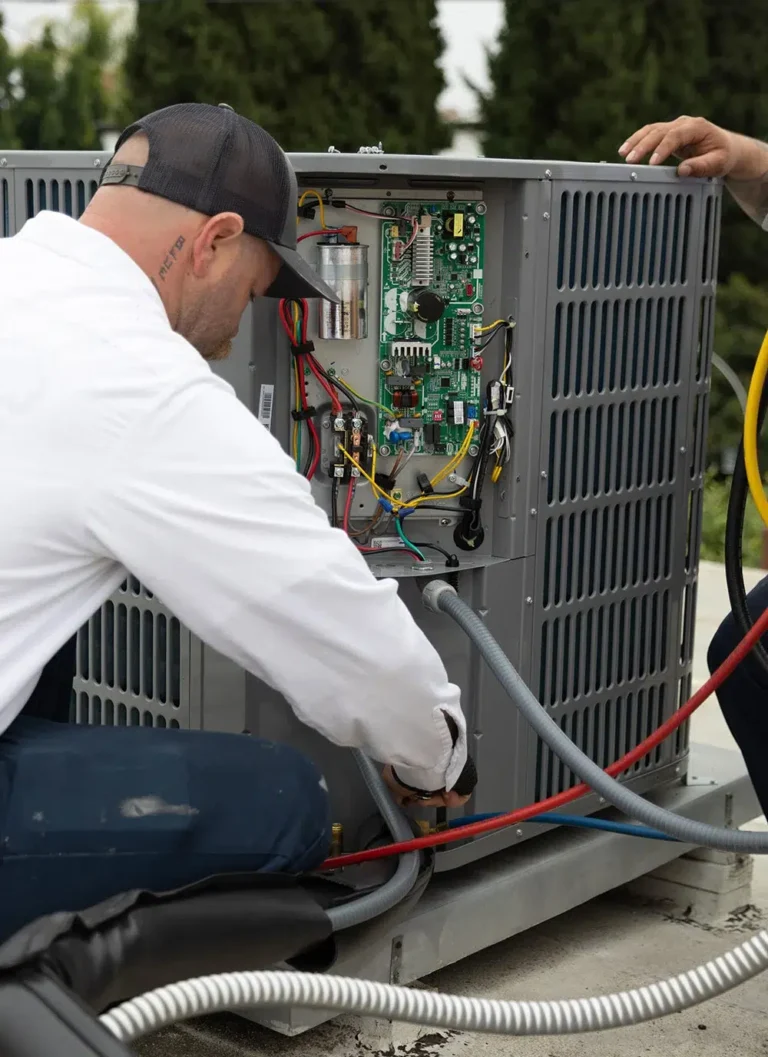
Your capacitors and contactors regulate the power to the system; the start capacitor gets it going while the run capacitor keeps it running. However, these components are subject to high voltage and heat. When something goes wrong with your HVAC system, you should look for the capacitor, as it is one of the common culprits.
3. Blower Motor
The blower motor is the hardest-working component in your HVAC system—it runs in cold and warm seasons. Since this component operates for more hours than any other part, it incurs more wear and tear and may be the first component needing replacement.
4. Compressor
The compressor is another HVAC component with a heavy workload. A common cause of compressor failure is when the refrigerant gets out of balance. Too little refrigerant causes the compressor to overheat and eventually seize, while too much refrigerant floods it and encourages slugging. Regular replacement and maintenance can detect and solve your compressor problems.
5. Evaporator Coils
The evaporator coil is an essential air conditioner component. It absorbs heat from your home and helps maintain indoor temperature. Dust and dirt often accumulate on damp coils, lowering their effectiveness. This situation can lead to mold growth and corrosion, damaging the coils and allowing the refrigerant to leak. Regular cleaning and replacement ensures the coils are in perfect form and able to work well.
The best way to maintain your HVAC system is with Klondike Air’s Gold Club.
Gold Club includes semi-annual tune ups to keep your system running cleanly & safely, priority service, no diagnostic fees, 10% off repairs and upgraded services throughout the year, & more!
Conclusion
Maintenance of HVAC system components is critical to ensuring home safety and comfortable indoor temperature. While most of these components are in the system and will require professional assistance to keep them in top shape, you should also monitor performance and listen to strange or weird sounds that may indicate malfunction. You must regularly replace parts of the HVAC system to maintain optimal performance. For quality HVAC maintenance, contact Klondike Air now.