Summary:
- The average cost of an HVAC replacement in Irvine ranges from $8,000 to $20,000.
- Cost drivers include type and size of the system, energy efficiency ratings, condition of existing ductwork, installation difficulty, and permit fees.
- Budget tips to consider include comparing quotes from two to three licensed contractors, exploring rebates, and evaluating financing options.
Table of Contents
Introduction
Your HVAC system keeps you healthy by preventing harmful allergens and bacteria from entering your home. However, HVAC systems don’t last forever, and at some point, you will have to replace yours.
If you are a homeowner in Irvine, understanding HVAC replacement cost is essential when planning for a system upgrade. Costs vary significantly depending on the type of system, the condition of your current setup, and specific factors unique to homes in the HVAC Irvine area.
In this blog, we will discuss what goes into HVAC installation, key cost drivers, and how to make the most informed decision for your comfort and budget.
The Basics of HVAC Replacement
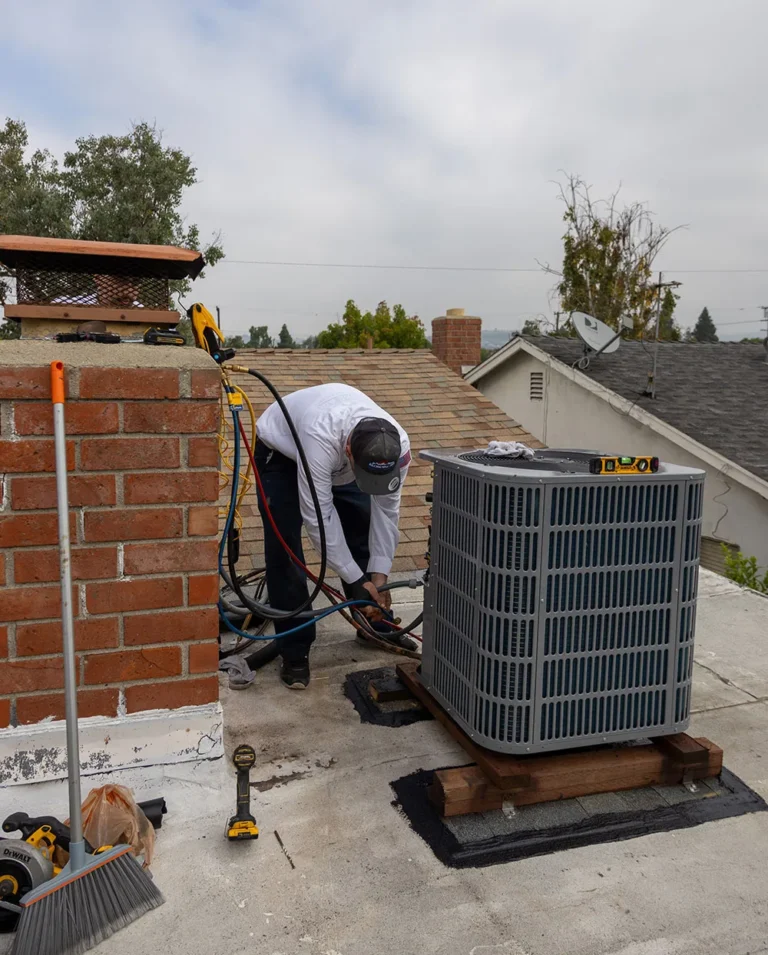
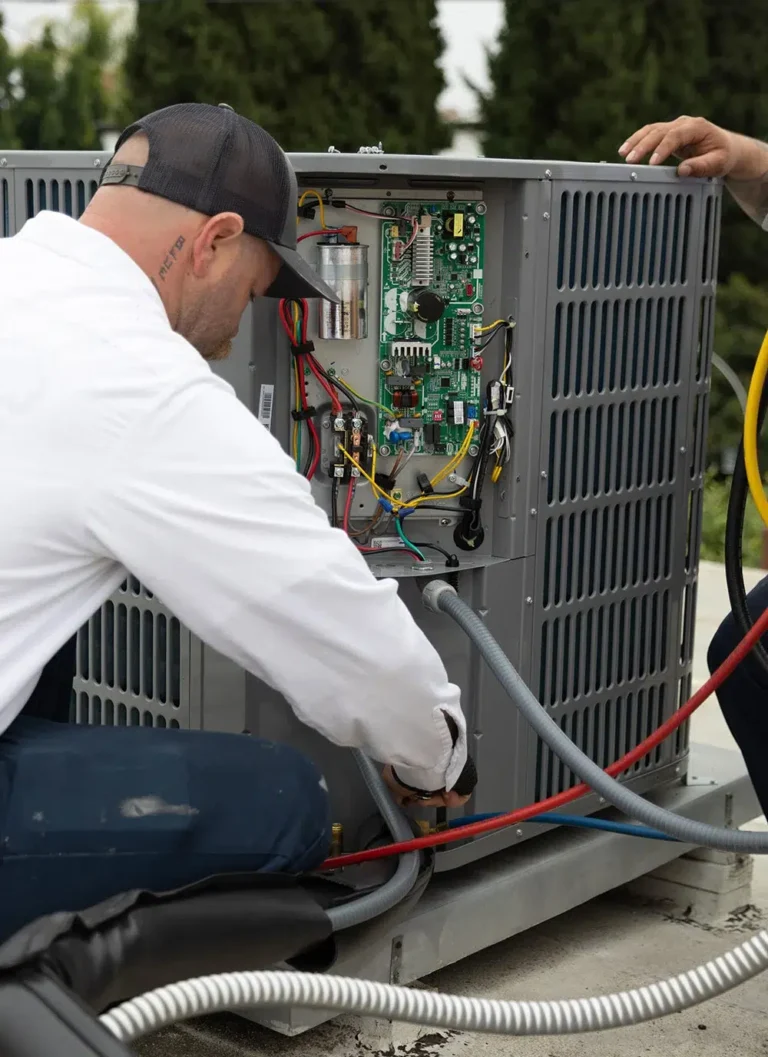
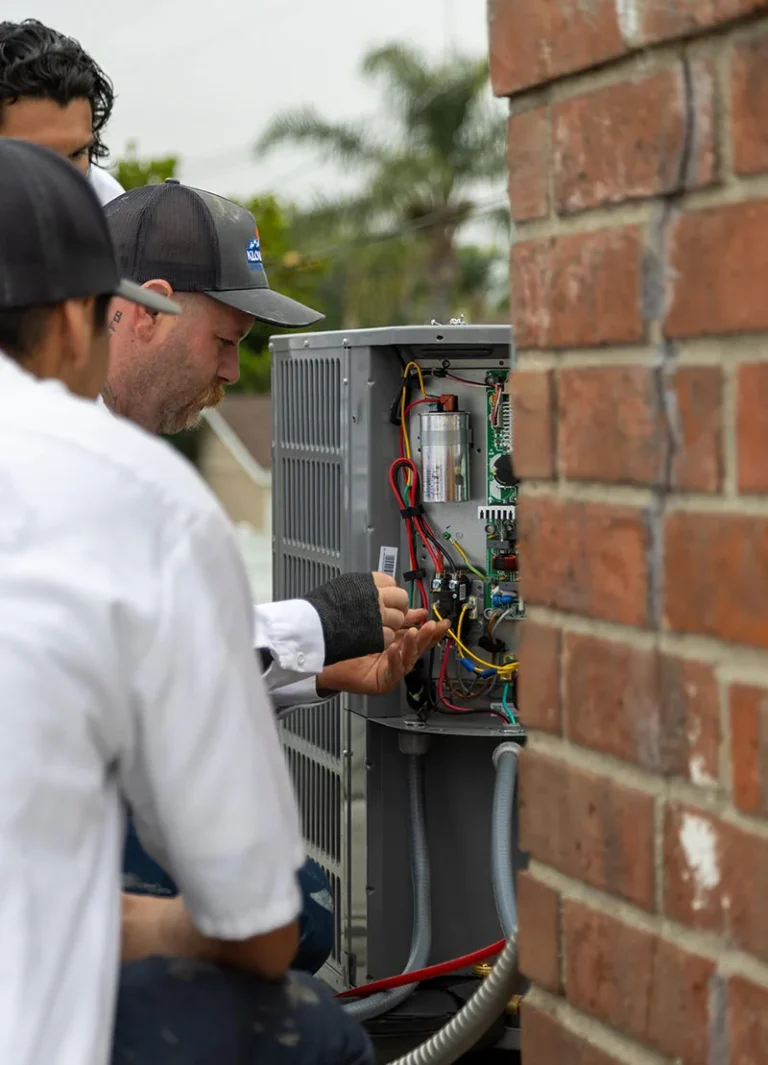
Replacing an HVAC system is more than just swapping out old equipment; it is a complex process. Here is what to expect from a typical HVAC installation project in Irvine:
1. What Is Included in an HVAC Replacement?
A complete HVAC system replacement typically includes:
- Initial Assessment and Consultation: You begin by scheduling a consultation with a licensed HVAC contractor. During this visit, the contractor will evaluate your current system, discuss any issues or concerns, and assess your home’s heating and cooling needs. This might involve inspecting ductwork, insulation, and the layout of your home.
- Manual J Calculation: Your technician will conduct a manual J load calculation to determine your precise heating and cooling requirements. This involves analyzing factors such as square footage, insulation, window placement, and the local climate information to ensure your system is appropriately sized for maximum efficiency and comfort.
- Selecting the Right System: Based on the initial assessment, your contractor will recommend HVAC systems that meet your temperature needs. This step involves discussing options such as energy efficiency, brand preferences, and additional features, including thermostats and air purifiers.
- Scheduling Installation: After selecting a system, your contractor will schedule the installation. The installation process involves removing the old system, upgrading or repairing the ductwork, installing a new thermostat, and adding additional insulation as needed.
- System Testing and Calibration: After installation, your technician will thoroughly test the new installation to ensure it is operating correctly. This includes checking airflow, refrigerant levels, thermostat settings, and overall system performance.
2. Signs Your HVAC Needs Replacement Instead of Repair
Sometimes, a repair is not enough. Here are some signs that it is time to replace your HVAC system:
- Your System is 10+ Years Old: Most HVAC systems have a lifespan of 10 to 15 years. If your system is within this age range or older, it’s time to evaluate its efficiency and consider a replacement. Older systems are more prone to breakdowns and less energy-efficient.
- Blowing Warm Air: Your HVAC system’s primary job is to keep your home comfortable. If your system is blowing hot air instead of cool air in the summer, then you know that something is wrong. It could be a problem with the compressor or refrigerant level. You can easily resolve this by investing in an energy-efficient system.
- Frequent Repairs: If you find yourself calling for repairs frequently, it may be more cost-effective to invest in a new system instead of trying to fix an outdated one. Additionally, frequent maintenance can add up and impact the efficiency and lifespan of your equipment.
- Rising Energy Bills: An increase in your energy bills without a corresponding increase in energy usage is a sign that your HVAC system is no longer efficient. As your system ages, it gradually loses efficiency and struggles to meet your temperature requirements, resulting in higher energy consumption and increased energy bills.
- Strange Noises or Odors: Unusual sounds or smells from your system are a sign of a serious problem. Familiar sounds include rattling, clanging, hissing, or grinding sounds. These point to potential broken or loose components. At the same time, unusual odors could be a result of mold growth or electrical problems.
Key Factors That Influence HVAC Replacement Cost
Several factors can influence the cost of replacing an HVAC unit, including the type and size of the system, its energy efficiency, ductwork modifications, and installation complexity.
Type of HVAC System
In the HVAC industry, the cost of a new system is greatly influenced by the type of system you have chosen. For example, the cost to replace central HVAC unit varies significantly compared to other options, such as ductless mini-splits, heat pumps, or zoned systems.
System Size
HVAC size refers to its cooling capacity. When choosing the right system for your home, you should have your technician perform a Manual J load calculation, which helps determine the right size of system you need. This calculation considers several factors, including square footage, size, number of windows and doors, number of occupants, overall humidity, and the direction your house faces.
The larger the system required, the more expensive the HVAC replacement cost will be.
Energy Efficiency Ratings
The Seasonal Energy Efficiency Ratio (SEER) is a measure of an AC system’s output performance. Most air conditioners have a minimum SEER rating of 14, while newer models have ratings of 25 or higher.
The Annual Fuel Utilization Efficiency (AFUE) rating estimates the percentage of energy a gas furnace converts into usable heat. Most furnaces have an 80% AFUE rating, with top-tier units reaching up to 97%.
In terms of cost, the higher the efficiency rating, the more costly the unit is and the greater the energy savings.
Condition of Existing Ductwork
If your ductwork is outdated, leaking, or improperly sized, it may need sealing, resizing, or full replacement. This adds significantly to the cost of replacing HVAC system. Additionally, ductwork modifications such as installing a second air supply or a return air drop require time and materials, which add to the cost of your HVAC system replacement project.
Installation Complexity
When determining the cost of an HVAC system replacement, it is essential to factor in the location and accessibility of your system. For example, if your system is located in hard-to-reach areas, such as an attic or basement, it will cost more than if it were located in a garage or an easily accessible location.
Most Irvine homes, especially the older ones or those in hillside neighborhoods, have layouts that make installations complex and expensive.
Permits and Code Requirements
In Irvine, permits are required for the replacement of HVAC systems. Contractors must meet Title 24 energy standards and pass final city inspections to complete the project. Permit fees, code compliance upgrades, and inspection delays can all add to your project’s cost.
Additional Considerations and Hidden Costs
Adding extra features or upgrades to your HVAC system can significantly increase the overall installation cost. Some standard upgrades include:
- Programmable or smart thermostats: These devices can help you manage your home’s temperature more efficiently, but they come at an additional cost.
- Zoning systems: Zoning allows you to control the temperature in each room of your home independently. While it is helpful in large homes, it will also increase your installation cost.
- Air purification systems: If you want to improve air quality, you can have an air purifier installed with your HVAC system, which will add to the overall installation cost.
- Electrical upgrades: New high-efficiency systems may require upgraded breakers or wiring. If your current electrical panel cannot handle the load, you will need a panel replacement or upgrade, which will cost you extra money.
How to Budget for Your HVAC Replacement?
HVAC replacement costs in Irvine range from $8,000 for basic systems to over $ 20,000 for high-efficiency, custom setups. Here is how you can budget for your system replacement:
- Start with a Detailed Estimate: Get at least 2-3 quotes from licensed HVAC contractors who are familiar with Irvine’s building codes and permitting codes. A detailed estimate should include equipment costs, labor, permits and inspections, ductwork or upgrades, and other relevant expenses.
- Factor in Efficiency: High-efficiency systems may cost more initially but reduce monthly energy bills and may qualify for rebates. Use tools like energy savings calculators or ask your contractor for long-term comparisons.
- Check for Local Rebates and Incentives: Programs like TECH Clean California and Energy Upgrade California, as well as utility providers such as Southern California Edison, often offer rebates for high-efficiency HVAC upgrades. Your contractor can assist you with the application process.
- Explore Financing Options: At Klondike Air, we offer several financing options, including one with zero payments for 12 months and low monthly payments on approved credit cards.
- Compare Maintenance Plans: Consider extended warranties or service agreements that can protect your investment and provide peace of mind. Some plans include annual tune-ups and discounted repairs.
Choosing the Right Contractor for HVAC Replacement
Choosing the right contractor is just as important as choosing the right system. Here are a few tips for choosing the right one:
- Verify licensing and insurance through the California State License Board (CSLB).
- Prioritize local expertise as they know how to navigate local building codes, HOA guidelines, and California Title 24 standards.
- Read customer reviews on Google, Yelp, and Nextdoor.
- Compare quotes, warranties, and service plans to find the best option for you.
- Don’t go for the lowest or unrealistic bids.
End Note
Replacing your HVAC system can significantly impact the level of comfort, energy consumption, and your utility bills. Despite the significant HVAC replacement cost, a high-efficiency unit will pay for itself through energy savings, reduced maintenance and repair costs, and local rebates.
By working with a trusted HVAC contractor in Irvine, you’ll receive a code-compliant, energy-efficient installation, along with the peace of mind that your installation was done correctly. Schedule a system evaluation today!