Summary:
- Regularly cleaning your AC coils is important. It is one of the best ways to keep your air conditioner running efficiently.
- Dirty coils make it harder for the system to transfer heat. It strains the unit and increases energy consumption.
- Coil cleaners come in three main types. Foaming, non-foaming, and eco-friendly.
- The cleaning process is simple but requires care.
- Safety precautions are essential. Wear protective gear, work in a well-ventilated area, read product instructions, never mix cleaners, and store products properly.
- Cleaning should be done every 3–6 months to prevent dirt buildup and maintain peak performance.
Introduction (Understanding AC Coils)
One of the most important things you can do to keep your air conditioner functioning efficiently is to clean the coils. Without proper AC cleaning, your AC coils will be unable to transfer heat effectively, causing your system to work harder and use more energy.
An AC coil cleaner is a simple but effective tool for removing dirt, dust, and grime that builds up on coils over time. Coil cleaning is an essential AC maintenance task, especially in Orange County, where the hot summer pushes your cooling system to its limits.
Regular coil cleaning is also essential for indoor air quality and the lifespan of your cooling system. This article is a guide to the types of coil cleaners available, how to use them, and safety precautions for DIY homeowners.
Types of AC Coil Cleaners
When it comes to AC cleaning, the type of AC coil cleaner you choose can make a big difference in the results. Coil cleaners are categorized into three types: foaming, non-foaming, and eco-friendly options. All work in different ways.
1. Foaming
Foaming coil cleaners expand into a thick foam when sprayed. They are designed to develop and penetrate tight spaces, like the fins of an AC coil, to break down grime and stubborn dirt. These types of cleaners often require rinsing after application to remove dissolved dirt and the cleaning solution.
You should use foaming coil cleaners when you have an oily or greasy buildup on your coils or if it has been a while since your last AC maintenance. However, this type of cleaner can be corrosive if not properly rinsed.
Examples of foaming coil cleaners include Simple Green Foaming Coil Cleaner and Frost King ACF19.
2. Non-Foaming
Non-foaming coil cleaners are liquid-based solutions and designed to break down dust and grime without expanding into foam. They are suitable for lighter cleaning needs or routine coil maintenance.
Many non-foaming cleaners are self-rinsing. This means the condensation from your AC will naturally wash away the loose dirt and grime. Non-foaming solutions are also considered safer for DIY use as they are less likely to cause damage if not rinsed thoroughly.
A notable example of non-foaming coil cleaners is ComStar Coil Safe.
3. Eco-friendly options
Eco-friendly AC coil cleaners are biodegradable and free from harsh chemicals. They are safer for the environment, indoor air quality, and homes with children and pets. However, this solution may require heavy scrubbing for effective AC cleaning.
|
Cleaner Type |
Key Benefits |
Best For |
Rinse Required |
Eco-Friendly Options |
|
Foaming |
|
|
Yes |
Available |
|
Non-Foaming |
|
|
Sometimes |
Yes |
|
Eco-Friendly |
|
|
Sometimes |
Always |
Step-by-Step: How to Use Coil Cleaner Safely
AC coil cleaning is not complicated, but it does require care to protect your unit and ensure your safety. Here are some tips on using coil cleaners safely:
1. Turning off the power
Before starting coil cleaning, switch off the power at the thermostat and circuit breaker. This keeps you safe and protects your system.
2. Accessing the coils
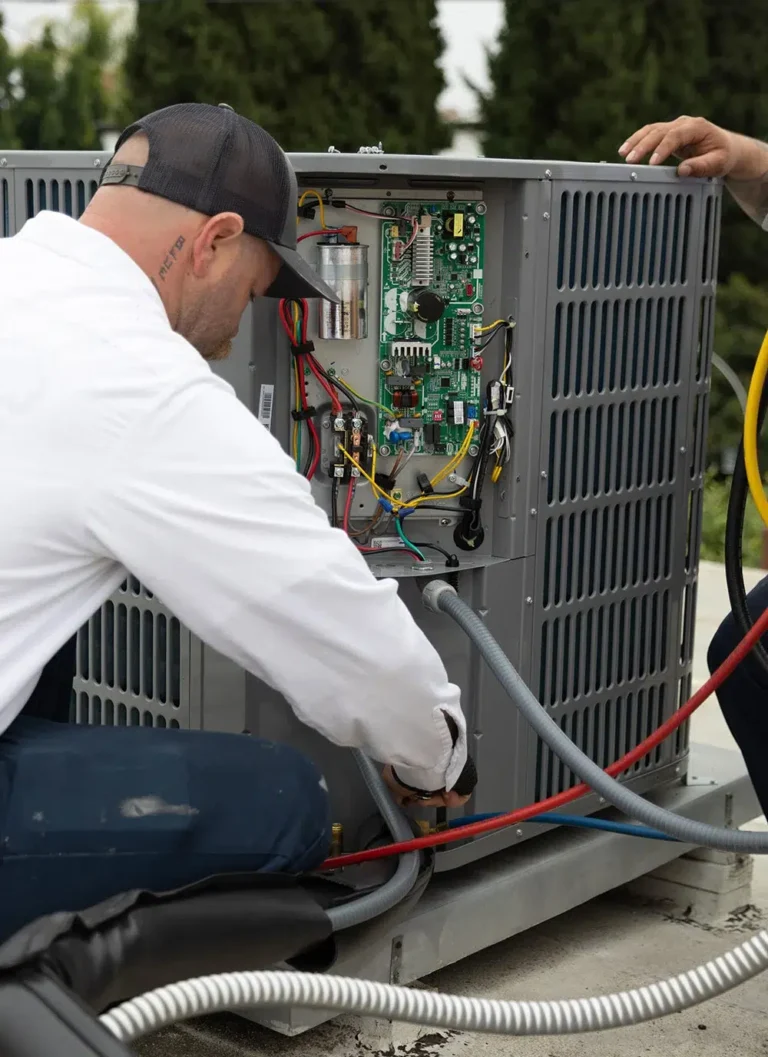
Using a screwdriver, remove the front panel of your indoor unit or the casing of your air handler to access your evaporator coils. For outdoor units, remove the top or side panels to access the condenser coils.
3. Applying cleaner and rinsing
Pick a cleaner that is safe and compatible with your unit. Spray the product evenly across the coil’s surface. Let it sit for 5 to 10 minutes so it can break down the dirt. If you’re using a foaming cleaner, rinse thoroughly after application. Eco-friendly and non-foaming cleaners are self-rinsing.
Safety Precautions
Using an AC coil cleaner is straightforward, but you are working around electrical components and chemicals. The slightest mistake can put you at significant risk and damage your HVAC system. Here’s how you can avoid common accidents:
- Turn off the power before starting. This helps avoid electrical accidents.
- Use personal protective equipment (PPE): Always wear gloves, safety googles, a mask or respirator, to protect your hands from chemical burns, eyes from splashes, and your respiratory system from fumes.
- Work in a well-ventilated area: Ensure proper ventilation when using coil cleaners, especially indoors. Consider using a fan to improve air circulation. And if ventilation is not enough, wear a respirator.
- Rinsing: Use a gentle spray of water to rinse off the cleaner. Avoid using a high-pressure washer as it can bend or damage the coils and aluminium fins.
- Read the labelling: Check the labels for precautions and safety tips. Only use cleaners that are labelled as safe for HVAC use to prevent corrosion.
- Never mix: Don’t mix different brands of coil cleaner or use with other chemicals unless specified by the manufacturers. Doing this can result in unexpected chemical reactions, putting you in danger and potentially damaging your system.
- Proper storage: Store in a cool, dry place, away from heat, sparks, and open flame. Store your cleaners according to manufacturers’ guidelines.
- Disposal: Dispose of empty bottles according to local regulations and keep away from the reach of children and pets.
Mistakes to Avoid When Cleaning AC Coils
Even the smallest mistake can cause damage and reduce the effectiveness of AC cleaning. Avoid these mistakes to keep your system in top condition:
1. Skipping the Power Shutdown
Always disconnect the power supply to your AC before cleaning the coils to prevent electric shock and equipment damage.
2. Using High-Pressure Water
Avoid using high-pressure washers or hoses, as the force can bend or damage the delicate fins of the coils. Instead, use a garden hose with a gentle spray or a specialized coil cleaner for AC units.
3. Neglecting Regular Coil Cleaning
Dirty coils reduce airflow and cooling efficiency, leading to increased energy consumption and potential system failure. You should clean your AC coils every 3-6 months to prevent dust buildup and ensure optimal performance at all times.
4. Using Harsh Chemicals
Avoid using harsh chemicals like bleach or strong degreasers as they corrode the coils, especially those made of aluminium. Only use cleaning products recommended by the manufacturer or specifically designed for AC coils.
5. Overusing Coil Cleaner
Applying too much of the cleaner can leave residues that attract dirt or even cause corrosion. Follow the manufacturer’s instructions regarding proper application and rinsing.
6. Forgetting to Dry the Coils
Always allow the coils to dry completely before restoring power to the unit. Damp coils can lead to mold growth, poor indoor air quality, and corrosion.
7. Using the Wrong Tools
Avoid using abrasive tools like wire brushes or harsh sponges, as they can damage the fins. Instead, use soft brushes to avoid permanent damage.
8. Ignoring Surrounding Debris
Remove any debris, leaves, or other obstructions around the AC unit before and after cleaning the coils. This prevents dirt from being pushed into the unit when cleaning.
End Note
Using the right AC coil cleaner and following proper steps can make a big difference in the efficiency, performance, and lifespan of your air conditioner. However, while coil cleaning itself is fairly straightforward, a small mistake can easily put you in danger and damage your equipment.
When tackling dirty coils, you must ensure you’re wearing protective cover to prevent chemical burns, eye splashes, and toxic fumes. Also, stay in a well-ventilated area, don’t mix the chemicals, and make sure the power is shut off.
Whether you are handling your AC cleaning yourself or scheduling professional AC maintenance in Orange County, regular coil care prevents dirt buildup, improves airflow, and helps your system handle the tough summer demands. Contact us for more guidelines on DIY cleaning and safety tips