Summary:
Regular heater maintenance is key to maintaining clean indoor air and a healthy family. This article explores the various ways that your heater contributed to indoor air quality and the risks involved.
Introduction
Your heater is a critical component of the HVAC system. It regulates room temperature and the quality of air we breathe at home. However, your heater is highly vulnerable to pollutants such as dust, pollen, allergens, and mildew, all of which can cause respiratory difficulties.
With proper heater maintenance, you can protect indoor air quality and also keep your home safe from bacteria and other pollutants. This article examines the connection between regular heating service and indoor air quality.
Let’s begin.
Understanding Indoor Air Quality
Indoor Air Quality (IAQ) refers to air quality within and around your home, especially regarding the health and comfort of guests and families. Understanding indoor air quality is critical to maintaining a healthy and comfortable living or working environment. Indoor air quality can be influenced by factors such as a lack of ventilation, fluctuations in temperature and humidity, and contaminants.
How Heating Systems Impact Indoor Air Quality
Your heating system contributes significantly to indoor air quality. It accomplishes this by drawing in air from outside, filtering and processing it, and distributing it throughout your house. The regular circulation and flow of air prevent the accumulation of pollutants and dangerous substances in your home. To be effective in its role, your heater must be well-maintained and operated under appropriate conditions.
Some ways that your heating system can affect indoor air quality include:
- Particulate matter (PM) emission: Furnaces, boilers, and space heaters can release PM into the air, exacerbating respiratory issues like asthma.
- Carbon monoxide (CO) production: Improperly maintained or vented heating systems can emit CO, a colorless, odorless gas that can be fatal in high doses.
- Moisture generation: Heating systems can produce excessive moisture, resulting in mold growth and humidity difficulties.
- Air circulation: Heating systems can move air around, potentially spreading pollutants and allergens.
- Filter bypass: If filters are not correctly installed or maintained, they might allow pollutants into your living environment.
The Role of Heater Maintenance in IAQ
Proper heating setup ensures your system operates efficiently and effectively, leading to a healthier living environment. Here is how adequate heating maintenance services can affect indoor air quality:
1. Effective Air Filtration
Heating system maintenance guarantees that your system has high-quality air filters. These filters trap dust, allergies, and other airborne particles, keeping them from spreading throughout your home. Cleaner air decreases respiratory problems and enhances overall air quality.
2. Optimal Humidity Control
A well-built heating system helps to keep humidity levels consistent. This equilibrium prevents excessive dryness or dampness, which can result in mold growth or dry skin. Maintaining optimum humidity levels improves home comfort and promotes a healthier indoor environment.
3. Reduced Air Leakage
Professional heating services include repairing air leaks around ducts and vents. This keeps contaminants out of your home and conserves conditioned air. Reducing air leakage increases both efficiency and indoor air quality.
4. Improved Ventilation
Optimal heating maintenance promotes air circulation, minimizes stale air, and brings fresh air into your home. This improves indoor air quality by minimizing the buildup of contaminants.
5. System Efficiency
A well-maintained heater will run more effectively, decreasing overheating and associated pollution issues. Lower energy use translates to fewer emissions, resulting in a healthier home and a better environment.
Common Heater Issues That Affect Indoor Air Quality
The following are some heater issues that can affect the quality of air you breathe at home:
1. Leaky Ducts
Duct leaks lead to system inefficiency and allow pollutants and other harmful substances to enter your home.
2. High Humidity
Clogged filters and coils cause high humidity in your home. High humidity makes your home feel stuffy and hotter than it is. It also promotes the growth of viruses, bacteria, fungi, mold, and other pollutants. Too little moisture, however, can cause respiratory problems, dry skin, and itchy skin.
3. Poor Ventilation
Dirty fans and clogged filters can affect the flow of air. When indoor air becomes stagnant, your home feels stuffy, and contaminants that have worked their way into your space will not escape.
Neglected Furnace Repair and Maintenance
Poor furnace maintenance is more than just an inconvenience; it can destroy the air quality in your home, resulting in poor health and aggravated allergies. A faulty furnace will have problems filtering dust, screening allergens and pollens, and keeping molds away from your home. Additionally, as your furnace heat exchangers expand and crack over time, they can release carbon monoxide into your home, posing a significant risk to your family’s health and long-term safety.
Benefits of Regular Heater Maintenance for Indoor Air Quality
Regular heating maintenance can significantly improve indoor air quality in several ways, including:
- Reduced particulate matter (PM) emissions
- Minimized carbon monoxide (CO) production
- Lower volatile organic compound (VOC) release
- Improved moisture control, reducing mold growth
- Enhanced air circulation and filtration
- Decreased combustion byproducts
- Cleaner ductwork and reduced contaminant spread
Creating a Maintenance Plan
Here is a detailed heating system servicing plan for your home:
Monthly:
- Check air filters (replace if needed)
- Inspect and clean heating vents/registers
- Verify thermostat settings
Quarterly:
- Inspect and clean burners
- Check igniter and ignition system
- Verify proper combustion
Bi-Annually:
- Inspect the heat exchanger and venting system
- Clean the condenser coils
- Check the refrigerant levels
Annually:
- Schedule professional maintenance
- Inspect and clean ductwork
- Check electrical connections
- Lubricate moving parts
- Inspect and replace worn parts
Additional Tips
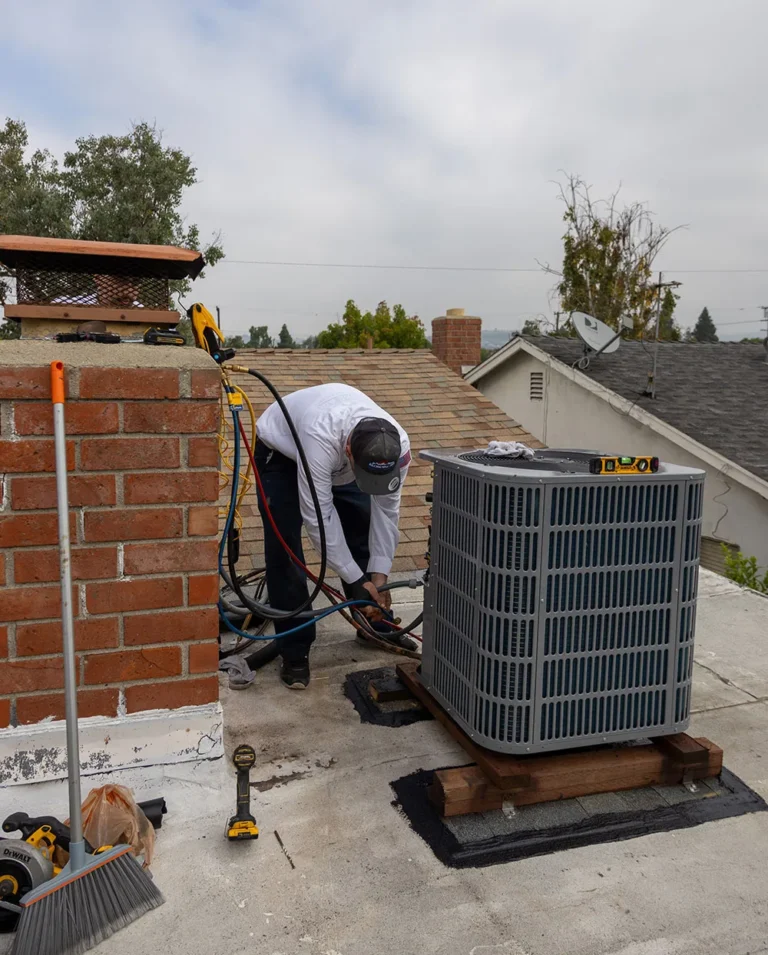
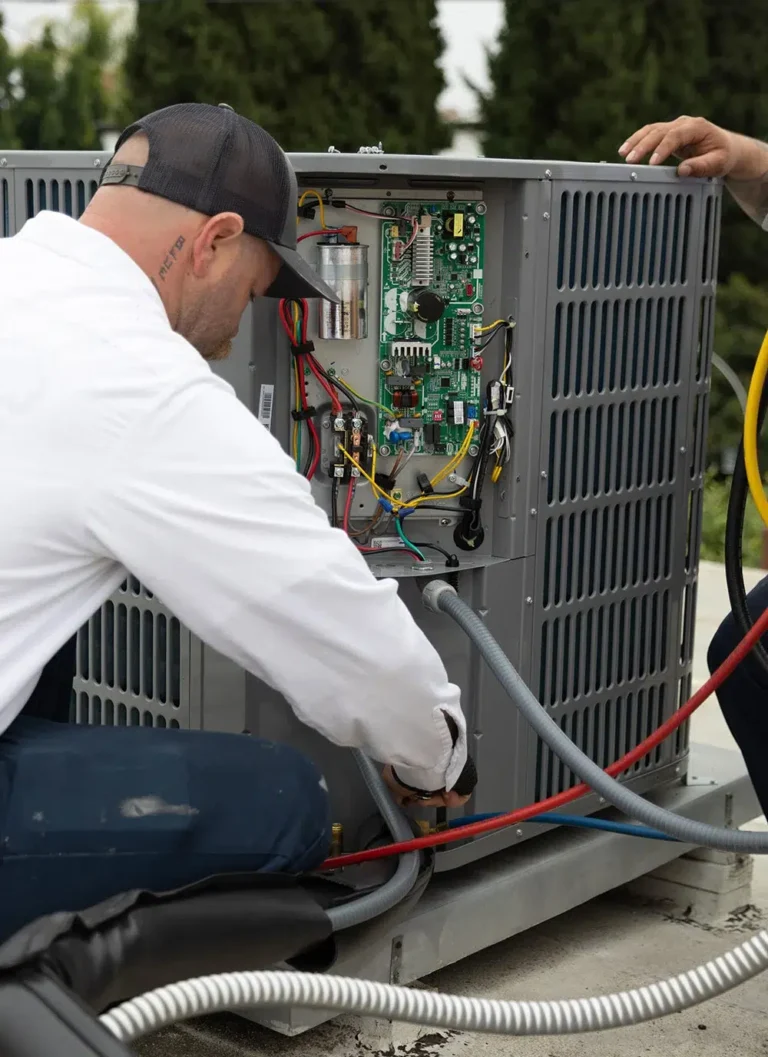
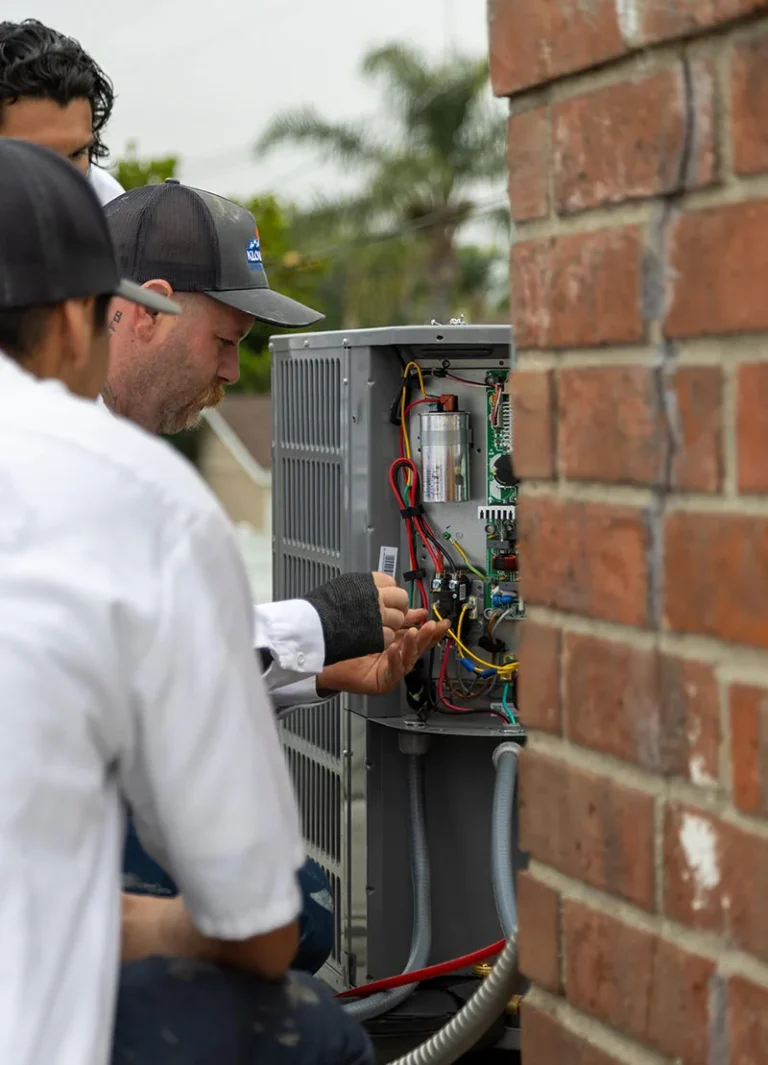
Heater maintenance is crucial to home comfort, meaning any mistake can seriously compromise family health and comfort. This is why you must consult a professional heater contractor for regular maintenance schedules—Klondike Air heating specialists over personalized heater tune-ups and maintenance across all seasons.
Conclusion
Heater maintenance is essential in maintaining home comfort and enhancing indoor air quality. While your heater helps regulate home temperature, it also filters pollutants, keeping your home safe from the buildup of pollen, allergens, dust, mold infestation, and more. A poorly maintained heater breeds bacteria and mold and leads to carbon monoxide contamination, causing severe health issues. You can safeguard the air quality in your home and ensure your family’s health by contacting Klondike Air heating experts for regular heater tune-ups and inspections.