Summary:
Your heating system is essential for maintaining home health and comfort. When it breaks down, repairing or replacing damaged components is usually exorbitant. This article helps you understand the importance of regular heating system service and how to ensure your heater operates at optimal efficiency for a long time.
Introduction
The average heating system lasts 10 to 20 years. Some people, however, have been known to get over 25 years out of their heaters. While that might seem like a long time, it is not uncommon for homeowners to have changed their heating system once or twice during this duration.
So, why this uncommon life expectancy? It is largely due to proper care and maintenance. With professional heating system service, you can expect an additional 5 to 10 years from your heating system.
This article examines the importance of regular heater maintenance and suggests tips to improve the operation and lifespan of your home heater.
Let’s begin.
Understanding Your Heating System
Your heating system is intended to raise the temperature in your home, bringing warmth and comfort to your guests and family. The heating system is often made up of multiple components, including:
- Heat Source: This could be a furnace, boiler, heat pump, or an electric heating element.
- Distribution system: This transports the heat from the source to various parts of your home using ductwork, pipes, or radiators.
- Controls: These regulate the system’s operation, including temperature sensors, thermostats, and valves.
- Fuel source: Natural gas, propane, oil, electricity, or renewable energy sources like solar or geothermal.
Understanding your heating system allows you to properly maintain it, troubleshoot problems, and maximize its performance, resulting in a longer lifespan.
Importance of Regular Maintenance
1. Enhanced Energy Efficiency
One of the most significant benefits of regular heating maintenance is increased energy efficiency. When your system is in good working order, it uses less energy to heat your house, lowering utility bills and decreasing wear and tear from excessive strain. This is especially useful during the cold months when heating needs are at their peak.
2. Improved Indoor Air Quality
Over time, your heating system accumulates dust, dirt, pollen, and allergens. Without regular maintenance, these contaminants will enter your home and aggravate or cause respiratory illnesses, allergies, and other health problems. Maintenance to improve air quality involves cleaning or replacing the air filters to ensure there is no debris or dust buildup in the system.
3. Extended Equipment Lifespan
Heating systems are a substantial investment, and regular maintenance helps ensure that they function for a long time, assisting homeowners in saving thousands of dollars in the process. Heating maintenance reduces wear and tear on your heating system and ensures that minor issues are caught and fixed early before they become significant and more serious. Simple procedures such as calibrating and oiling moving parts help to avoid premature breakdowns and replacement expenses.
4. Lower Repair Costs
Regular heater maintenance helps to lower your long-term repair costs. When detected early, minor flaws are easier and less expensive to correct than problems that go unnoticed, eventually leading to system failure and a more expensive repair.
5. Improved Comfort Control
Heater maintenance ensures that your heating systems respond precisely to thermostat settings, giving you greater control over your home’s temperature and comfort. When your system is properly maintained, you will not experience temperature variations or erratic thermostat settings.
Key Maintenance Operations to Perform
To guarantee your heating system has a long lifespan, you should do the following key maintenance tasks:
1. Seasonal Inspections
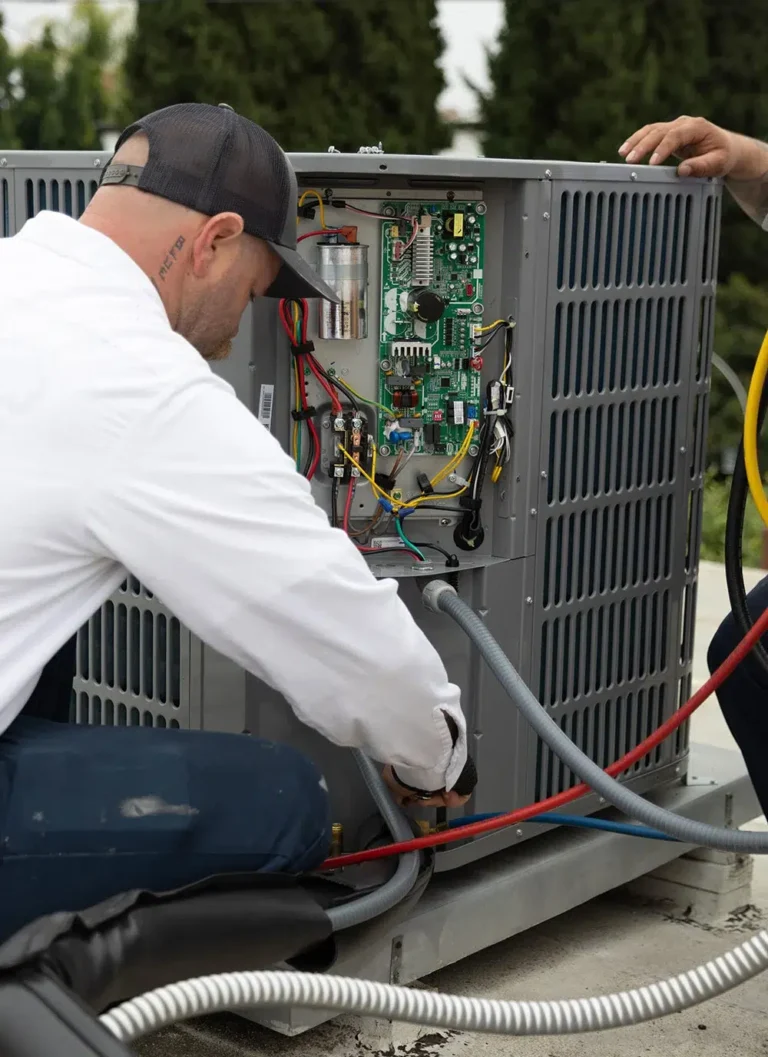
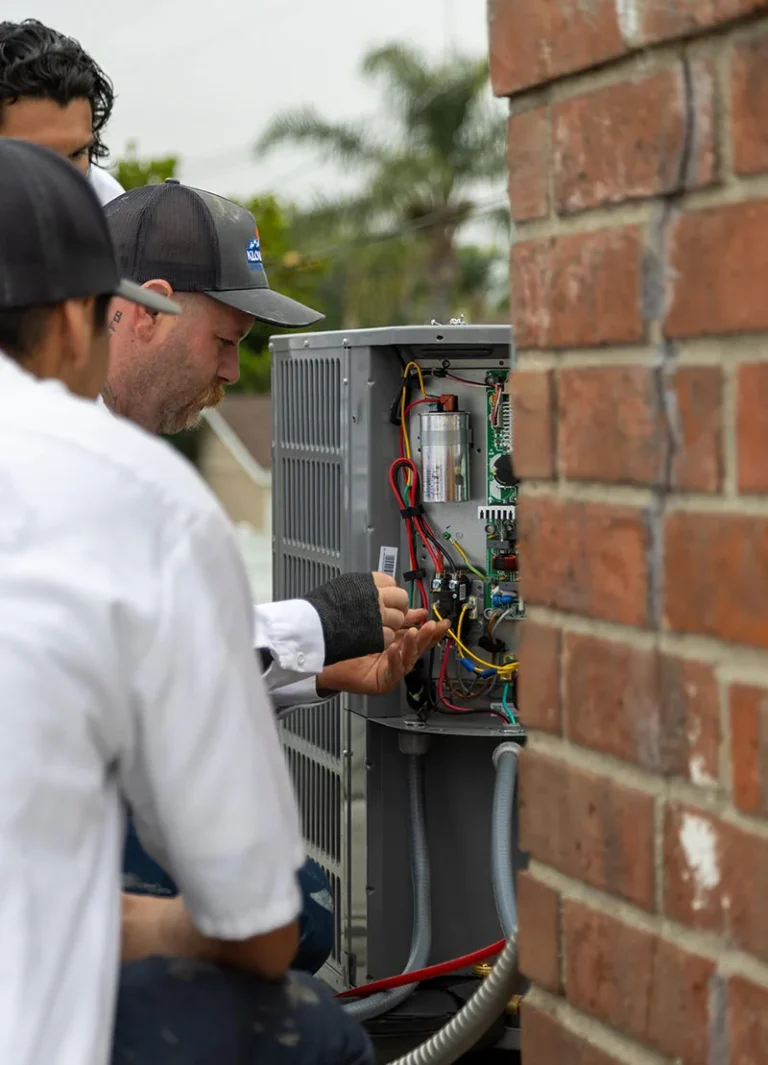
Seasonal checks of your heating systems are critical in avoiding system failure. When performed by a professional, these inspections can detect possible concerns before they escalate into larger and more complex problems, saving you time and money in the long run.
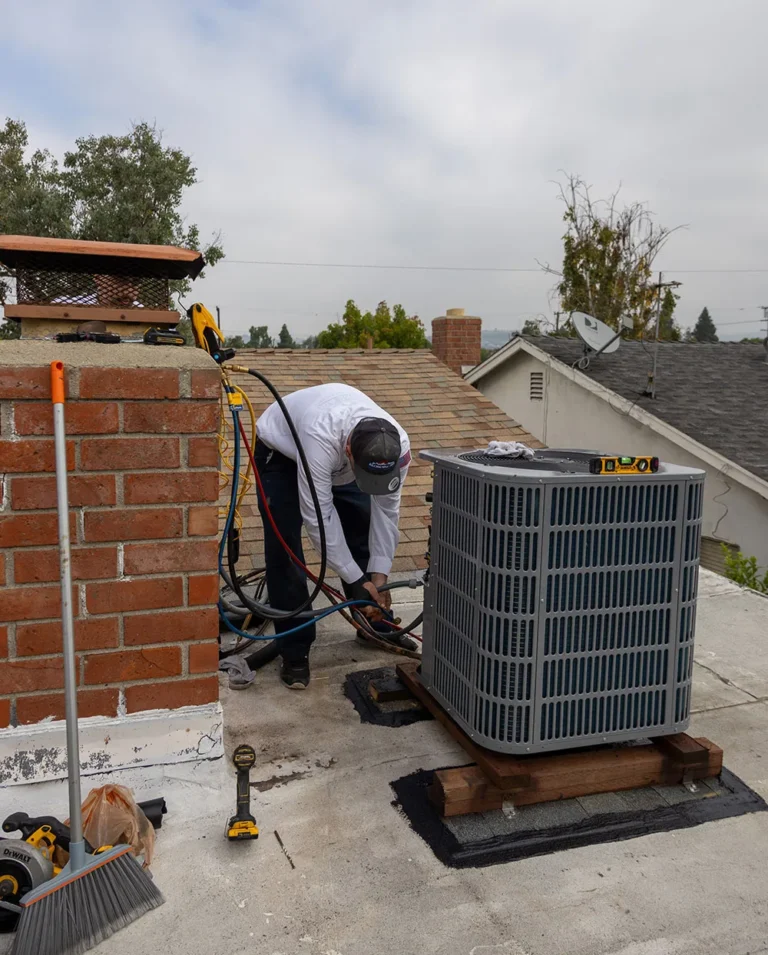
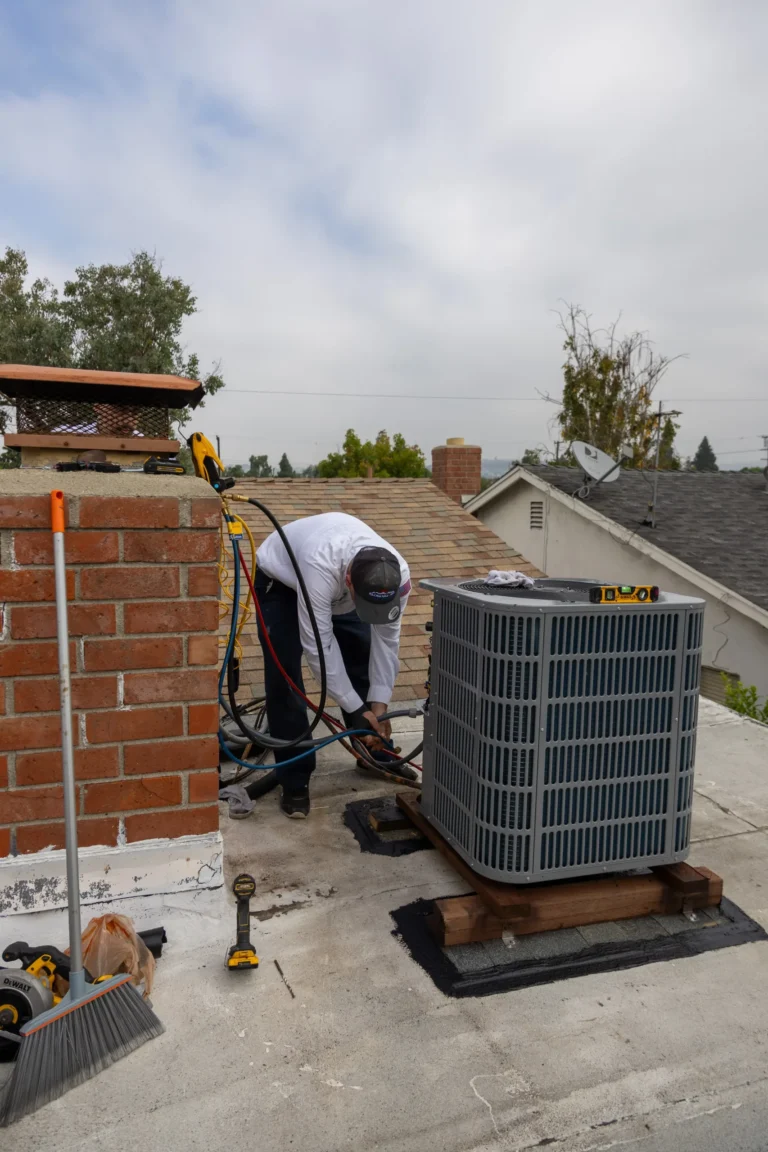
Regular maintenance of your outside unit is also necessary. It entails cleaning and inspecting for physical deterioration or wear and tear indicators. This guarantees that the system functions at peak efficiency and increases its longevity. Periodic cleaning minimizes the accumulation of dust and debris, which can impede efficiency and lead to premature failure.
2. Routine Filter Changes
Regular filter changes are an essential part of home heating service. They are critical for keeping your heater functioning smoothly and ensuring high indoor air quality. Filters are frequently clogged with dust, dirt, pollen, allergies, and other contaminants, reducing efficacy. Clogged filters will make your heater work harder to circulate air, leading to increased energy usage, higher utility bills, and wear and tear.
More importantly, dirty filters compromise the inner health of your home and aggravate or cause respiratory illnesses and allergies. Routine changes help preserve indoor air quality and household health while reducing load on the system, which could contribute to future breakdowns.
3. Cleaning the Heating System
Cleaning your heating system regularly can increase efficiency, save energy bills, and extend its life. Regular cleaning often includes inspecting and cleaning the heat exchangers, replacing filters, and removing dust and debris from the furnace, radiators, vents, grills, and baseboards.
4. Checking Thermostat Settings
Thermostats are essential for managing heating and regulating the temperature in your home. Checking your thermostat settings is critical to preserving home comfort and lowering energy costs. If your thermostats are set too high or too low, your heating system will work harder than necessary, increasing energy consumption, utility bills, and wear and tear.
Introduce smart thermostats into your home to better regulate the temperature. Smart thermostats enable you to control your thermostat settings remotely using your smartphone. They can also learn about your schedules and preferences, automatically modify your settings, and help you save energy.
The best way to maintain your HVAC system is with Klondike Air’s Gold Club.
Gold Club includes semi-annual tune ups to keep your system running cleanly & safely, priority service, no diagnostic fees, 10% off repairs and upgraded services throughout the year, & more!
Heating System Installation and Upgrades
1. Choosing the Right System
When installing your heating system, you must check that it suits your home and heating requirements. Installing a smaller or larger model might stress the system, resulting in frequent breakdowns and the need for repair and maintenance. Before purchasing a heater for your home, consult a professional heating consultant to acquire recommendations based on your needs, budget, and home size.
2. Professional Installation
DIY installation is the leading cause of heater problems. Installing your heater alone or with an unqualified hand can cause mistakes and problems. On the other hand, professional installation gives you the security that your heater is in experienced and knowledgeable hands. Professional heating contractors often have bonds and insurance to cover any issues that arise from their work.
3. Latest Trendy Upgrades
Some of the most recent trending upgrades for your heating system are:
- Smart home integration: Link your heating system to other smart home devices for a completely integrated approach.
- Eco-Friendly refrigerants: Modern heating systems use eco-friendly refrigerants, which are better for the environment.
- Programmable radiator valves: Install programmable radiator valves to provide better control over each radiator.
- Smart thermostats: Install smart thermostats to control your heating system remotely.
Conclusion
Regular heating system service is essential in extending the lifespan of your heater. When done by a professional heating contractor, you can add 5 to 10 years to the lifespan of your heater. Regular maintenance also helps reduce energy usage, utility bills, and accumulation of wear and tear, which can eventually lead to system breakdown. Heating maintenance is less costly than replacing your entire system, so contact Klondike Air heating experts for maintenance recommendations.