Summary:
Regular AC maintenance is essential for efficient cooling and heating, but most homeowners neglect the one crucial for home health and safety: AC vent cleaning. Dirty vents introduce dust, bacteria, and mold into the home, causing and aggravating respiratory illnesses and other health issues.
Dirty vents also affect energy efficiency, making your air conditioner work harder (consuming more energy) to push through and circulate processed air in your home. You can improve air vents through a step-by-step cleaning process that includes inspection, preparation, cleaning, sanitization, and testing.
If you notice too much dust or an inefficient operation of your AC unit, call a professional. Klondike Air experts are ready to resolve any AC inefficiency you experience.
Introduction
Living in Orange County and Costa Mesa means dealing with hot, dusty conditions. While many homeowners appreciate the need for regular AC maintenance to keep their homes cool, one critical part that is frequently forgotten is AC vent cleaning.
AC vents or ducts are routes that allow warm and cold air into your home, keeping it warm in the winter and cool in the summer. However, after prolonged use, dust, debris, mold, pollen, allergies, and other dangerous items can accumulate in these vents.
At Klondike Air, we understand the importance of cleaning your AC vents and how they affect home health and energy efficiency. This article will explore the connection between clean vents and energy efficiency, what to expect during air duct cleaning, when to call a professional, and the long-term benefits of deep AC cleaning.
Let’s begin.
How Dirty AC Vents Affect Air Quality
The following are ways dirty AC vents affect air quality:
1. Dust
Your AC vent is primarily responsible for transporting, distributing, and circulating processed air through your home. During this action, the vents accumulate dust, debris, cigarette smoke, pet dander, allergens, etc. If the ducts are not regularly cleaned, this dust will mix with the processed air and get into your home, increasing the amount of dust, reducing indoor air quality, and aggravating existing health conditions.
2. Bacteria
Just as dust can be found in your air vents, so can bacteria. Bacteria grows from leftover particles in your ducts, such as pet dander, food particles, rotten leaves, and more. Children are more susceptible to bacteria infections, so you should regularly clean your ducts for proper indoor air quality and family safety.
3. Mold
Mold grows in damp places, making your AC vents the perfect place. If you are in a humid climate or use your AC more than most, you must clean your ducts regularly to prevent mold growth. If AC vents are not clean, you and your family could be breathing in mold spores, which are unhealthy and can cause serious health problems.
The Connection Between Clean Vents and Energy Efficiency
Air vents are your home’s respiratory system, ensuring air circulates smoothly and efficiently throughout the building. However, your AC unit must work harder to push air through when these pathways become clogged with dust, pet dander, debris, pollens, etc. This decreases energy efficiency and increases wear and tear on your system. It not only shortens your HVAC system’s lifespan but also becomes a cost burden (energy and repair bills).
AC vent cleaning to remove dust, debris, and other particles affecting the smooth operation of your air conditioner can reduce energy consumption by more than 30%. According to research, even a 0.42-inch dust collection in your air ducts can reduce efficiency by up to 21%.
Therefore, cleaning AC vents regularly improves indoor air quality and increases the effectiveness of your air conditioning system, resulting in significant energy savings and increased equipment lifespan.
AC Vent Cleaning: A Step-by-Step Guide
1. Inspection
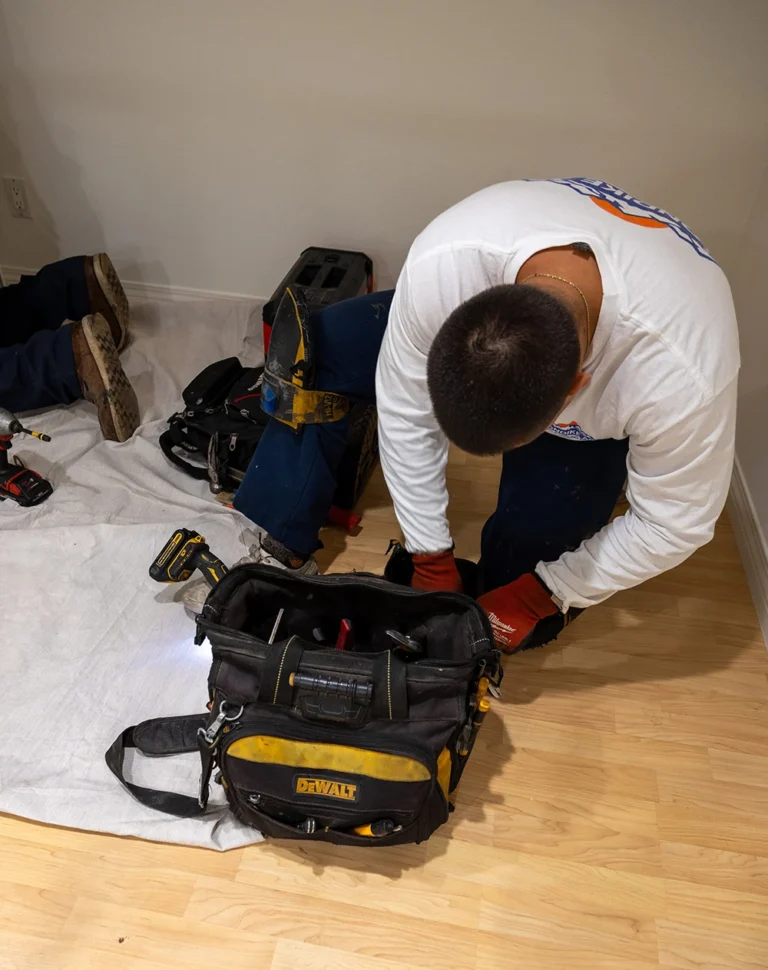
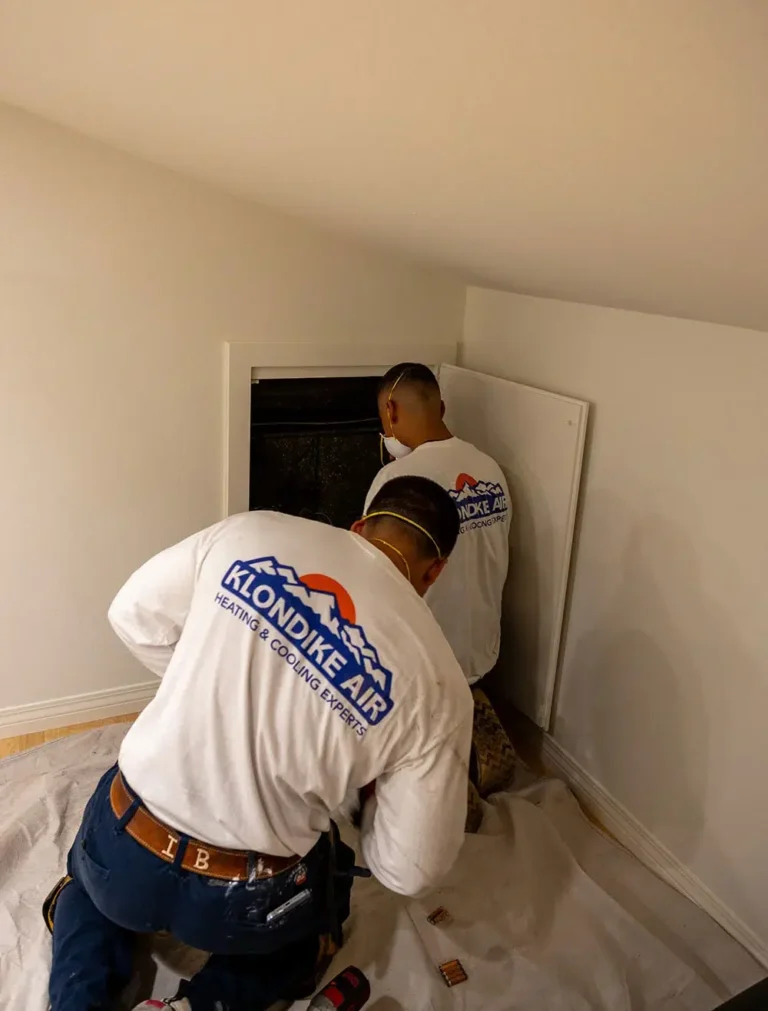
The typical AC vent cleaning starts with physically inspecting the duct pipes. Your technician will check for signs of contamination and buildup of dust, debris, mold, allergens, and other harmful substances. They will also inspect the duct pipes for signs of damage or leakage before the cleaning begins.
2. Preparation
To protect your home from contaminants and other harmful substances, the technician will block off the vents and registers to prevent damage to indoor air, pollutants infiltration, furniture, and appliances.
3. Cleaning
AC vent cleaning requires specialized equipment to remove all contaminants successfully. One common way to remove difficult buildup from duct walls is using a strong vacuum cleaner with a HEPA filter. The technician may also employ brushes, air whips, and pressurized air.
4. Cleaning of Other Connected Parts
The fans, coils, and other components of the air conditioning unit will also be cleaned to ensure that the entire system is free of dust and other contaminants that could impair its efficiency. Depending on the condition of the air filters, they can be cleaned or replaced.
5. Sanitization
Suppose bacteria, mold spores, smoke contamination, and other harmful organisms are detected after the cleaning. In that case, your technician will recommend a sanitizing solution to permanently remove the substances and return your air ducts to a clean and sterilized state.
6. Inspection and Testing
Your expert will conduct a final inspection and testing to ensure all hazardous organisms have been removed. They will also conduct extra tests to ensure air purity and measure airflow.
When to Call a Professional for Deep Cleaning
While regular duct cleaning is recommended every six months, some crucial symptoms indicate that it is time to hire a professional. They are:
- Visible dust and debris around vents and registers.
- Excessive amount of dust on surfaces and furnishings in your home.
- Unexplained respiratory issues or allergies among occupants.
- Unpleasant odor when your air conditioner is running.
- Rodent infestation of your duct pipes.
- Recent construction or renovation must have introduced dust and debris into the air vents.
- Mold growth in or near your duct pipes.
Long-Term Benefits of Regular AC Vent Cleaning
1. Improves Indoor Air Quality
Indoor air quality is the most critical aspect of AC cleaning because it is closely related to family health. Your air duct generates dust, debris, and other harmful substances with increased usage. If these substances are not removed and allowed to build up, they will enter your home and circulate with the good air, leading to significant respiratory issues.
Regular AC vent cleaning prevents harmful substances from building up in your air conditioner, improving air quality.
2. Improved Efficiency
When air vents are clogged with dirt and debris, the air conditioning unit must work harder to push through processed air. This increases energy consumption and shortens the life of your equipment due to increased wear and tear. Clean vents guarantee that your air conditioner runs well, saving you from costly repairs and high energy bills.
3. Reduces Allergens, Irritants, and Mold Growth
More than just dust, air vents provide a safe environment for the growth and accumulation of dangerous things such as bacteria, allergies, mold spores, etc. When your air conditioner is on, these pollutants spread throughout your home, creating allergic reactions and respiratory problems.
Deep AC cleaning removes all impurities and dangerous chemicals from the air ducts, keeping your house safe for young children, those with pre-existing health concerns, and your entire family.
Additional Tips for Keeping Your AC System Clean
1. Replace or Clean Your Filters Regularly
Replace your filters every six months or hire a certified HVAC specialist for deep cleaning. A clean air filter traps dust and other contaminants before they can enter your home.
2. Keep Your Living Space Clean
Regularly cleaning your home’s furniture and removing debris around the outside unit can help minimize the dust and debris in your home.
3. Ensure Proper Ventilation
Ensure good air circulation and sufficient airflow by opening windows and unblocking vents and registers.
Conclusion
AC vent cleaning is essential to the health and safety of your home and family. Dirty vents introduce dust, bacteria, and mold into your home, causing severe allergic reactions and health issues. However, with regular vent cleaning, you can eliminate these threats and improve the quality of your indoor air and the efficiency of your air conditioning unit. Contact Klondike Air today for a quote on AC maintenance and cleaning.