Summary:
- Seasonal HVAC service keeps your system efficient, reliable, and ready for seasonal temperature changes.
- Regular tune-ups reduce energy use by up to 15%, lowering monthly utility bills.
- Preventive care extends your system’s lifespan and delays costly replacements.
- Maintenance improves indoor air quality by reducing dust, allergens, and mold.
- Addressing small issues early prevents expensive breakdowns and protects your warranty.
Introduction
When the seasons change, your home temperature undergoes significant changes, making your HVAC system work harder to maintain a comfortable indoor environment. However, if you haven’t invested in some HVAC seasonal maintenance, the comfort might come at a higher cost. A study by the National Air Ducts Cleaners Association (NADCA) reports that clean HVAC systems can reduce energy consumption by 41% to 60%. A little attention at the right time can improve performance, save energy, and extend the lifespan of your system. This blog tells you what to expect from professional HVAC maintenance, the benefits, signs your system needs maintenance, and the long-term ROI of maintenance plans. Whether you’ve recently invested in a new air conditioner and want to protect that investment, or you’re simply looking for ways to boost the performance of your current system, this guide will show you how seasonal maintenance can make a lasting difference in your HVAC system in Newport Beach.
What is Seasonal HVAC Maintenance?
Seasonal HVAC maintenance is a scheduled, professional service designed to prepare your heating and cooling system for the demands of the upcoming season. Seasonal home HVAC maintenance typically occurs twice a year – once in spring for air conditioning and again in fall for heating.
Instead of waiting for problems to arise, this preventive maintenance addresses them before they impact your system’s performance at the time of year when they are most needed.
Key Benefits of Seasonal Maintenance
Investing in HVAC maintenance pays off in more ways than you realize. Beyond preventing sudden breakdowns, it also improves performance, saves money, and creates a healthier indoor environment.
Here’s how:
1. Improved energy efficiency
According to Energy Star, a clean HVAC system ensures proper airflow, which enhances indoor comfort. Airflow problems can reduce system efficiency by 15%.
Regular maintenance of your HVAC system’s filters, coils, fins, and refrigerant lines is crucial for optimal performance. Neglecting this can cause your system to work harder than usual, resulting in increased energy usage.
2. Extended equipment lifespan
Most HVAC systems start to lose their efficiency after 10 years of use, especially if they haven’t been adequately maintained. Regular tune-ups can add several years to your system’s lifespan, reducing the need for emergency HVAC services and preventing strains that can lead to a premature breakdown.
3. Lower utility bills
HVAC seasonal maintenance identifies and resolves minor issues that can affect the efficiency of your system before they escalate into major and more expensive problems. For example, proper airflow management, which includes cleaning and replacing air filters, can reduce energy use by 15%, resulting in a significant decrease in annual energy bills.
4. Enhanced indoor air quality
Your HVAC system does more than cool or heat your home. It also circulates conditioned air throughout your home. The Environmental Protection Agency notes that indoor air can be 2 to 5 times more polluted than outdoor air. During maintenance, HVAC contractors clean coils, replace filters, and clear drain lines, reducing allergens, dust, and even mold growth.
What Does a Professional Tune-Up Entail?
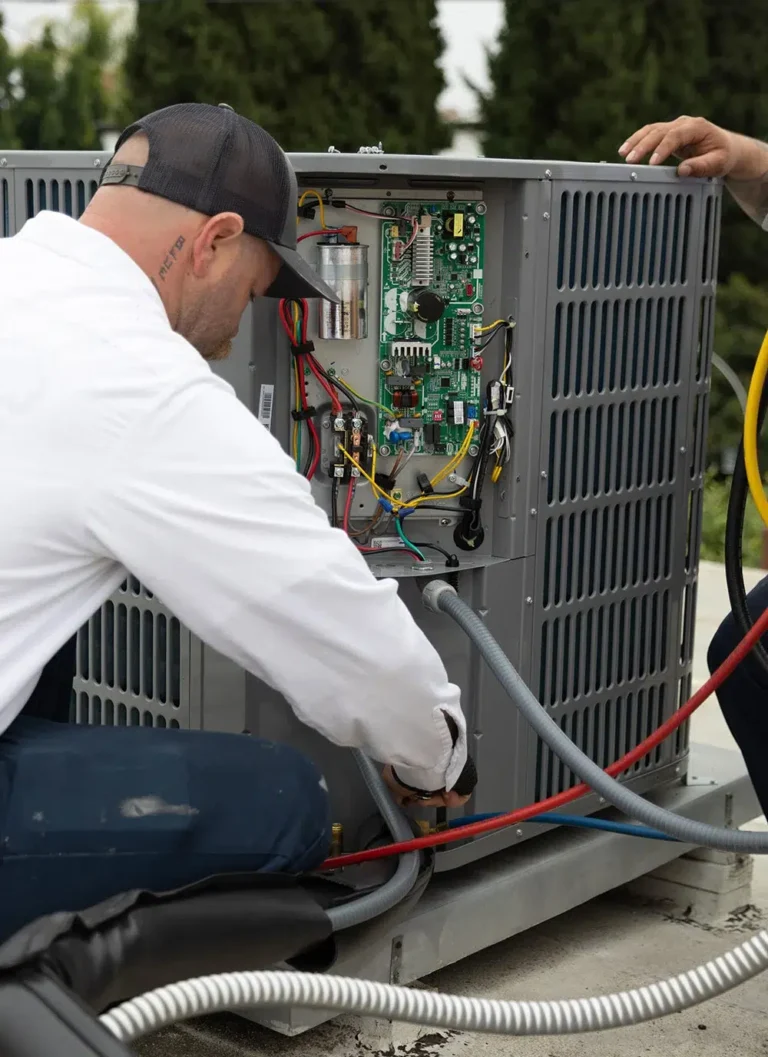
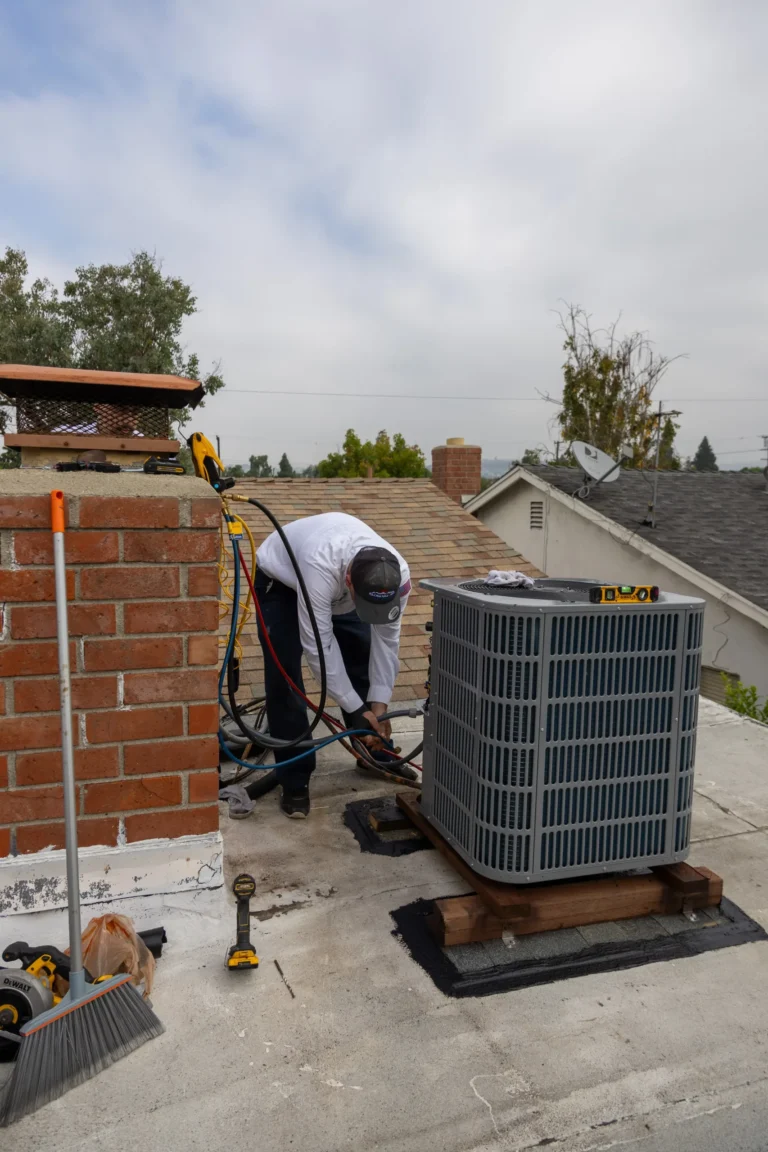
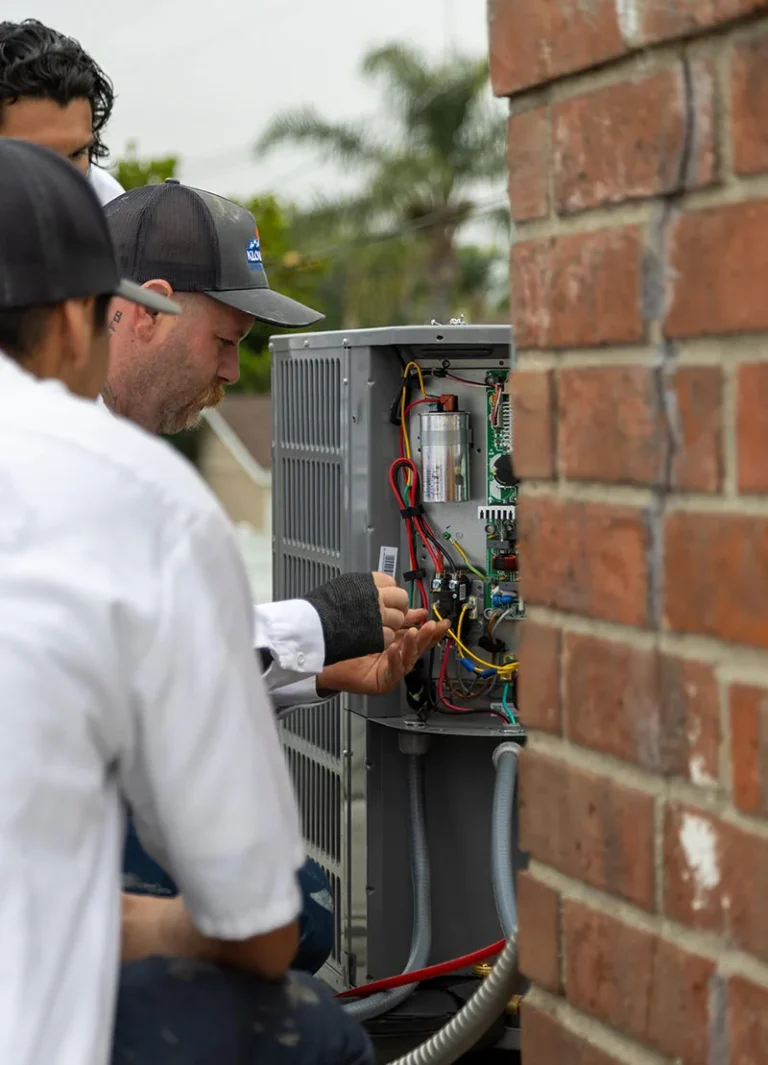
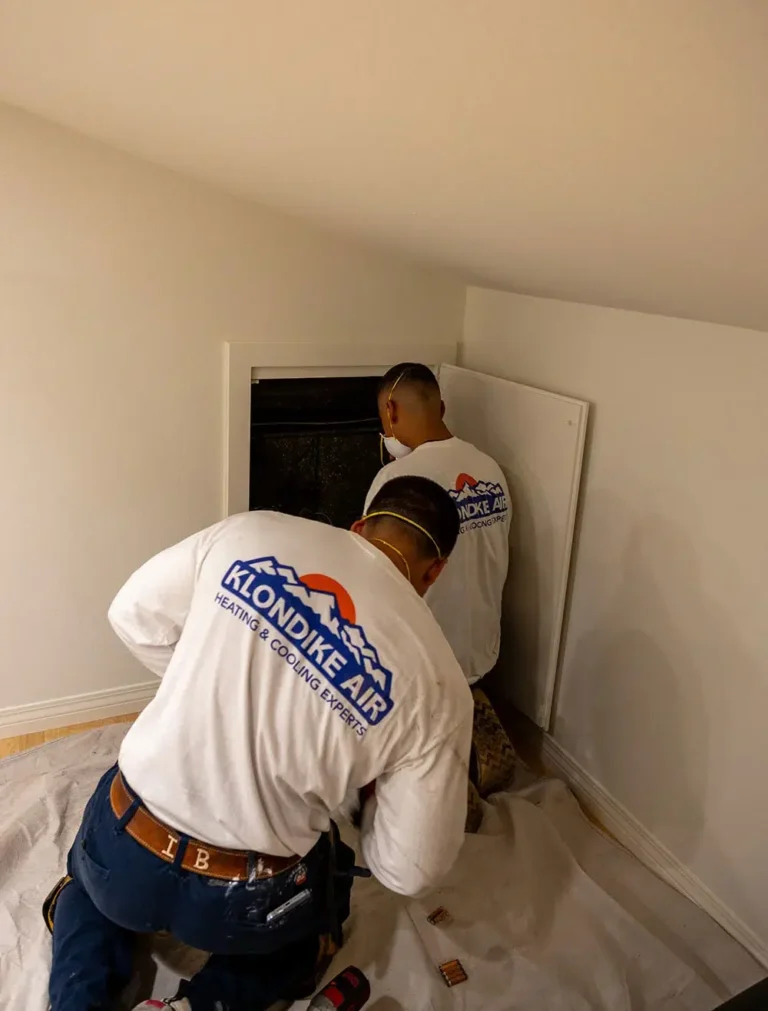
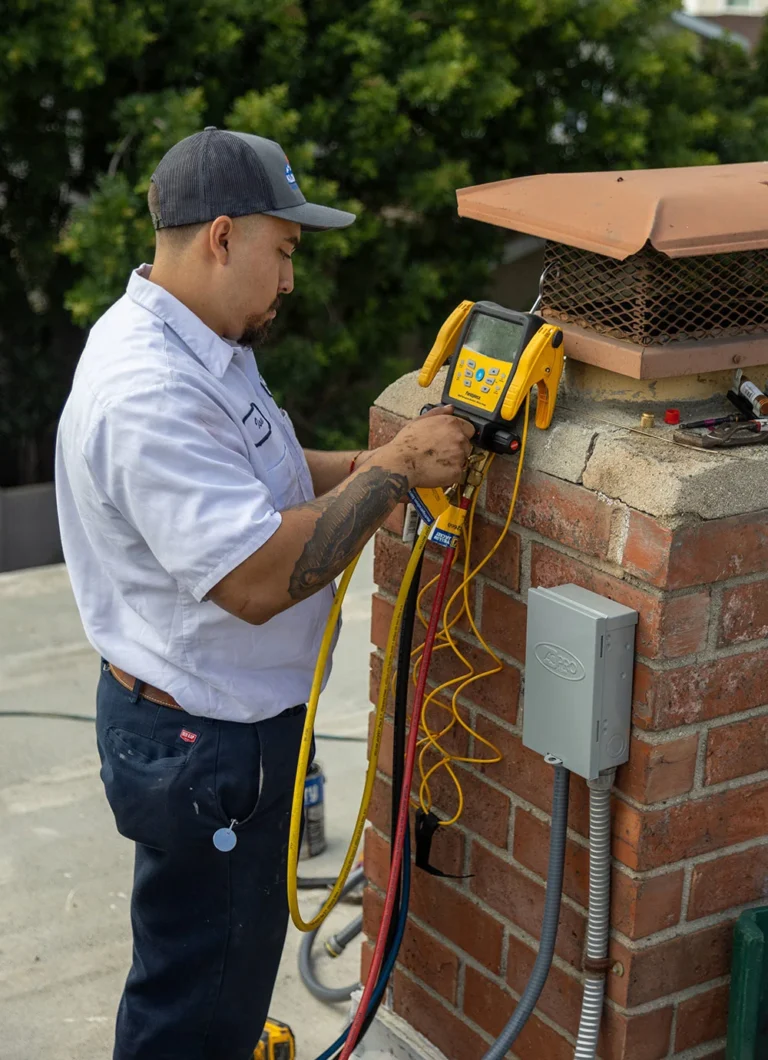
Professional seasonal HVAC maintenance is more than just a quick look at your system. It is a thorough inspection and tune-up designed to ensure your system is fully prepared for the demands of the cooling or heating season. A typical tune-up includes:
- Replacing filters: Energy Star recommends changing your air filters every 3 months or more frequently, depending on your environment and living conditions.
- Checking ductwork for leaks or blockages: Damaged or clogged ducts can reduce system performance, energy efficiency, and indoor comfort. If not promptly addressed, it will strain your system and lead to a breakdown in the middle of the season.
- Lubricating moving parts: Motors and fans are oiled to minimize wear.
- Calibrating or checking the thermostat: The thermostat is checked for accuracy and recalibrated if needed.
- Cleaning the evaporator and condenser coils: The coils are cleaned to ensure efficient heat transfer and optimal cooling performance.
- Inspecting and cleaning the condensate drain line: The drain line is cleared to prevent water damage, humidity issues, and mold growth.
- Checking and adjusting refrigerant levels: The technician ensures the refrigerant is at the correct level for efficient operation and checks for leaks.
- Inspecting and tightening electrical connections: All electrical components are examined for safety and reliability.
- Cleaning and measuring the blower motor’s amperage: The blower motor is cleaned, and its power draw is measured to ensure proper operation.
- Checking the capacitor: The capacitor is tested to make sure the motor starts and runs correctly.
- Checking airflow: The technician ensures that airflow is balanced and unobstructed throughout the system.
- Performance testing: All safety switches and system controls are thoroughly tested to ensure they function correctly.
Signs Your HVAC Needs Seasonal Maintenance
It does not matter if your system is running fine; it may also be giving signs of impending issues. Ignoring these signs can have costly consequences, including expensive repairs, costly bills, and even system breakdown.
Here are the most common signs that your system needs HVAC seasonal maintenance:
Uneven Even Heating or Cooling
Airflow or ductwork issues can cause uneven heating or cooling in your home. Pay attention to the temperature in each room, especially if some rooms feel warm, while others stay chilly.
Higher Energy Bills
A sudden increase in energy bills without a corresponding increase in cooling or heating needs is also a symbol of HVAC malfunction. It indicates that your system is struggling to meet your comfort needs and should be inspected for improved efficiency.
Strange Noises or Odors
Your HVAC system is designed to operate as quietly as possible. However, if you notice sounds from the indoor unit, it’s a sign of internal damage that requires urgent repairs. Strange smells can also be a sign of mold growth, bacterial infestation, or worse, gas leaks.
Weak Airflow
Poor airflow through the vents is often a sign of clogged filters, blocked ducts, or a struggling blower motor.
Frequent Cycling
If your system is turning on and off more frequently than usual, it can be a sign of thermostat malfunction, worn components, or overheating. You should have it checked out to avoid more serious problems.
Frequent Repairs
Calling a technician several times for the same problem or in quick succession is a sign of a more significant issue. This typically occurs when you have neglected seasonal HVAC maintenance for an extended period.
How Often Should You Schedule HVAC Maintenance?
The golden rule for HVAC seasonal maintenance is to do it twice a year. Once before the cooling starts and again before the heating season. This timing ensures that your system is ready for the heavy demand that accompanies seasonal changes. Skipping this maintenance often means higher energy and repair bills, as well as mid-season HVAC breakdowns.
Long-Term ROI of Preventive Maintenance Plans
Most homeowners shun preventative maintenance plans because they view them as an unnecessary expense. First, preventative maintenance is neither a cost nor unnecessary. It is an investment that pays for itself in lower operating costs, reduced repair and energy bills, and an extended equipment lifespan.
Some of the long-term ROI of preventative maintenance plans include:
- Lower operating and energy bills: Preventive maintenance plans keep your system in good condition, reduce heating bills, and ensure energy efficiency.
- Fewer emergency repairs: Regular maintenance identifies and resolves minor issues before they can escalate, reducing the need for expensive emergency repairs.
- Longer equipment lifespan: HVAC equipment is a costly investment. Proper maintenance helps ensure that this equipment lasts longer and functions correctly. This eliminates the need and cost of obtaining another one before its expiry date.
- Better indoor air quality and comfort: Preventive maintenance helps ensure that your system works correctly, enhancing indoor air quality and electrical safety. This reduces the risks of air pollutants and their associated health challenges, such as skin irritation, allergies, and headaches.
- Warranty compliance: Most HVAC manufacturers require proof of regular maintenance to maintain warranty validity. Staying on schedule ensures that if a significant repair or replacement is needed, the manufacturer covers the cost, saving you from unexpected expenses.
Conclusion
Your HVAC system is one of the most significant investments in your home. Without proper care, it can lose its efficiency, drive up your energy bills, and break down when you need it most. By investing in HVAC seasonal maintenance, you’re not only preventing problems but also ensuring optimal performance. You’re also saving money, improving indoor air quality, and extending the lifespan of your equipment.
An energy-efficient HVAC system can cut energy consumption by as much as 15%, representing substantial returns on your annual maintenance plan. So, whether your system is brand new or decades old, scheduling professional tune-ups is one of the best decisions you can make for your HVAC system in Newport Beach.