Summary:
There are several home heating systems, but not all are suitable for your needs. Some options available for your home are furnaces, heat pumps, boilers, radiant heating systems, and baseboard heaters.
Before choosing a heating system for your home, you should consider the climate, home size, insulation, budget, and energy efficiency. All these factors will give you a range to choose from.
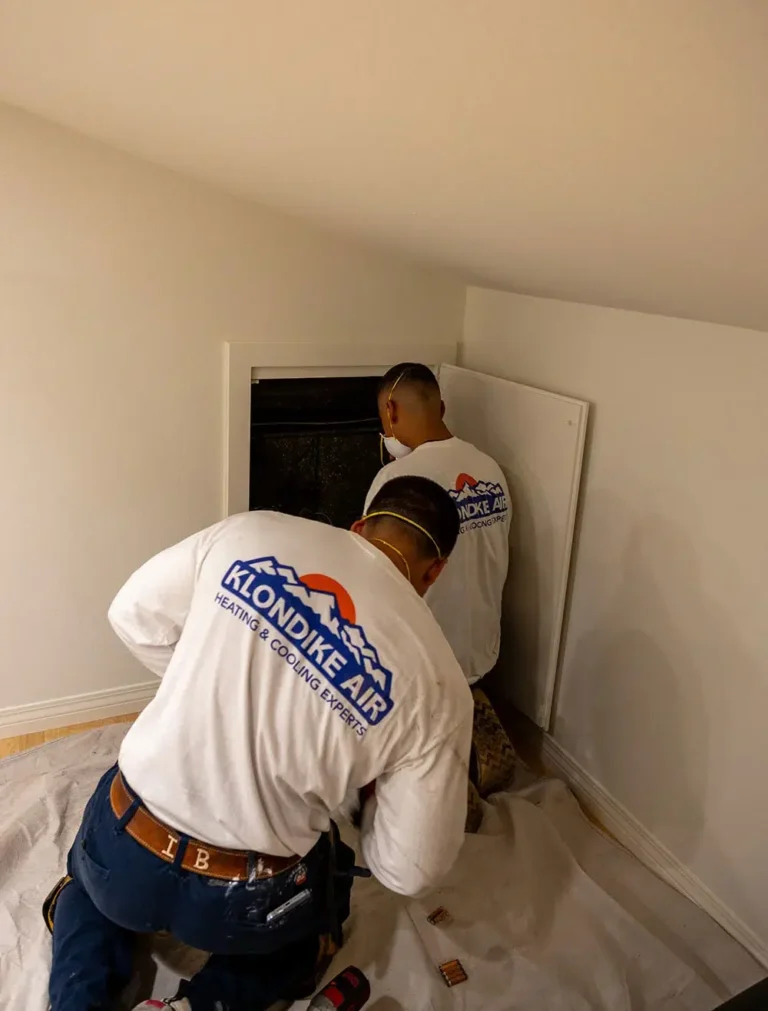
Another strategy for choosing the best heater is to consult a reliable and professional HVAC company like Klondike Air. Klondike Air is certified and licensed, insured, and bonded across all brands.
Introduction
A reliable home heating system makes all the difference in the cold months of winter, especially the ones usually experienced in Orange County. However, with various types of home heating systems in the market, homeowners must be instructive when choosing.
Klondike Air, a heating contractor, wants to help you make the right choice when buying a home heater. This article will examine the various types of heating systems available, their advantages and limitations, and factors you should consider before buying them.
Let’s begin.
Types of Home Heating Systems
There are different heating systems, and each home heater has advantages and limitations. You have to consider the size of your home, budget, and environment before choosing a heater for your home. Let’s take a look at the options you have available:
1. Furnaces
Furnaces or forced-air furnaces heat the home through ducts and vents. This type of heater is the most popular in homes. The heat is generated by burning fuel (natural gas, propane, or oil). Some homes also use electricity as fuel for heat generation.
The pros of using forced-air furnaces are:
- The forced-air system can be combined with a cooling system to cool in the summer.
- It requires less maintenance compared to other heating systems.
- It is more affordable due to inexpensive fuel costs and improved energy efficiency.
The limitations of using forced-air furnaces are:
- It requires the installation of extensive duct work.
- It can be ineffective due to heating leaking out of holes or tears in ducts.
- It can carry dust and pollen into your home if the filters are not regularly replaced.
- Gas furnaces also pose a risk of fire, explosions, and carbon monoxide poisoning.
2. Heat Pumps
Heat pumps bring air from outside your home and pass it through a network of heating coils, condensers, and filters before pumping it into your home. This type of heating system can collect heat from the air, ground, or water, making it less dependent on electricity than other types of home heating systems.
Additionally, heat pumps are two-way systems. While their primary function is to collect heat in the summer, these pumps can also work in reverse in the winter, making them efficient for most homes. However, they are only ideal for moderate climates.
The advantages of using heat pumps are:
- They are cheaper to run and energy-efficient.
- They can work both as a heating and cooling system.
- It does not require ductwork.
- It does not burn fossil fuels.
The limitations of heat pumps are:
- It has a higher upfront installation cost.
- It does not deliver enough heat in cold climates.
3. Boilers
Boilers function as their name implies – they heat water in a central boiler using propane, natural gas, fuel oil, or electricity. The heat generated by the boiler is then passed through a network of pipes and distributed by radiators placed in your home.
When the hot air displaces the cold air, the cold water returns to the central boiling unit and is reheated for distribution. This system is an efficient option that is common in extremely cold climates.
The advantages of using the boiler heating option are:
- Boilers do not dry out the air, unlike some heating options.
- It allows you to control heat distribution in your home.
- These home heating systems require little maintenance because they don’t use filters.
- They don’t move dust or allergens through the air.
The disadvantages of using boilers include:
- Your home will require a separate cooling system for use in the summer.
- The pipes may leak water.
- Radiators aren’t visually appealing, which may ruin your home decor.
4. Radiant Heating Systems
The radiant system heats your home through pipes passed under your floor. The heat is generated from hot water heated in a boiler using propane, natural gas, fuel oil, or electricity, which is then sent through the pipes to heat your home from the ground up.
Some radiant systems use electric wires instead of pipes, but these systems only warm your feet instead of the whole house. They are commonly used in bathrooms. Radiant heating provides consistent heating throughout your home and eliminates cold spots.
The following are the benefits of the radiant heating system:
- It provides even heating throughout your home.
- It is completely silent and works efficiently.
- It does not distribute allergens and dust into your home.
The following are the limitations of radiant heating system:
- High installation costs.
- It takes time to heat your home.
- Maintenance can be a problem and very expensive due to its underfloor piping system.
5. Baseboard Heaters
Baseboard users use a central boiling system to heat water, which is then circulated through pipes to baseboard heating units mounted on walls. The baseboard radiates heat through steel-plated fins.
The hot water baseboard boilers can be powered by natural gas, fuel oil, propane, gas, electricity, or solar energy. They offer flexible and efficient energy options, so you can choose any that fits your home.
There are many benefits to using baseboard heaters. They are:
- This heating system is energy-efficient.
- It offers precise temperature control mechanisms.
- The heating system does not make noise.
You should also be wary of the limitations of using this heating system, like:
- This heating system cannot be combined with a cooling system, so you must install a separate air conditioning unit.
- If the boiler stops working, the distribution pipes may freeze, leading to significant repair or replacement costs.
Choosing the Right Heating System for Your Home
Choosing a home heating system for your home is not a decision that should be taken lightly. It is a decision that will affect your energy bills and have a lasting impact on your comfort. So, with many options available, you must take your time to consider these factors:
1.Climate
Climate is the most crucial factor to consider when choosing a heating system for your home. If winters are particularly harsh, you need a powerful heating system that is also energy-efficient, allowing you to save on energy bills.
For instance, different types of home heating systems work for people living in Orange County, compared to if you were living in Texas.
2. Home Size
When choosing a heating system, consider the size of your home. Small homes need small, efficient systems, while large homes need powerful, large types.
3. Insulation
Evaluating your home’s insulation is crucial when choosing a heating system that suits your home. A well-insulated home retains heat better and reduces the workload on your heat, thereby also reducing energy bills.
If your home is not properly insulated, you might need a more powerful heater to compensate for the heat loss and ensure your home is well-heated.
4. Budget
When choosing a heating system for your home, you should select the most cost-effective option. This consideration should cover the upfront cost of installation and subsequent maintenance costs. Choose the option that gives you the best service while also allowing you to save money.
5. Importance of Energy Efficiency and Environmental Impact
Energy efficiency ratings provide valuable insights into how effective a heating system is. You should pay attention to these ratings as they can significantly impact your long-term operating costs.
The Annual Fuel Utilization Efficiency (AFUE) tells you the percentage of fuel converted to heat, which can help you decide on gas-powered heaters. A higher rating signifies better efficiency and lower operating costs.
You should also consider each heater option’s environmental impact and carbon emission. Choosing a carbon-efficient heater will contribute to a healthier home and greener environment.
Why Hire a Professional Heating Contractor?
When considering installing and maintaining your heating system, hiring a professional heating contractor must be at the top of your list. An experienced heating specialist is the best and least expensive way to ensure your heater runs safely and efficiently every summer.
Here are some of the reasons you should hire a specialist:
1. Expertise in System Selection and Installation
When it comes to system selection and installation, a professional contractor will understand the needs and specifications that better fit your home. He will also be able to make recommendations based on your budget size.
2. Ensuring Proper Sizing and Efficiency
When choosing a heating system, consider your home size. This helps determine which model and size of heater to choose. A contractor has the experience and expertise to recommend heaters based on your home design, insulation, and efficiency.
3. Safety Considerations
It is better to hire a heating specialist when installing a new heater. Most heating components involve electrical wires, natural gas, propane, fuel oil, and other elements that can cause fire or explosion. A wrong step might lead to unfortunate events.
Conclusion
There are different types of home heating systems on the market, but not all of them are suitable for your use. Klondike Air stands ready to offer assistance in Orange County and its neighboring cities. We are currently offering $250 off a replacement furnace or AC unit installation. Contact Klondike Air now for professional home heating systems installation.