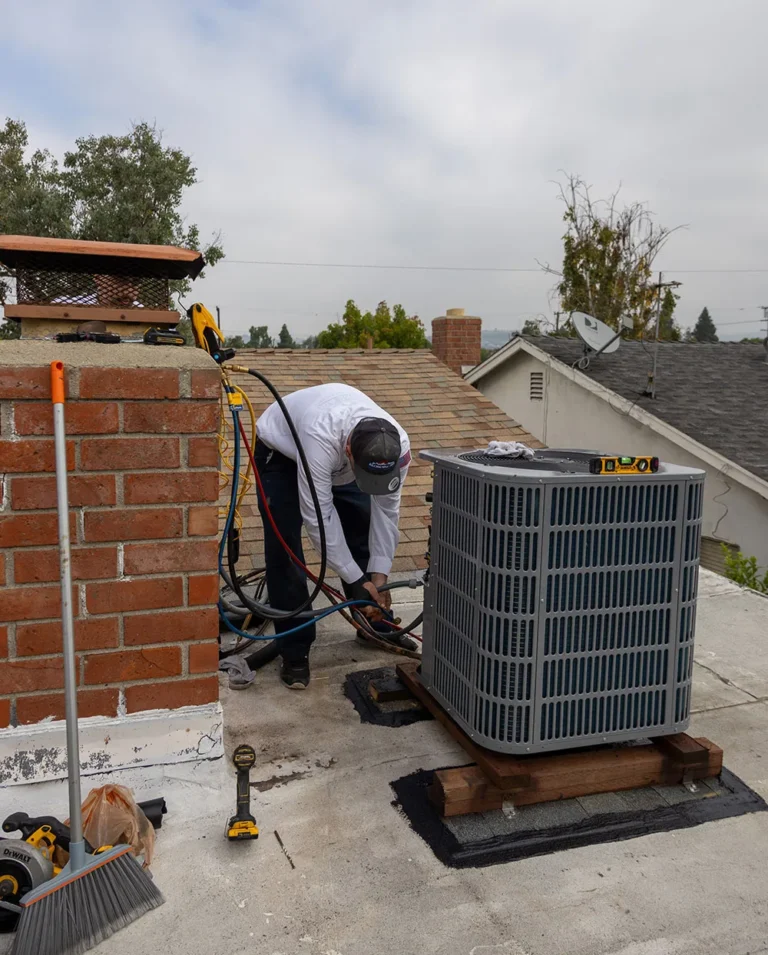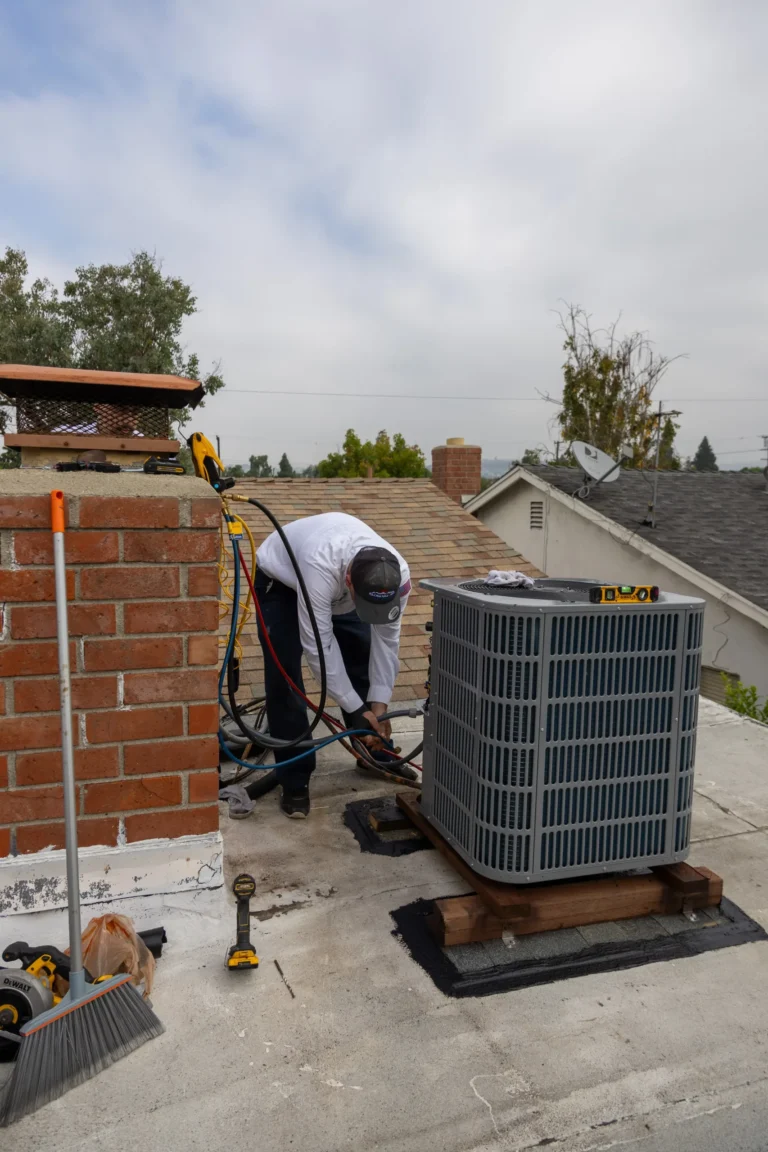
We all know that our electronics can be damaged by power surges. That’s why we use surge protectors for important tech like our computers, laptops, and TVs. Your HVAC system is a whole lot more expensive than that tech, and yet most homes do not have an HVAC surge protector!
While rare, extreme weather like the earthquakes and lightning storms we have in Orange County can cause damage, and you need to know your HVAC system is protected. It isn’t as simple as picking up a surge protector from your local hardware store. You need to know the joule rating and clamp voltage to pick the right surge protector to keep your HVAC unit safe.
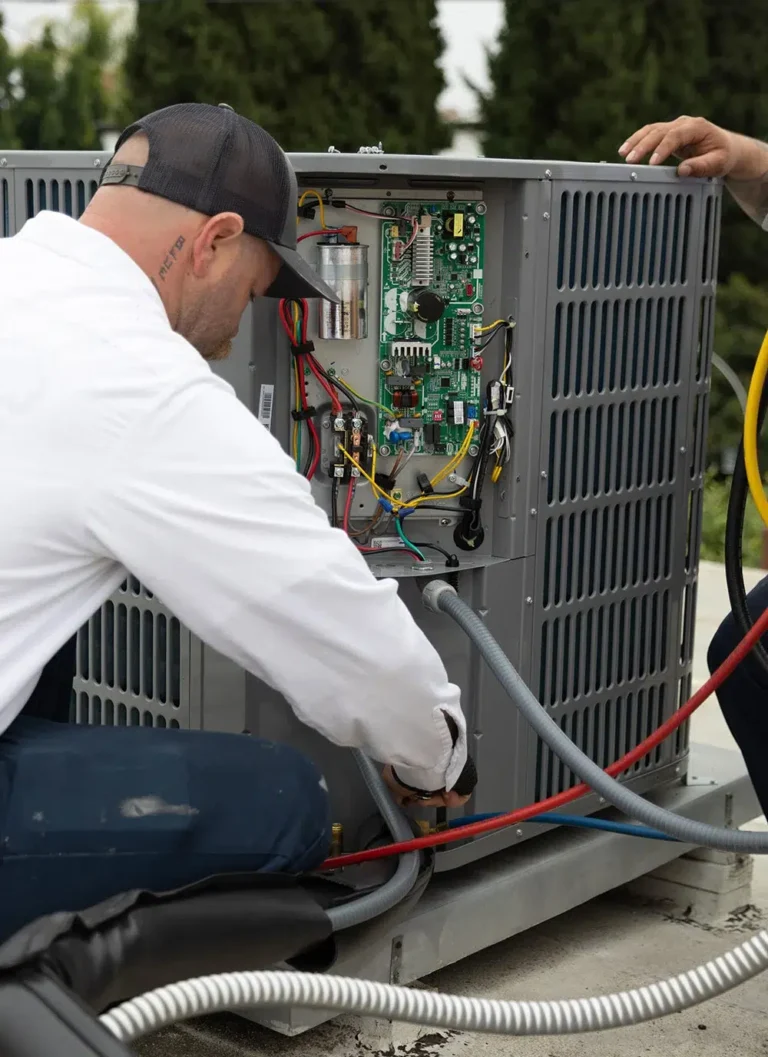
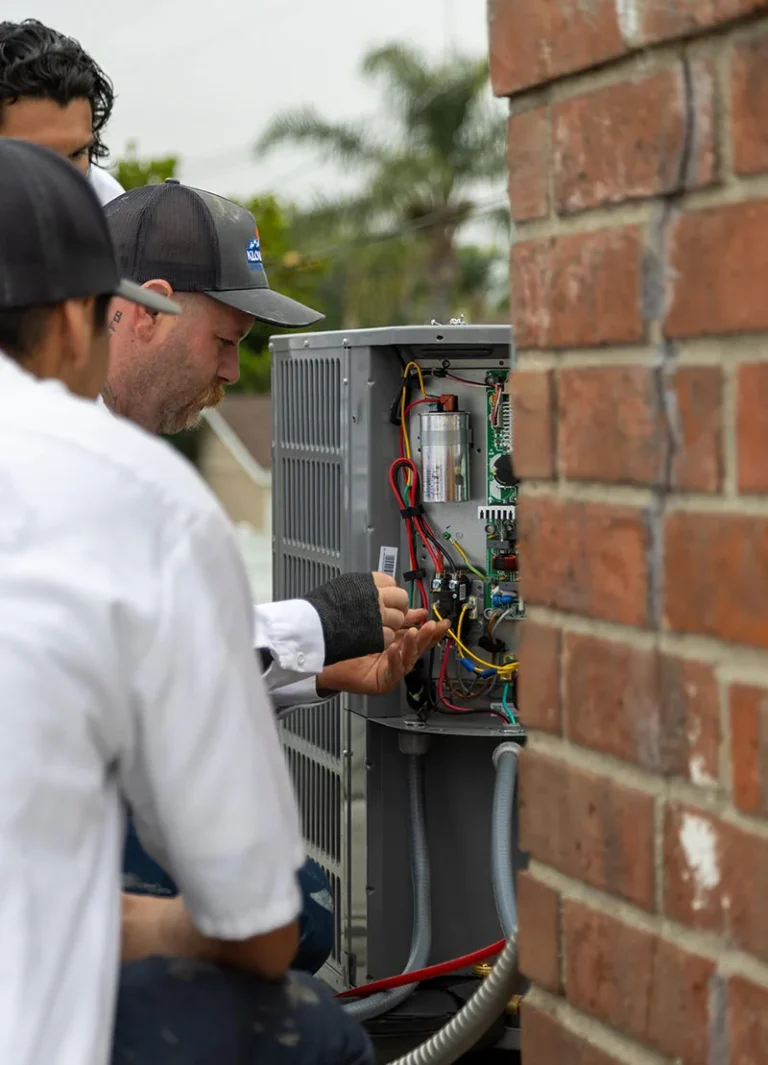
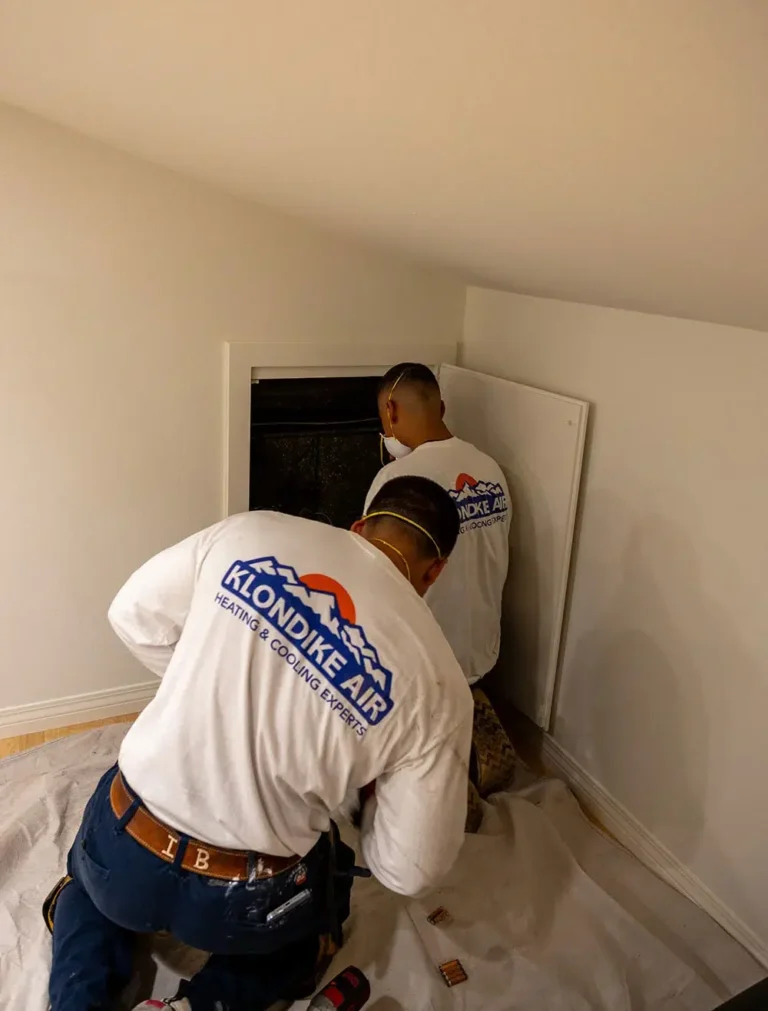
Klondike Air will ensure your HVAC surge protector is properly installed to prevent electrical shock and discharge the excess electricity safely.
This article dives into what HVAC surge protectors are, why all homes in Orange County need one, and how they protect your expensive HVAC systems.
What is an HVAC Surge Protector?
This simple gadget protects your HVAC unit from power surges caused by storms, power outages, and other extreme weather we all experience in Orange County. This means your HVAC system will get the correct voltage for continued optimal operation.
Protect Your HVAC System
HVAC units contain delicate electrical components that can be damaged by a power surge, such as compressor pumps, fans, blowers, thermostats, and electrical control systems.
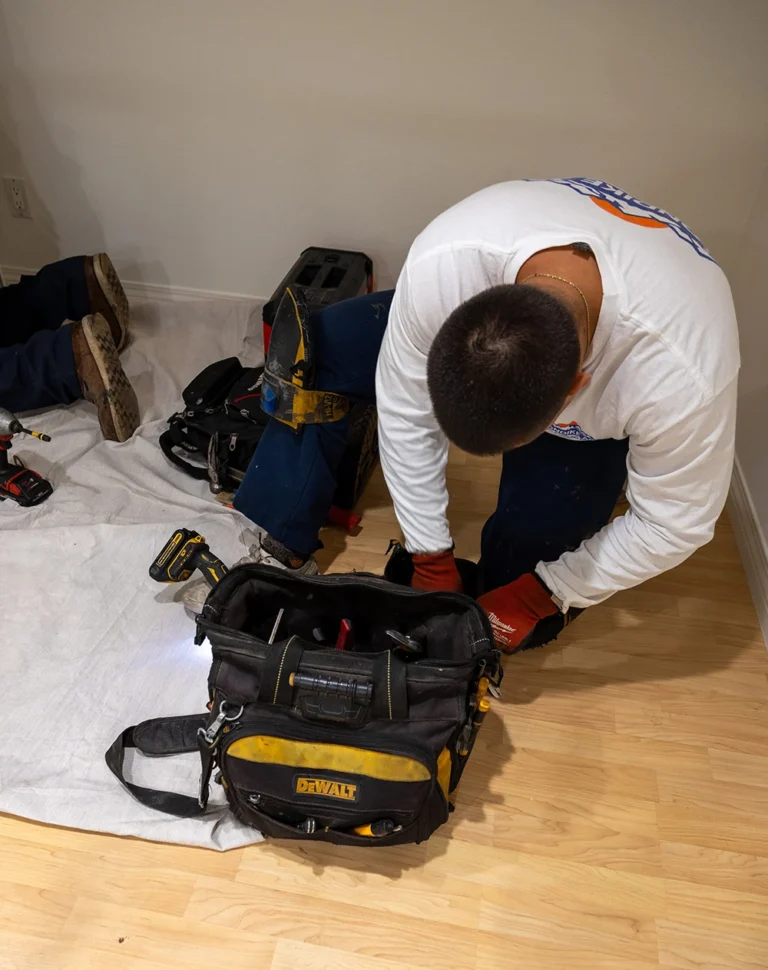
You shouldn’t have to stress about your HVAC system while dealing with power outages, storms, or other electrical issues. When you hire Klondike Air, we will pick the right HVAC surge protector for your HVAC unit and send our experienced technicians to install it.
How HVAC Surge Protectors Work
An HVAC surge protector is installed between your HVAC system and your main power. If there is too much power going to your HVAC system, the surge protector diverts the electricity into a grounding wire. This directs the electricity into the ground, where it can disperse without damaging your HVAC system.
In the case of extreme conditions like lightning storms, the surge protector will sever its connection with your HVAC unit and take the full brunt of the power surge. This will ensure your HVAC unit’s delicate components remain intact.
During a power outage, you can rest assured that power surges will not damage your HVAC system while the electrical lines are being repaired.
Common Causes of Electrical Surges
There are many different possible causes of electrical surges. Even minor power surges can cause additional wear and tear on your HVAC system, leading to frequent maintenance or replacement of certain delicate components.
1. Power outages and lightning strikes
Have you noticed that when a power line is knocked down by wind storms or a car accident, the power flickers, or the lights get brighter before going out? That is a power surge. When lightning strikes power lines and power poles, it causes a massive power surge that can damage anything connected to the grid nearby.
2. Improper wiring and circuit overload
Extreme weather isn’t the only issue that can cause power surges. If you have an old home with wiring that isn’t up to code, it can cause issues when you add modern appliances. Circuits can overload, causing damage to all of your tech, including your HVAC system.
3. External factors like utility grid issues
Your electricity can be affected by a number of different grid issues, from transformers to high usage. Even minor surges can cause additional wear and tear on your technology.
How To Choose the Right Surge Protector
Choosing the right surge protector for your HVAC unit is just as important as getting one in the first place. Klondike Air has over 35 years of experience in the HVAC industry in Orange County. Our knowledgeable technicians will help you pick out the right surge protector for your HVAC system and ensure it is installed safely.
Joule Rating
You need to get a surge protector that can handle the voltage requirements of your specific HVAC system. Each surge protector has a “joule rating,” indicating the upper end of the power it can safely provide. You want to choose a surge protector that can handle the consistent power usage your HVAC system requires to operate.
Clamping Voltage
This is the voltage where the surge protector diverts electricity away from your HVAC system. The lower the clamping voltage, the better protection you have, but you need to make sure it isn’t too close to your HVAC system’s regular power usage.
Reputable Brand
You can look online for reviews, or you can contact one of our knowledgeable staff members to hear our recommendations based on our extensive experience.
Protect Your Home with An HVAC Surge Protector
Don’t wait until it is too late and you are left without a running HVAC system in the middle of the summer. Avoid expensive repairs and replacements by contacting Klondike Air to install your HVAC surge protector.
You can breathe easy knowing that your HVAC system is well protected with Klondike Air’s Gold Club. For just $189 a year, you’ll receive two service calls, priority service, and 10% off repairs!
Call us today at (714) 979-2070 to schedule your service call.